SK Hynix delivered on third-quarter results - but the outlook is what really mattered to Wall Street and the AI trade
South Korea memory-chip giant says supply constraints will last through 2030.
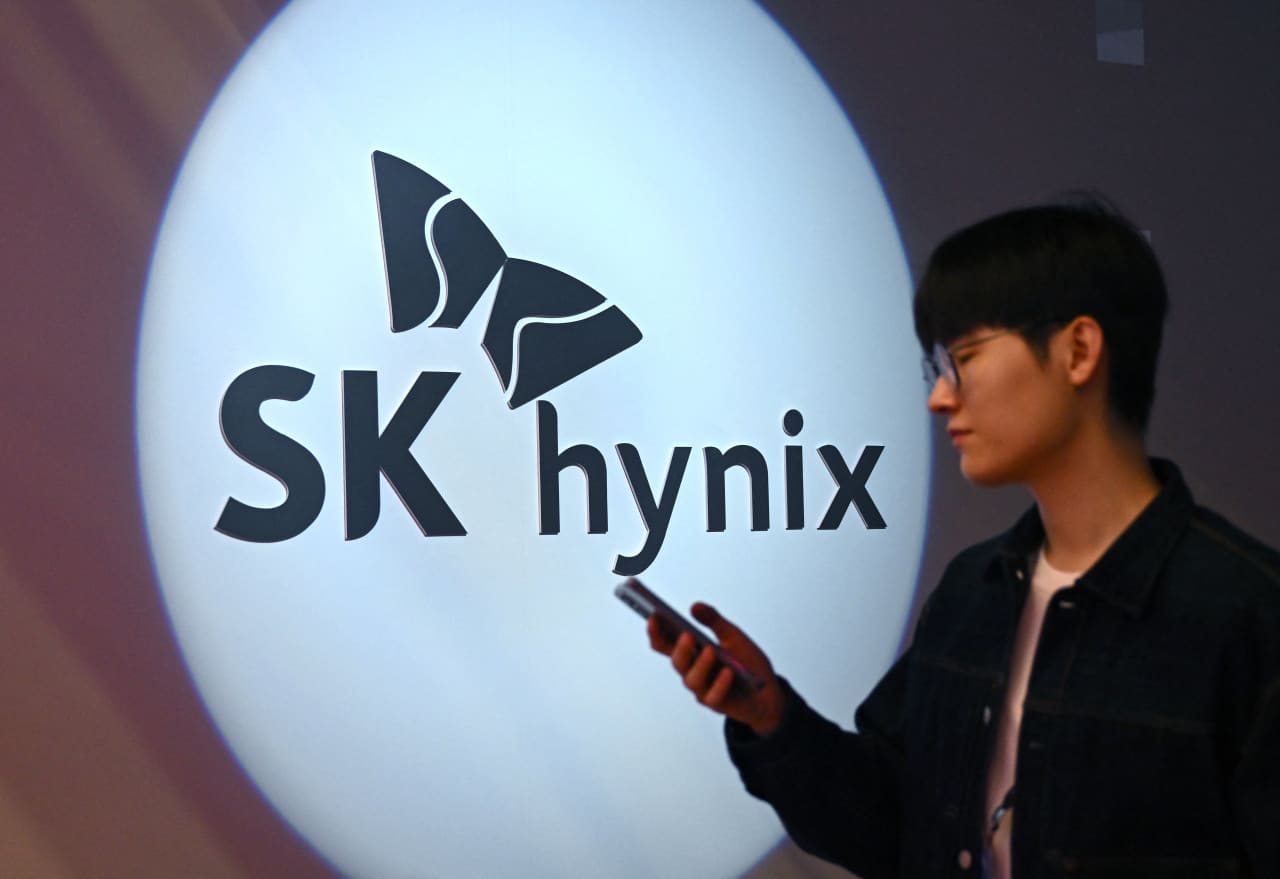
SK Hynix reported a robust third‑quarter performance that, by all accounts, met Wall Street’s expectations. The South Korean memory‑chip maker posted healthy earnings and a solid revenue base, buoyed by sustained demand for DRAM and NAND flash from both consumer and data‑center markets. Investors took note of the company's incremental gains, particularly in its high‑density products that are key to the next wave of chipscapes.
However, as the company detailed in its earnings release, the headline figures are only part of the story. The board underscored a long‑term supply bottleneck that the firm forecasts to persist through 2030. The constraints arise from the capital‑intensive nature of process scaling and the lag between technology upgrades and plant build‑out, coupled with the cyclical demand shifts associated with new AI workloads. This unplanned scarcity matters because memory chip prices have historically reacted strongly to supply dynamics, and the firm’s long‑haul capacity plans are heavily capital‑dependent.
The backdrop to SK Hynix’s supply assertion is the burgeoning AI market, which is reshaping demand for storage. Neural‑network training and inference workloads require massive data throughputs, and the proportion of workloads that can benefit from high‑bandwidth DRAM is growing. When the memory market faces a supply crunch, as the company forecasts, prices are likely to stay elevated, benefiting margins. Moreover, the ‘supply‑constrained’ narrative reinforces SK Hynix’s bargaining position with OEMs for premium SKUs and pricing power.
On the upside, the company highlighted its efforts to mitigate supply skews, chief among them its continued investment in 3D‑stacked technology and the expansion of its 1‑Gbit DDR5 line. By ramping up production of high‑end modules, SK Hynix hopes to capture a larger share of the premium product space that the AI boom is creating. This focus on differentiated, high‑margin products aligns with the sector’s restive shift toward portfolio diversification, moving away from the low‑margin commodity segment that dominated last year.
Market watchers will keep a close eye on the company’s capital‑expenditure pipeline and the pace of its fab expansion, as any delays could confirm the 2030‑end supply constraint that CEO and CFO have warned about. Trade dynamics in South Korea and the broader geopolitical environment also remain critical, given the country’s reliance on global supply chains and the strategic importance of memory in national security considerations. The company’s annual guidance, which reflects a steady growth trajectory with modest price expectations, sets the stage for a cautious but optimistic investor outlook.
In sum, while SK Hynix’s third‑quarter results affirm its operational strength, the firm’s forward‑looking comments on supply constraints underline a broader systemic challenge in the memory sector. The message for investors is clear: the path to profitability in an AI‑driven economy will be navigated through technology leadership, strategic capacity planning, and the management of supply‑side headwinds that are set to endure for the next decade.
Not cross-checked yet
Only MarketWatch reports this story so far. We show it as a single source until another newsroom confirms it.
- MarketWatch28 Oct, 10:25
| Publisher MarketWatch (reference tier) | +82 |
| Total | 82 |
Method: reports are grouped by the words of their headline and summary; each newsroom counts once; figures are read from the reports as published. Nothing here is written by an AI.