Chancellor John Healey to end standing charges on household gas bills, and ‘reverse cuts to cash Isa allowance’– business live
Rolling coverage of the latest economic and financial news What to expect from John Healey’s first budget: who wins, who pays? City experts are welcoming reports that chancellor John Healey will scrap plans to slash…
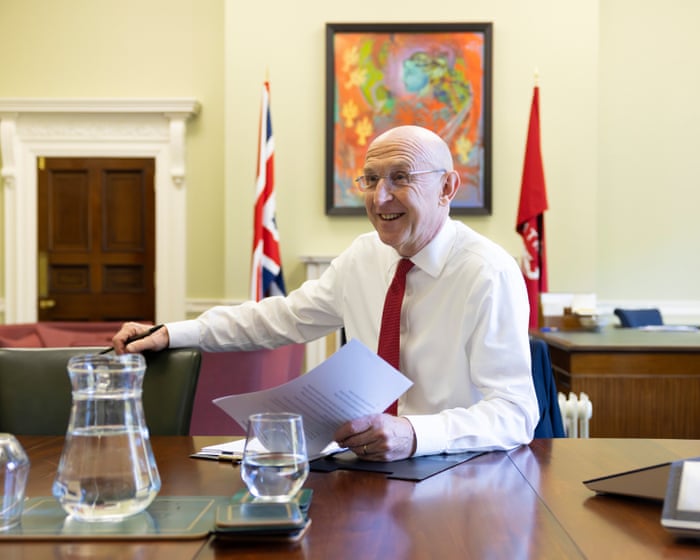
City experts are welcoming reports that chancellor John Healey will scrap plans to slash the annual cash Isa allowance from £20,000 to £12,000 a year.
According to the Financial Times, Healey had concluded that this is the wrong way to persuade people to invest more in stocks and shares.
The move had been announced by Healey’s predecessor, Rachel Reeves, in an attempt to encourage people to invest in UK companies .
It would have meant that from 6 April 2027, anyone under 65 would only have been allowed to save up to £12,000 in a cash ISA. Anything above that will have to move into a stocks and shares Isa.
Tom Selby, director of public policy at AJ Bell, has cheered the move, and criticised Reeves’s “calamitous reform agenda”, saying:
“Rachel Reeves’ ISA reforms were a car crash, lamented by most of the retail investment industry, who criticised the complexity they would add for little consumer benefit, and building societies, who warned they would increase mortgage costs. Given the Prime Minister’s main focus is on easing cost-of-living pressures, we shouldn’t be surprised the Cash ISA cut is set to be unceremoniously ditched.
“While the central aim of encouraging more people to invest for the long-term was the right one, the route Healey’s predecessor chose to achieve this was painfully convoluted, hardening the border between short-term saving and long-term investing and adding overwhelming complexity – not to mention a tax charge – into the system in the process.
Jo Harris, chief customer and operations officer at Quilter, points out that u-turns have costs:
“There is also a lesson here about how policy is made. The industry has already spent an inordinate amount of time and resource preparing its systems, products and customer communications for these changes.
That is time that could have been spent innovating and improving outcomes for customers. Policy inevitably changes, but announcing complex reforms and asking firms to prepare for them only to reverse course before they take effect is the worst kind of policymaking.”
Not cross-checked yet
Only The Guardian reports this story so far. We show it as a single source until another newsroom confirms it.
- The Guardian28 Oct, 07:00
| Publisher The Guardian (reference tier) | +82 |
| Detailed summary | +2 |
| Total | 84 |
Method: reports are grouped by the words of their headline and summary; each newsroom counts once; figures are read from the reports as published. Nothing here is written by an AI.