Installing a thermostat, mastering settings and consumption… HVAC specialists' tips to curb gas bills
As temperatures fall, many are reluctant to turn the heating back on. The culprit is the rise in energy prices, especially gas, which is expected to climb more than 6% in November.
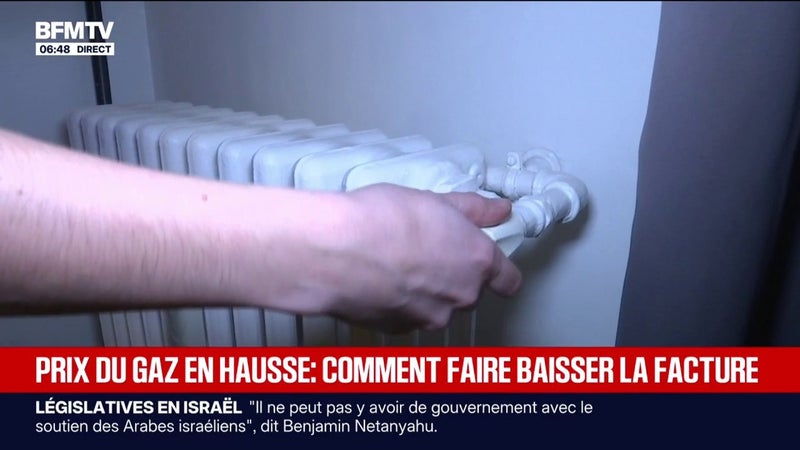
As the autumn chill settles in, households across the country face an uncomfortable decision: should the heating be turned back on, knowing that the cost of gas is set to rise further? With energy prices already at a fever pitch, the prospect of a 6% or greater increase in gas tariffs this November has left many consumers wary. In an environment where the heat is going to cost more than the heat people are willing — or able — to pay for, specialists in building services and heating, ventilation and air‑conditioning (HVAC) are taking a proactive stance.
A single, relatively inexpensive thermostat can be a game‑changer in this scenario. Modern units allow for precise daily programming, linking temperature curves to occupancy schedules. By ensuring that the heating only runs when it is actually needed, a thermostat reduces idle consumption and can lower bills by up to a few percentage points on a monthly basis. The installation of a smart, room‑sensing model also allows for progressive cooling of unoccupied spaces, a practice that is simple yet often overlooked in households that rely on blanket settings.
Beyond hardware, HVAC experts stress the importance of mastering thermal settings. A recommended approach is to keep the thermostat at a constant 18‑20°C for living spaces and slightly lower levels for bedrooms or rarely used rooms. Smoothing out abrupt temperature changes and avoiding the 'thermostatic setback' on weekends can prevent the system from having to work harder to compensate for large swings. A more nuanced tip is to adopt a “freeze‑safe” threshold, ensuring that the lowest set point does not fall below a level that might cause pipes to freeze and damage the heating infrastructure – a risk that is particularly expensive if repair is necessary during low‑price supply periods.
Consumption monitoring itself must become a regular habit. By logging daily temperature set points against actual usage data, residents can spot when their heating systems are being run unnecessarily. Many modern systems log data that can be reviewed on a weekly basis to spot patterns – such as habitual overshoot on evenings or maintaining a high set point during times of vacancy. Armed with this information, a household can adjust its routines, refine its thermostat programming, and see the impact reflected in the next bill. Even modest changes, such as turning down the heating by one degree during the night, can produce a measurable difference over the course of a year.
Looking ahead, the market will be watching how quickly consumers adapt to these behavioral fixes as energy pressures mount. The forecasted 6% rise in November, coupled with a projected steeper increase for the winter months, will likely accelerate the adoption of smart‑heating solutions. Meanwhile, policy makers may explore subsidies or incentives for the installation of well‑regulated temperature control systems as part of broader mitigation measures against the projected volatility in the gas market. For households, the next step is clear: combine a reliable thermostat with disciplined programming and regular consumption review to keep gas bills under control in an unpredictable energy climate.
Machine-translated from French
Not cross-checked yet
Only BFM Business reports this story so far. We show it as a single source until another newsroom confirms it.
- BFM Business28 Oct, 06:56
| Publisher BFM Business (established tier) | +76 |
| Checkable figures cited | +3 |
| Detailed summary | +2 |
| Total | 81 |
Method: reports are grouped by the words of their headline and summary; each newsroom counts once; figures are read from the reports as published. Nothing here is written by an AI.