Four reasons to start worrying about inflation - including the end of tariff refunds
Dennis DeBusschere, of 22V Research, said companies that previously used tariff refunds to ease cost pressures will increasingly hand down those higher costs to consumers.
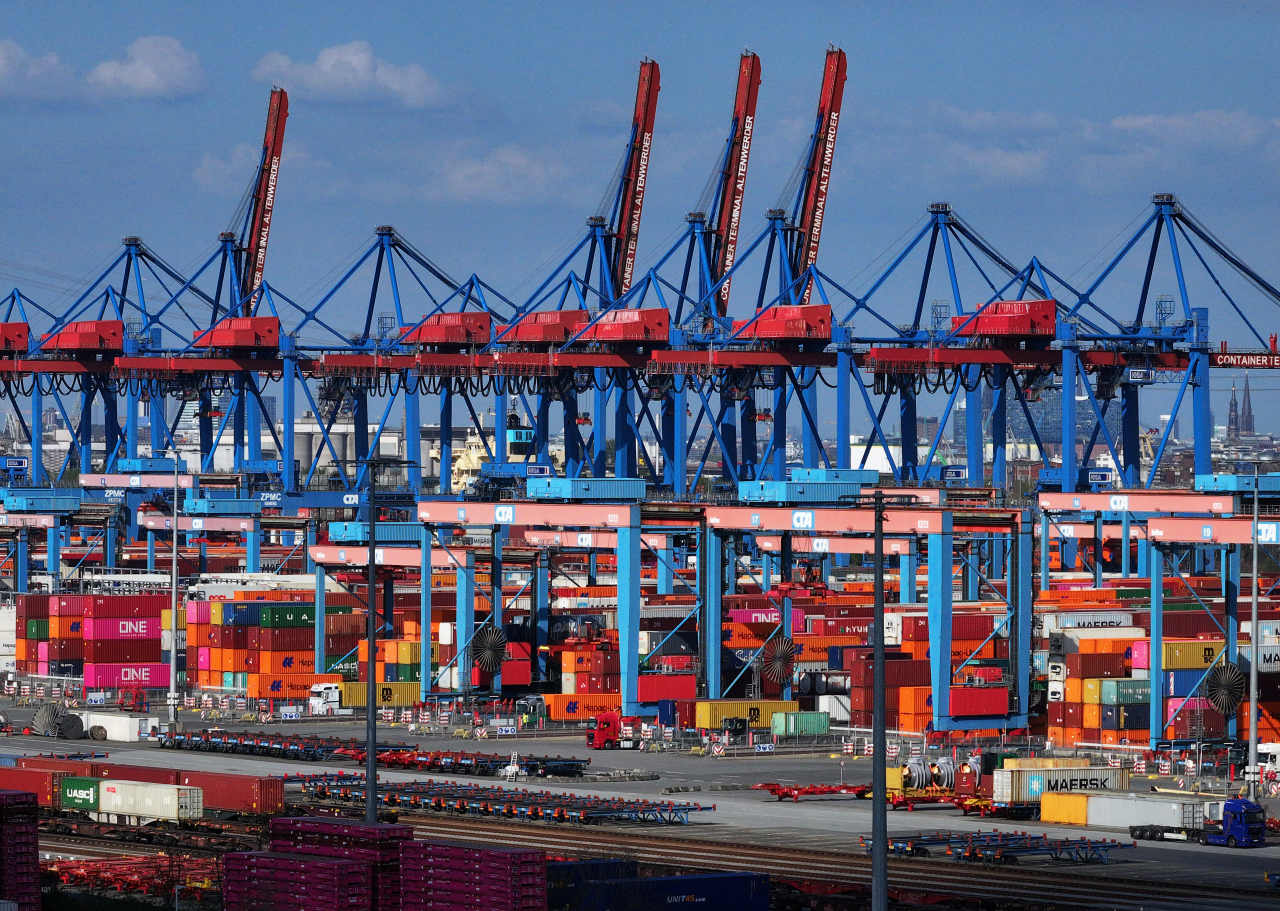
The recent announcement that the government will terminate tariff refunds signals a shift in the cost‑creating landscape for manufacturers that has been absorbing a significant portion of rising input prices. For the last several years, the refund mechanism—designed to cushion sectors from global trade‑related cost spikes—has been a key tool used by companies to keep consumer prices stable. With that safety net removed, cost pressures that were previously internalised are now being pushed up the supply chain, raising the spectre of sustained inflation for the year ahead.
The first cause for concern is the immediate transfer of tariff‑related costs from firms to buyers. Without the refunds, exporters and distributors must bear the full brunt of import duties, and these higher outlays will inevitably influence retail pricing. The effect is likely to be most pronounced in commodity‑heavy sectors such as chemicals, metals, and energy products, where tariff changes translate into direct supply costs.
Second, the end of tariff refunds compounds existing headwinds in the global supply chain. Shipping disruptions, port bottlenecks and the uneven pace of production recovery mean that firms already await delayed inputs. The labour‑intensive costs borne in these environments—now without any mitigatory subsidy—are add‑on to the price equation, creating a new source of inflationary pressure that is less amenable to policy adjustment.
The third factor is the wider trend of commodity price inflation. Raw material costs for paints, plastics and metals have remained on an upward trajectory due to increased demand and constrained supply. Firms that were previously able to smooth these swings with the aid of tariff refunds now face a steeper cost curve that will affect either margins or end‑user prices. The cumulative result is heightened uncertainty across multiple industrial chains.
A fourth and more systemic issue is the potential erosion of the implicit price‑stability expectation that many businesses had come to rely on. Firms plan long‑term activities—investment, hiring and pricing—based on the assumption that input costs would be neutralised by refunds. The sudden policy shift introduces a new variable that can disrupt strategic planning and lead to more volatile price adjustments in the near term.
From a market perspective, the removal of tariff refunds is expected to exert upward pressure on the euro‑denominated food, consumer goods and industrial product indices, as companies adjust their price structures to maintain profitability. Risk premia on debt instruments linked to manufacturing EBITDA are also likely to tighten, reflecting the increased cost leeway now left for exposure to tariff changes. Investors will be watching how fast and in what manner firms announce price changes in the next months, as this will set the tone for headline inflation expectations and Treasury market activity.
Not cross-checked yet
Only MarketWatch reports this story so far. We show it as a single source until another newsroom confirms it.
- MarketWatch28 Oct, 11:21
| Publisher MarketWatch (reference tier) | +82 |
| Detailed summary | +2 |
| Total | 84 |
Method: reports are grouped by the words of their headline and summary; each newsroom counts once; figures are read from the reports as published. Nothing here is written by an AI.