We’re spending more than $11,000 a year of our own money caring for our aging parents and loved ones
An AARP study shows the financial sacrifices families make and their long-term impacts.
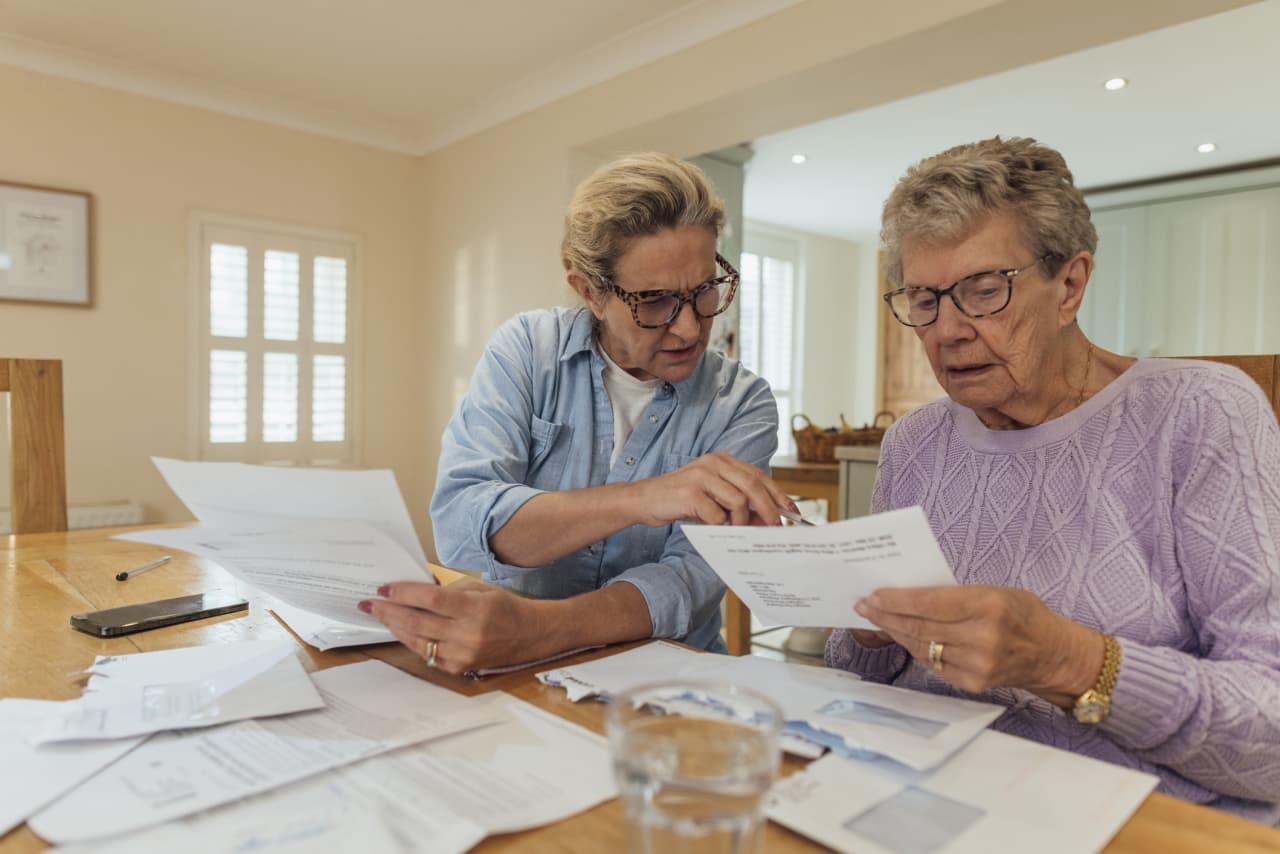
Paragraph 1: The most recent analysis released by the American Association of Retired Persons (AARP) confirms a trend that has long been acknowledged by family caregivers but has now been quantified with the clarity of data. Across the United States, households that are responsible for the day‑to‑day care of elderly relatives grant themselves an average out‑of‑pocket expenditure of more than $11,000 per calendar year. The study, which aggregated self‑reported costs from over 1,200 participants, illustrates that these outlays cover a gamut of expenses – from medications and transportation to home modifications and specialised equipment.
Paragraph 2: At first glance these figures echo the intuition that caregiving is costly, but the study also documents how the burden is layered. After the initial purchase of equipment or medical forms the home becomes a hub of ongoing liability. The recurrent costs of clinic visits, diagnostic tests, and postal mail embedded with medical receipts contribute significantly to the $11,000 figure. Importantly, the analysis highlighted that many caregivers rely on their own savings or retirement accounts to cover gaps not met by Medicare or insurance, further eroding their financial safety nets.
Paragraph 3: The implications reach far beyond the individual family. The cumulative spending of a growing senior demographic exerts new pressure on the overall economy. As the U.S. population ages, more households will enter this financial position, shifting a considerable sum into the private purse rather than public or institutional channels. Parallel to this rise, the labour market is being reshaped: caregivers, often women, are forced to scale back working hours or exit the paid workforce to accommodate family responsibilities, thereby reducing overall productivity and wage growth potential.
Paragraph 4: Policy makers are confronted with a stark decision: either expand public support mechanisms or face a growing burden borne by ordinary households. Existing programmes such as Medicaid’s “home‑based services” and the federal “caregiver tax credit” only extend a modest safety net, and uptake is low because of administrative barriers and lack of awareness. The AARP study’s findings underscore the urgency for tweaks to eligibility criteria, broadened coverage, and clearer communication to make these benefits available to a larger segment of the caring population.
Paragraph 5: For the private market, the sustained demand for elder‑care products and services is creating an environment ripe for innovation. Akut and others are already positioning themselves to cater to the needs of socially responsible families, but the rising costs suggested by the study raise the question of price escalation. Investors and entrepreneurs will be closely monitoring how insurers respond – whether through expanded long‑term care coverage, or higher premium rates – as well as the potential for technology‑driven solutions such as telehealth platforms and AI monitoring that might bring costs under tighter control.
Not cross-checked yet
Only MarketWatch reports this story so far. We show it as a single source until another newsroom confirms it.
- MarketWatch28 Oct, 16:36
| Publisher MarketWatch (reference tier) | +82 |
| Total | 82 |
Method: reports are grouped by the words of their headline and summary; each newsroom counts once; figures are read from the reports as published. Nothing here is written by an AI.