Poland’s Parliament Votes 240-202 to Let Officials Freeze Crypto Before Court Review
Bitcoin Magazine Poland’s Parliament Votes 240-202 to Let Officials Freeze Crypto Before Court Review Poland's Sejm passed a sanctions bill Friday that lets the interior minister freeze bitcoin and bank funds of people…
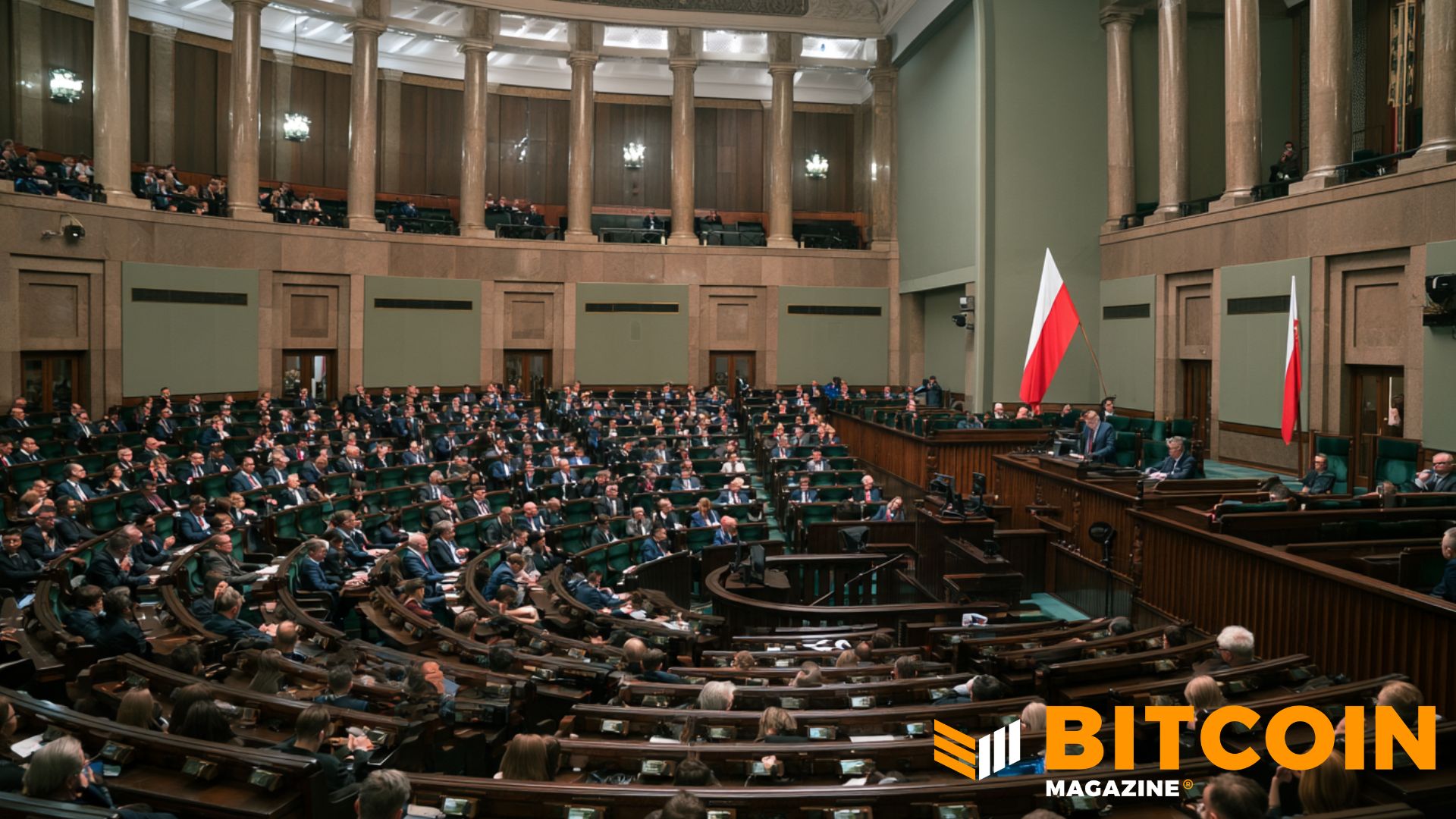
Poland's Sejm passed a sanctions bill Friday that lets the interior minister freeze bitcoin and bank funds of people on a national list, and a court appeal would not pause the freeze.
Poland’s lower house of parliament voted 240-202 on Friday to let the interior minister freeze crypto assets, bank accounts and other property of people placed on a national sanctions list, before any court reviews the order.
The Sejm, Poland’s lower house, passed the Act on Restrictive Measures at its 68th sitting, with one member abstaining and 17 not voting. The Senate received the bill Monday and has 30 days under Article 121 of the Constitution to adopt, amend or reject it, after which it would go to President Karol Nawrocki.
The law, a government bill that also implements European Union sanctions rules, treats crypto assets as financial means that can be frozen, using the definition in the EU’s Markets in Crypto-Assets regulation. A freeze, as the text defines it, is meant to stop any movement, transfer, use or other change that would let the holder benefit from the assets.
The freeze applies only to people and entities the interior minister adds to a public national list, either on the minister’s own initiative or at the request of agencies that include the financial watchdog, the central bank, the financial intelligence unit and the internal security service. Grounds include supporting a country already under EU sanctions, serious human rights abuses, or initiating or financing information manipulation that poses a serious threat to Poland’s national security.
A listing on that last ground requires a showing of a real and serious threat to Poland’s interests, borders, security or elections. The bill carves out ordinary journalism, political speech and publishing, unless that activity is a knowing campaign of the kind the law describes.
The interior minister’s decision takes effect the day after it is posted in the ministry’s Public Information Bulletin and is immediately enforceable. There is no request to the minister to reconsider. A listed person may file a complaint with an administrative court, but the law says the decision remains in force until a judgment becomes final, and it sets aside the usual rule that would let a court pause a challenged order.
The measures also bar making funds or property available to listed persons and can exclude them from public contracts. In some cases, the economy minister may appoint a temporary administrator to sell frozen assets or, under a separate order, take them over for the State .
Not cross-checked yet
Only Bitcoin Magazine reports this story so far. We show it as a single source until another newsroom confirms it.
- Bitcoin Magazine10 Nov, 20:20
| Publisher Bitcoin Magazine (general tier) | +72 |
| Detailed summary | +2 |
| Total | 74 |
Method: reports are grouped by the words of their headline and summary; each newsroom counts once; figures are read from the reports as published. Nothing here is written by an AI.