Biscuits, cakes, ice cream, sweets: in full examination of the Social Security budget, senators approve the creation of a tax on sweet products (but which was rejected by deputies)
As part of the examination of the draft Social Security budget, the Senate voted on Tuesday in favor of the creation of a tax on sweet products, pushed by the government.
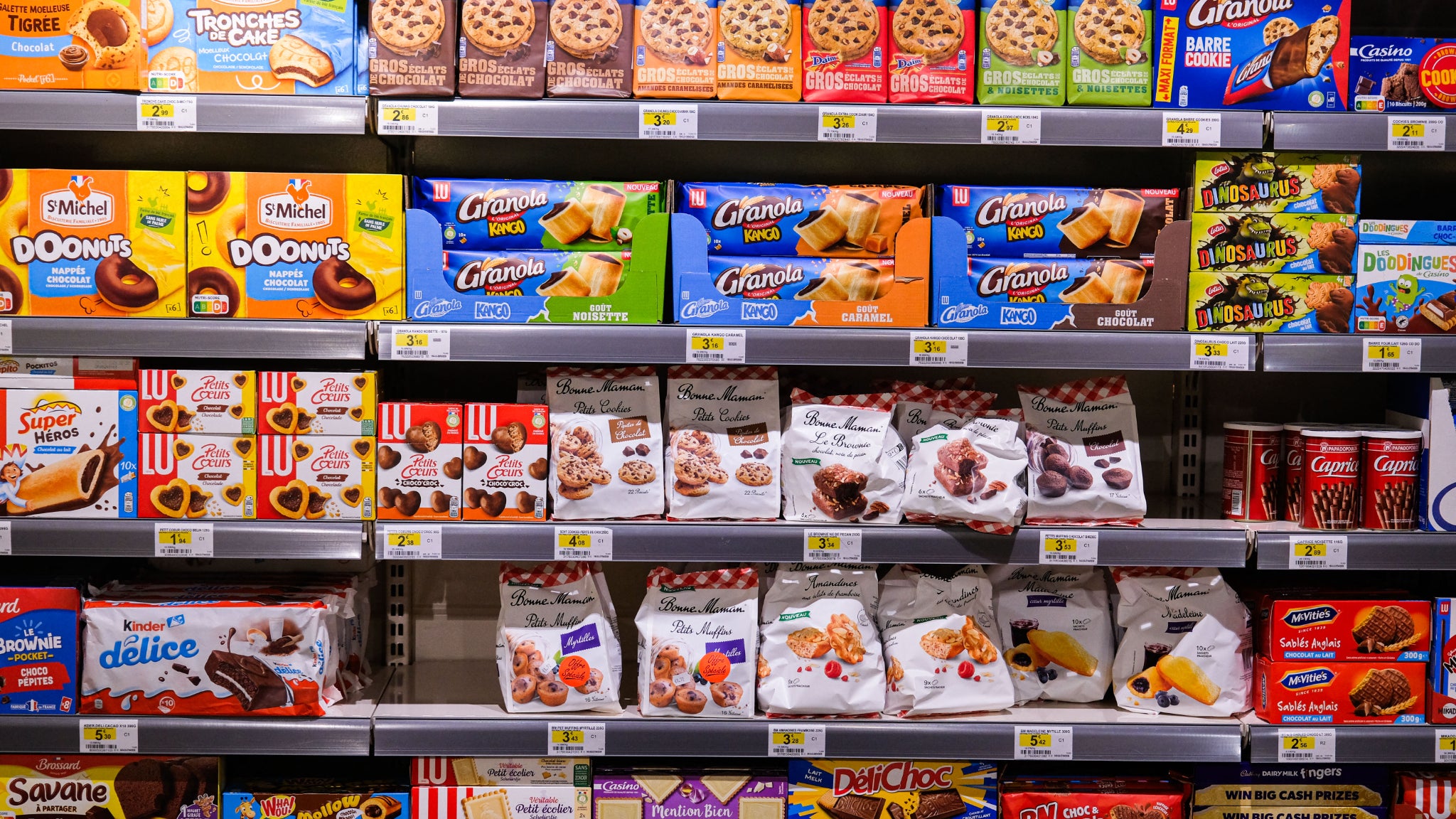
Small success for the government on the Social Security budget: the Senate approved Tuesday the creation of a tax on sweet products, hoping to push manufacturers to reduce the sugar level in their recipes. This contribution, which targets ultra-processed pre-packaged sweetened or sweetened products, was largely supported by a show of hands by senators during the examination of the draft Social Security budget for 2027. Expected to bring in around 300 million euros, this tax, which includes a proportional scale in stages, aims above all to change the behavior of manufacturers by encouraging them to modify their recipes, with the aim of fighting against associated illnesses (diabetes, cardiovascular...
). The vast majority of agro-industry is fighting it and won its case during the examination of the text in the National Assembly: the deputies rejected the measure. The Minister of Health Stéphanie Rist nevertheless deemed it “indispensable” before the senators.
“If we do nothing, in ten years, 80% of our children (who) have excessive sugar consumption (...) will develop liver diseases, hypertension, diabetes, cardiovascular diseases, possibly also cancers,” she declared, assuring that the effectiveness of the system had been proven on a similar “soda” tax in recent years. “It’s a way of fighting against a form of junk food,” argued the general rapporteur of the Social Security budget, the centrist Olivier Henno, refusing to see it as a “question of performance” despite the imperatives of reducing the Social Security deficit.
“Not all French people eat poorly” At his initiative, various adjustments to this tax were adopted to clarify the notion of “pre-packaged” food, and to exempt artisanal, local products benefiting from quality labels. The government welcomed these adjustments, hoping to “reassure” parliamentarians. Around sixty senators still opposed the measure, fearing a destabilization of manufacturers and circumvention of this tax, particularly on imported products.
“Not all French people eat poorly,” criticized centrist Anne-Sophie Romagny. “In the economic context we are experiencing, it is not good news to have a new tax for our manufacturers,” she added. This vote is still indicative at this stage: the suspense remains the government's intentions to have its budget adopted in Parliament, where it does not have a majority.
Machine-translated from French
Not cross-checked yet
Only BFM Business reports this story so far. We show it as a single source until another newsroom confirms it.
- BFM Business10 Nov, 20:18
| Publisher BFM Business (established tier) | +76 |
| Detailed summary | +2 |
| Total | 78 |
Method: reports are grouped by the words of their headline and summary; each newsroom counts once; figures are read from the reports as published. Nothing here is written by an AI.