France is 3rd in Europe for social spending with 32% of GDP: why then do the French receive fewer benefits than the Germans, the Danes or the Dutch?
According to Eurostat, social protection spending increased by almost 5% last year in the EU. With Austria and Finland, France is on the podium of the countries which devote the most resources to it as a percentage of…
An increase of almost 5% in one year. The countries of the European Union have devoted 5,183 billion euros to social protection in 2025, or 27.5% of the GDP of the 28 member states, according to the first estimates from Eurostat published on Friday.
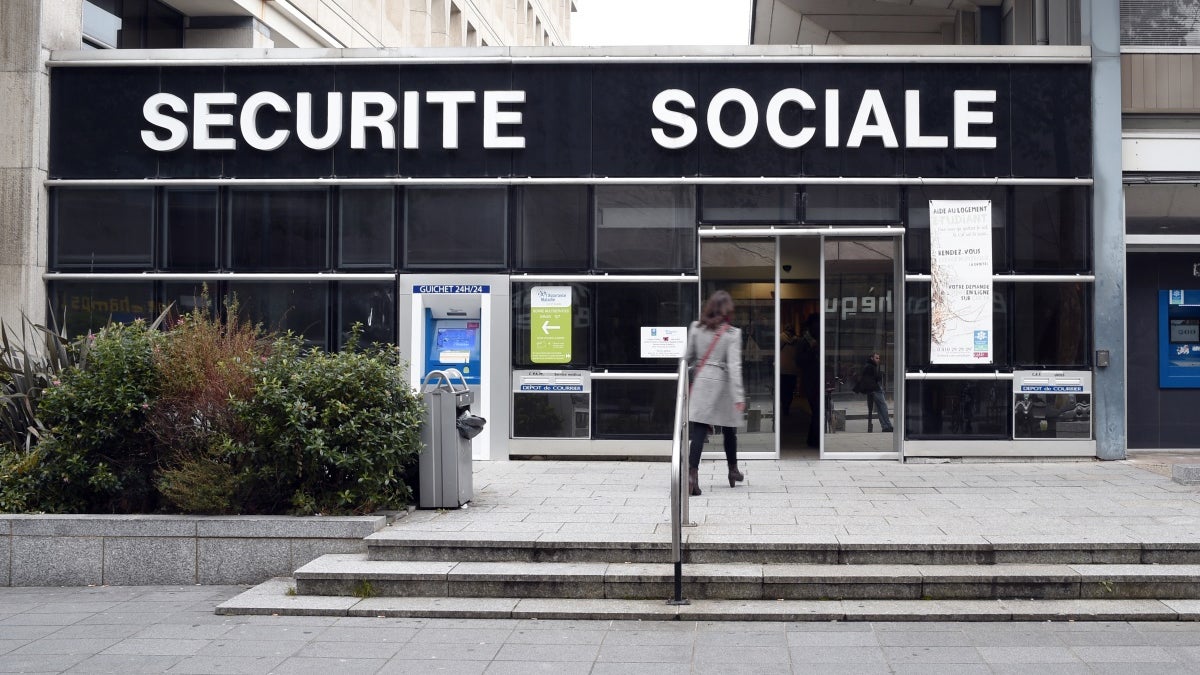
With social spending equivalent to 32.1% of its national wealth, France remains one of the EU countries which allocates the most resources. France, second in 2024, is now in third place, but the gap with Austria (32.4%) and Finland (32.2%) is extremely tight. If France has been at the top of this ranking for years, it is because of its welfare state, one of the most protective in the world but also one of the most expensive.
Each year, the country devotes more than 930 billion euros to social protection, or 57% of total public spending. And this budget continues to grow naturally, particularly due to the aging of the population and the regular revaluation of benefits based on inflation. As a result, these social benefits alone contributed to 60% of the increase in public spending in 2025, as in 2024, according to INSEE.
“The elephant in the room” Over a long period of time, it’s even more. Public finance specialist and president of fipeco, François Ecalle emphasized that of the 11 points of increase in the ratio of public spending to GDP between 1975 and 2025, 8.5 were solely attributable to social benefits, or more than 77%. This observation, the Minister of Public Accounts, David Amiel, echoed it within the framework of the budgetary debates which animate Parliament at a time when the government seeks to slow down the increase in social spending: "For 50 years, 80% of the increase in public spending has not gone to youth, it has not gone into investments for the future, it has gone towards retirement and health", alerted the minister.
“We favored spending on social transfers over investment spending, it’s a societal choice,” confirms Éric Dor, director of economic studies at the IESEG School of Management. The problem is that "a large part of the public deficit is today primarily due to underfinancing of social spending", which is not offset by revenue "despite very high contributions which weigh on the productive system", continues the economist. The result is a headlong flight from the "social debt" which has become "the elephant in the room" according to him at a time when France's public accounts are seriously slipping.
Machine-translated from French
Not cross-checked yet
Only BFM Business reports this story so far. We show it as a single source until another newsroom confirms it.
- BFM Business7 Nov, 06:59
| Publisher BFM Business (established tier) | +76 |
| Checkable figures cited | +3 |
| Detailed summary | +2 |
| Total | 81 |
Method: reports are grouped by the words of their headline and summary; each newsroom counts once; figures are read from the reports as published. Nothing here is written by an AI.