Despite repeated Houthi attacks and the war with Iran, Saudi oil giant Aramco’s profits keep soaring (but the kingdom’s economy remains under pressure)
Despite Houthi attacks and regional tensions, the Saudi oil giant reports a strong profit rise, driven by the surge in oil prices, which offsets the damage to its infrastructure. However, behind these flourishing…
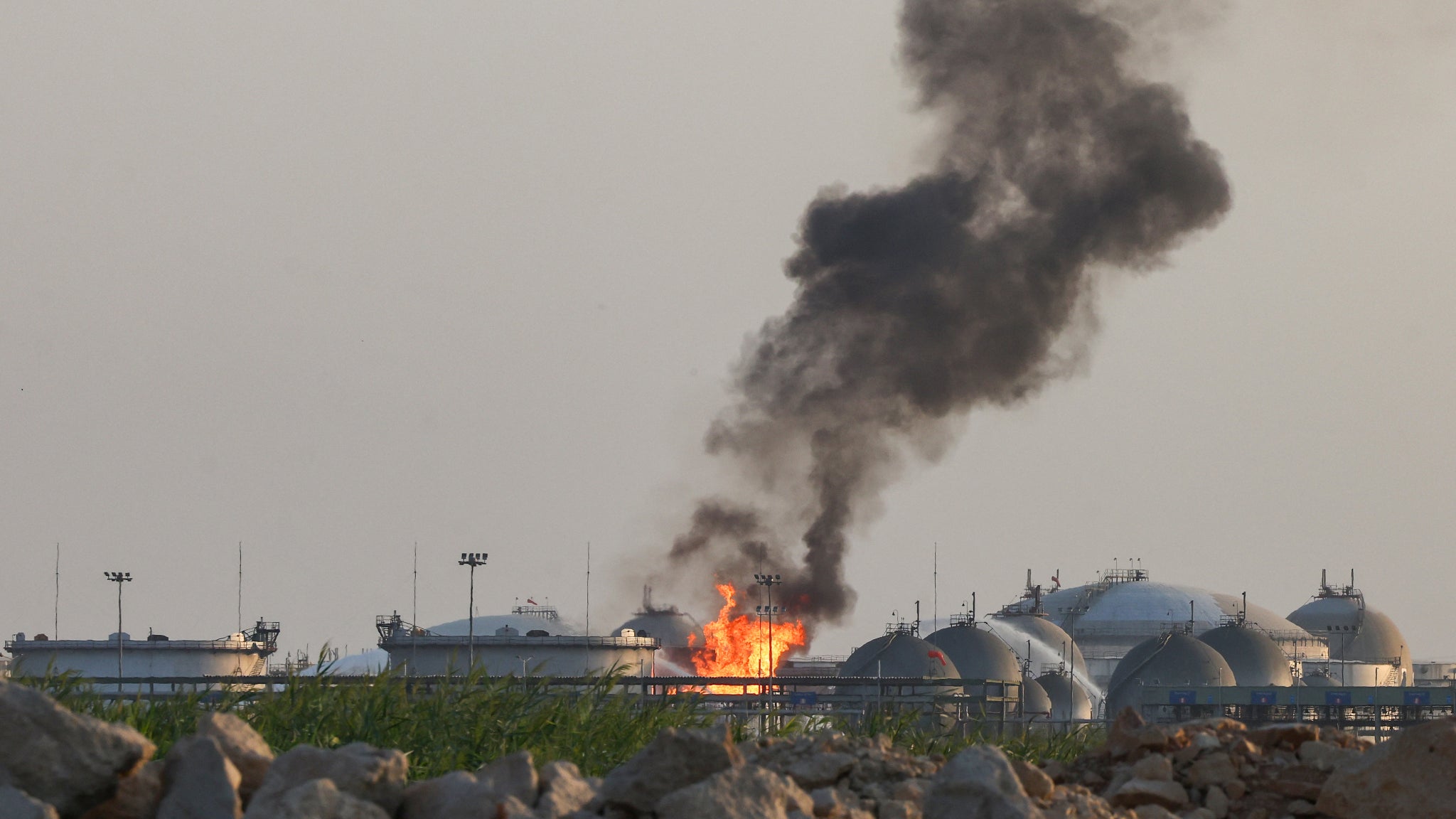
Battered by repeated attacks by the Houthis and tested by a war with Iran which seems to be getting bogged down, the Saudi oil giant Aramco has reason to rejoice. Despite threats to its infrastructure and disruptions to maritime traffic in the strategic Straits of Hormuz and Bab el-Mandeb, the group is posting particularly solid results. The Economist highlights the company's "remarkable resilience" this year.
In the third quarter, Aramco reported a net profit of 135.9 billion riyals ($36.2 billion), compared to around 101 billion riyals in the same period last year. Its cash flow remains particularly strong, despite the disruptions that have affected its activities since the start of the conflict. This increase is explained in particular by the rise in oil prices, driven by regional tensions, but also by a capital gain of 6.2 billion euros resulting from the sale of its stake in the Malaysian joint venture PRefChem to Petronas.
Despite these results, Aramco boss Amin Nasser warned of the “dangerously low” level of global oil stocks. According to him, their reconstitution could take “up to two years”, even after the complete reopening of the Strait of Hormuz. “Until the Strait of Hormuz is fully reopened and confidence restored, pressure will intensify both upstream and downstream,” he warned.
A caution also shared by analysts. Turbulence in the oil market weakens the Saudi economy Interviewed by AFP, Robert Mogielnicki, researcher at the Arab Gulf States Institute, believes that financial results should be better than those of the previous year, when oil prices were significantly lower, but could prove less promising than those of the previous quarter. More broadly, if Aramco seems to be doing well for the moment, the Saudi economy is suffering the full brunt of the repercussions of the conflict.
Despite American naval support, which has made it possible to maintain oil exports via the Strait of Hormuz, market instability and price volatility continue to weaken the kingdom. The economic outlook has thus darkened: Riyadh has revised upwards its budget deficit forecasts for 2026, to 245 billion riyals (58.2 billion euros), and now anticipates a contraction of 3.6% of its economy, mainly due to the decline in oil activity.
Machine-translated from French
Not cross-checked yet
Only BFM Business reports this story so far. We show it as a single source until another newsroom confirms it.
- BFM Business7 Nov, 17:32
| Publisher BFM Business (established tier) | +76 |
| Detailed summary | +2 |
| Total | 78 |
Method: reports are grouped by the words of their headline and summary; each newsroom counts once; figures are read from the reports as published. Nothing here is written by an AI.