Despite inflation at 3.7%, the US Federal Reserve keeps its rates unchanged before the mid-term elections
A few days before the midterm elections, the Fed is maintaining its rates despite persistent inflation.
It was expected. A few days before the mid-term elections in the United States, the American central bank opted for a status quo on its key rates on Wednesday, by ten votes to two, despite inflation higher than its target. Only Governor Lisa Cook and Cleveland Fed President Beth Hammack wanted a quarter-point hike.
Investors expected the Federal Reserve (Fed) to take such a break after tightening the screw in September (by one notch to reach between 3.75% and 4%), and before deciding on a possible further increase at the last meeting of the year, in early December. This decision will not be unanimous, however, as the rise in consumer prices accelerated to 3.7% over one year, largely due to the energy shock which followed President Donald Trump's launching of a war in the Middle East. The American president, however, tirelessly calls for lower rates to stimulate the economy, deeming exaggerated the fear that this will fuel inflation, which has been higher than the Fed's objective (2%) for more than five years.
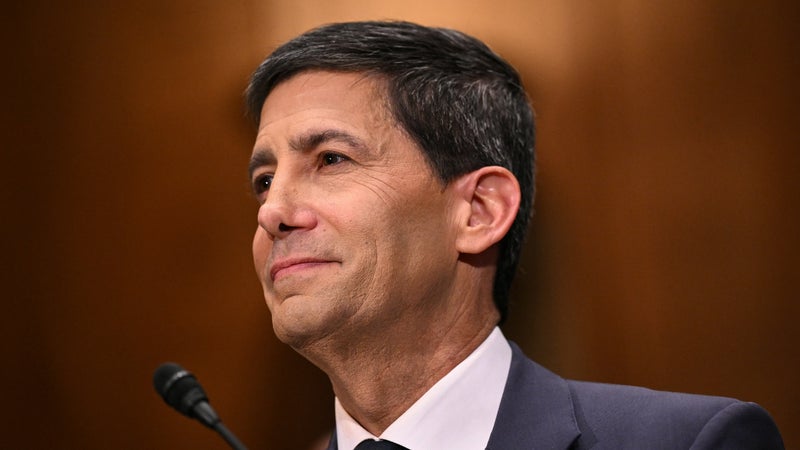
When the central bank raised rates in September, for the first time since the summer of 2023, the president denounced a decision aimed at harming him before the elections, which his camp risks losing. Kevin Warsh escaped his wrath. Trump himself appointed him to head the monetary policy committee, which has twelve voters.
Strong political pressure Before the Fed's decision, Wendy Edelberg, researcher at the Brookings Institution, estimated that the Fed would probably prefer not to expose itself during this period. Waiting six more weeks before increasing rates “doesn’t change things a lot economically,” she told AFP. On the other hand, this prevents monetary managers "from finding themselves at the heart of the political debate just before an election, which does no one any favors", reasoned Wendy Edelberg.
During his victorious 2024 campaign, Donald Trump promised to improve purchasing power and plunge borrowing costs, in particular to allow as many Americans as possible to access the dream of individual homes. For most economists, however, his policies (tariffs, war against Iran) had a direct impact on prices in the United States and prompted lenders to charge higher interest rates to prevent inflation from eating into their future earnings.
Machine-translated from French
Why it is marked verified
2 independent newsrooms report this story. Euronews published it first, 28 h before the last one.
- Euronews27 Oct, 15:23
- BFM Business28 Oct, 19:01
| Publisher BFM Business (established tier) | +76 |
| Carried by 2 newsrooms | +5 |
| Total | 81 |
Method: reports are grouped by the words of their headline and summary; each newsroom counts once; figures are read from the reports as published. Nothing here is written by an AI.