Crypto isn’t a partisan fight, proven by data
Treating crypto as a political battleground only makes it harder to build the secure, transparent, American-made financial system that most Americans say they want, argues DeFi Education Fund’s Jennifer Rosenthal.
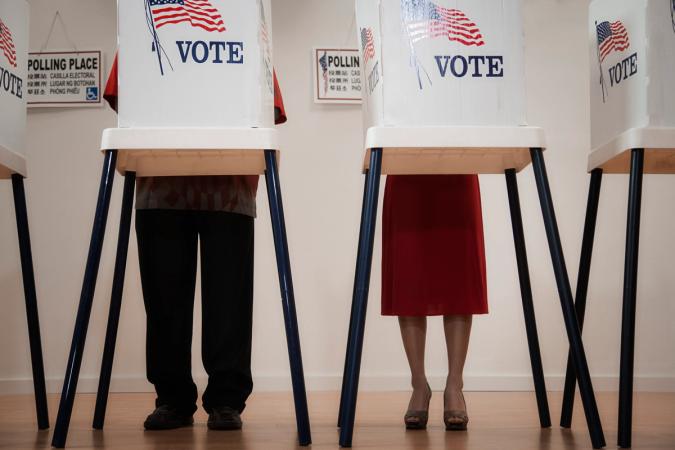
Crypto regulators across the United States have intensified their scrutiny in recent months, sparking heated debates that soon became partisan flashpoints. A fresh dataset, released by a coalition of industry analysts, indicates that the support for cryptocurrency‑based infrastructure is largely bipartisan: Congress members from both parties independently cited the need for a robust, domestic digital payments system when justifying their votes on related bills. While narratives in the political sphere have painted the industry as a left‑leaning or right‑leaning bastion, the numbers suggest otherwise, prompting thought leaders to question whether framing crypto in political terms is productive at all.
Speaking at a recent policy forum, Jennifer Rosenthal of the DeFi Education Fund highlighted the paradox of the situation. She argued that when lawmakers treat cryptocurrency as a constituency‑driven partisan issue, they risk undermining the very benefits the technology promises—security, transparency, and economic resilience. For most Americans, the desire for an American-made financial system that surpasses the perceived vulnerabilities of existing institutions remains strong. When the crypto debate gets laced with political rhetoric, the path to developing that system becomes muddied with conflicting priorities rather than guided by technical merit.
The stakes are high for the financial markets, too. Crypto’s promise to provide lower transaction costs, faster cross‑border payments, and insularity from foreign financial shenanigans has attracted a growing swath of private‑sector investment. However, every legislative uncertainty injects risk into project planning and investor sentiment. In the absence of a consistent, bipartisan regulatory framework, startups and incumbents alike may postpone product launches or shift resources toward political lobbying rather than technology development. That could erode the pace at which the industry matures into a reliable foundation for broader economic services.
Beyond the direct effects on nascent projects, politics also influences the competitive positioning of global players. A hostile political environment could drive innovation to jurisdictions with less friction, thereby reducing the domestic percentage of crypto processing that Americans are increasingly demanding. Moreover, companies could face higher compliance costs, as they must navigate a patchwork of regulations that may shift with each election cycle, making it increasingly challenging to maintain the “American‑made” narrative that is central to them.
While the data solidify the bipartisan resonance of the crypto sector’s goals, the current legislative atmosphere tugs at other points in the arc of innovation. The upcoming hearing scheduled by the House and Senate Banking Committees, slated for next spring, will focus on governance structures for digital assets, specifically the role of central‑bank‑issued digital currencies and the oversight of non‑bank crypto exchanges. Those proceedings will be a litmus test for whether lawmakers have moved beyond partisan framing and toward a coordinated approach to fostering infrastructure that meets both security and transparency requirements.
Not cross-checked yet
Only CoinDesk reports this story so far. We show it as a single source until another newsroom confirms it.
- CoinDesk28 Oct, 19:11
| Publisher CoinDesk (established tier) | +76 |
| Detailed summary | +2 |
| Total | 78 |
Method: reports are grouped by the words of their headline and summary; each newsroom counts once; figures are read from the reports as published. Nothing here is written by an AI.