Ryanair wants to freeze salaries and use more AI to reduce costs in the face of soaring fuel prices
Record kerosene costs are forcing companies to increase their prices, curbing ticket purchases.
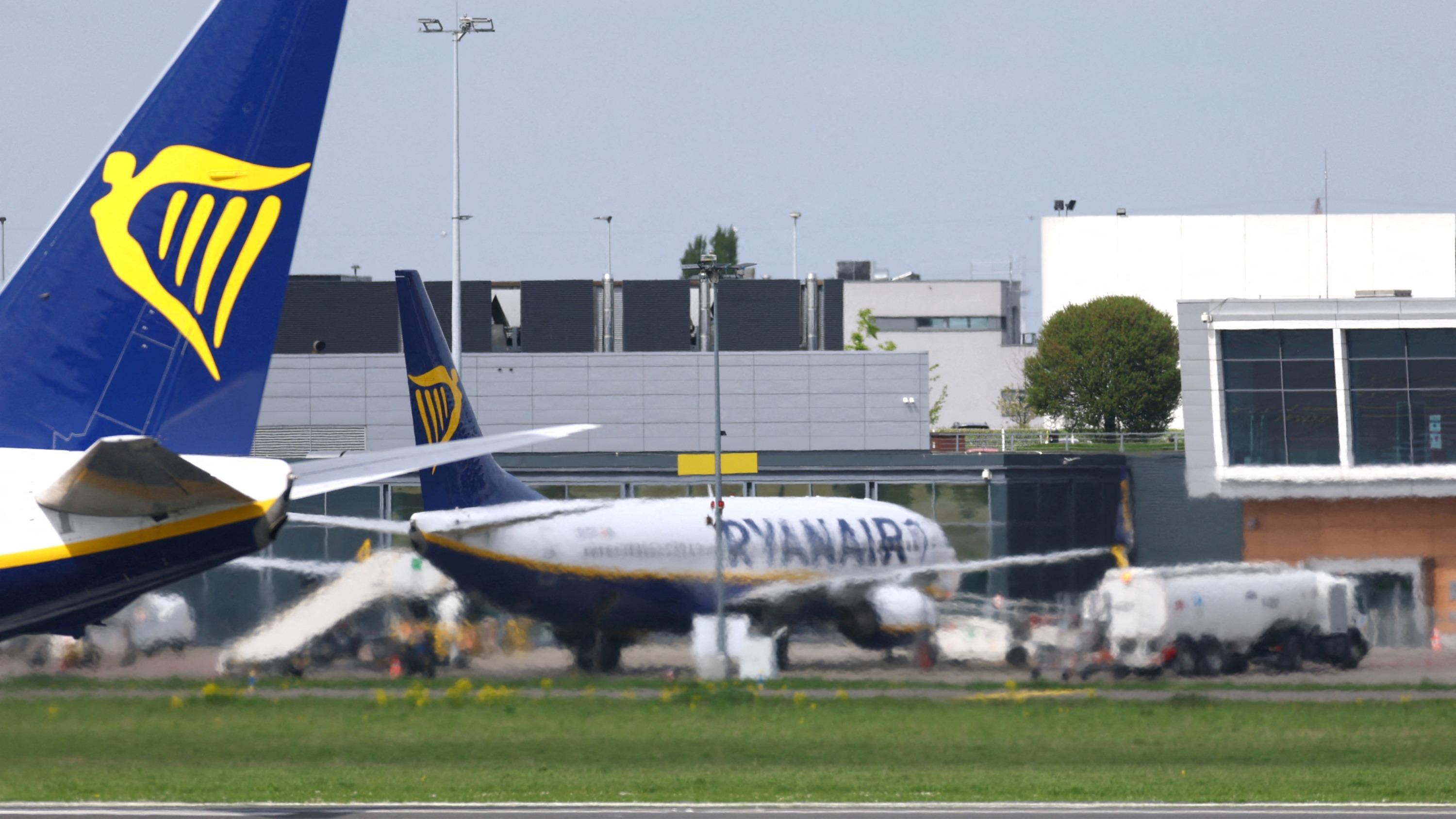
The Irish airline Ryanair announced this Monday, November 2, that it was considering temporary salary freezes and increased use of artificial intelligence to reduce its costs in the face of the fuel surge linked to the war in the Middle East. “Unless there is a rapid resolution to the conflict in the Middle East, we expect kerosene prices to remain high for a good part of 2027,” explains the group's managing director, Michael O'Leary, quoted in the press release. For the current financial year, which ends on March 31, 2027, Ryanair is covered for 80% of its fuel needs, at a price of around $67 per barrel, well below current prices.
But for 2027-2028, only 25% of its needs are at this stage covered, at a higher price of around $95 per barrel. Based on current forward prices, Ryanair anticipates an increase of around two billion euros in its fuel bill. » READ ALSO - The boss of Ryanair predicts “the biggest price increase in history” for plane tickets in Europe in 2027 Fuel coverage “To deal with this, we are reviewing all the costs of the group's airlines,” continues Michael O'Leary.
Among the avenues considered are temporary salary freezes during the renewal of collective agreements and “increased use of AI” to improve the productivity of operations and administrative services. Over the current financial year, fuel coverage has notably helped Ryanair to offset a further increase of 300 million euros in EU environmental taxes, underlines its manager. This protection did not, however, prevent net profit from falling in the second quarter, ended at the end of September, due to the increase in fuel costs and the fall in ticket prices.
Over these three months, it stood at 1.61 billion euros, down 6% year-on-year, despite a 4% increase in turnover, to 5.7 billion euros. Fewer flights During the half-year, the conflict in the Middle East “led to consumer hesitation and later bookings”, weighing on prices, explains Michael O'Leary. But in 2027-2028, more expensive fuel should on the contrary push companies to raise their prices, he believes.
“Travelers should prepare for a sharp rise in the cost of flights, unless oil prices fall significantly,” adds Dan Coatsworth, head of markets at AJ Bell, referring to a possible increase in baggage fees or the price of food and drinks on board. Faced with the high cost of fuel, Ryanair announced at the beginning of September a reduction in its flight program for this winter. It plans to transport 214 million passengers in the current financial year, an increase of 3%, then more than 220 million in 2027-2028.
Machine-translated from French
Not cross-checked yet
Only Le Figaro reports this story so far. We show it as a single source until another newsroom confirms it.
- Le Figaro2 Nov, 13:02
| Publisher Le Figaro (established tier) | +76 |
| Total | 76 |
Method: reports are grouped by the words of their headline and summary; each newsroom counts once; figures are read from the reports as published. Nothing here is written by an AI.