The journey is longer and more expensive: to circumvent Ukrainian strikes, Russia is transporting metal via the Arctic for the first time in 30 years
Faced with strikes in the Black Sea and the saturation of its Baltic ports, Russia is reactivating an Arctic trade route to maintain its metal exports. A strategic detour, but longer and more expensive.
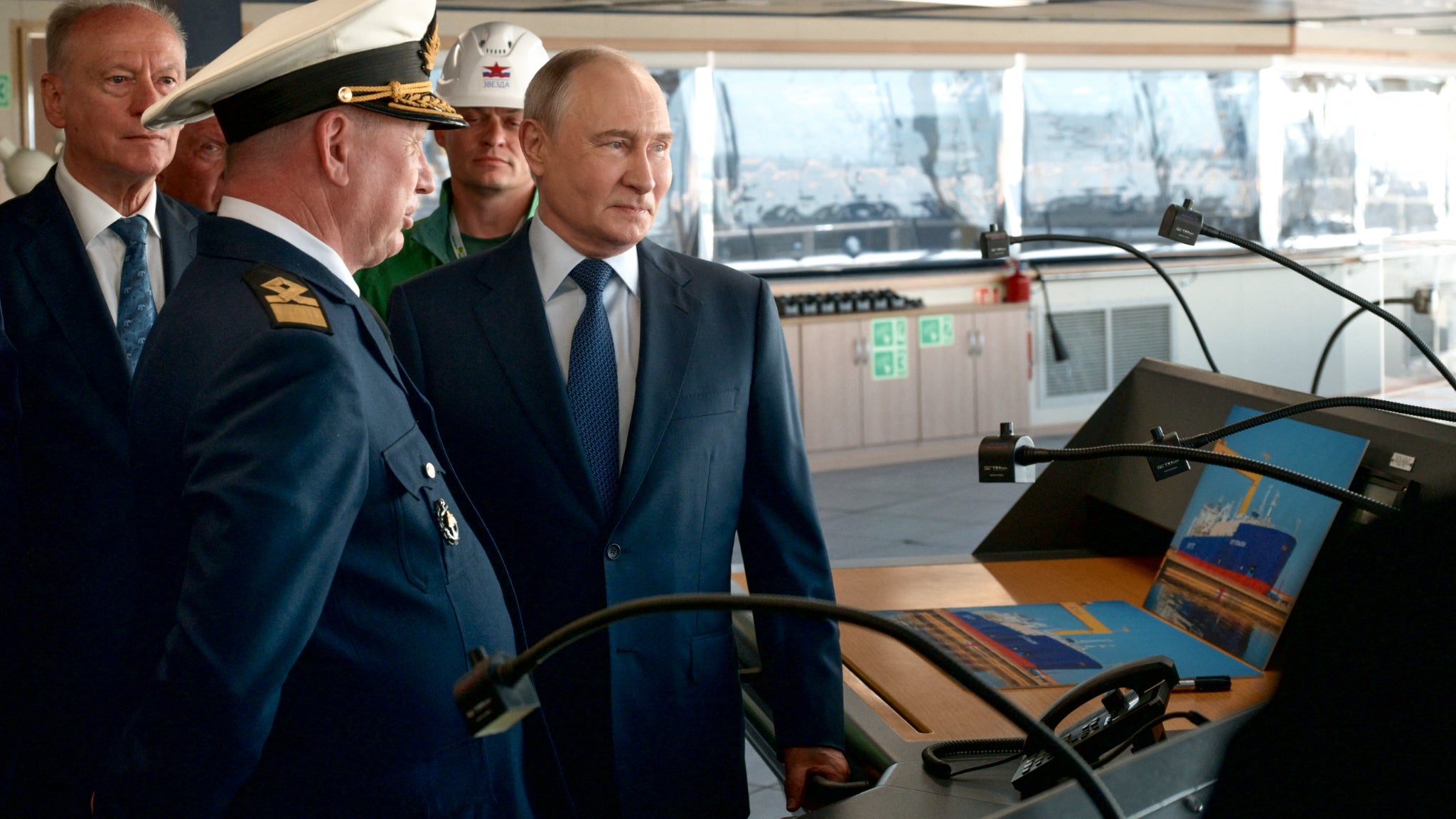
Russia is resuming, for the first time since 1996, exports of pig iron, an iron alloy, from the Arctic port of Murmansk. This rerouting aims to circumvent the risks linked to Ukrainian strikes in the Black Sea, which disrupt trade routes in the south of the country. More than 180 wagons transported the metal from the Urals to prepare a first load of 65.
000 tonnes to Turkey. This new route, which allows Moscow to maintain its exports despite geopolitical constraints and European sanctions, however has a cost: the maritime journey to the Mediterranean is approximately ten days longer than from the Black Sea, which makes transport significantly more expensive. Since the summer, Russian exporters have been facing significant disruptions in the Black Sea, where Ukraine and Russia are increasing strikes against ships to disrupt their trade routes.
Nearly 700 strikes have been recorded there since the start of the year, according to the maritime security company Ambrey. Its analyst, Tomas Alexa, describes the “pace of operations” carried out this summer as “unprecedented”, in the columns of the Financial Times. Russia turns to the Arctic for its exports To maintain its exports, Moscow has redirected part of its cargoes towards the Baltic ports, now saturated, then towards Murmansk, in the Arctic.
“This says a lot about the pressure the Russians are under in the Black Sea, who are turning towards Murmansk and the Baltic countries,” observes Tomas Alexa. Traditionally specialized in oil, the port of Murmansk is now developing its activities in the export of metals and cereals. In October, the Arctic Circle port recorded its fourth best month of exports in two years, according to the Kpler platform.
To accommodate cargoes of pig iron, however, the port had to adapt its equipment with special buckets and electromagnets. But this massive rerouting is causing new bottlenecks on the Russian rail network. According to the Center for Strategic and International Studies (CSIS), Russia shipped around 20 million barrels of oil to Asia via this northern sea route between July and October 2026, almost 50% more than in all of 2025.
Fossil fuel exports thus continue to represent a major financial windfall for Moscow, generating around 193 billion euros per year, one of the Kremlin's main sources of financing in times of war.
Machine-translated from French
Not cross-checked yet
Only BFM Business reports this story so far. We show it as a single source until another newsroom confirms it.
- BFM Business7 Nov, 15:43
| Publisher BFM Business (established tier) | +76 |
| Detailed summary | +2 |
| Total | 78 |
Method: reports are grouped by the words of their headline and summary; each newsroom counts once; figures are read from the reports as published. Nothing here is written by an AI.