Democratic tsunami, Trump setback: "The boundaries between private profit and public service have totally disappeared", analyzes Nobel Prize economist Joseph Stiglitz
After the Democrat wave in the midterms and Donald Trump's reversal, Nobel Prize-winning economist Joseph Stiglitz deciphers the lessons of a vote marked by social anger, inequality and corruption at the apex of the…
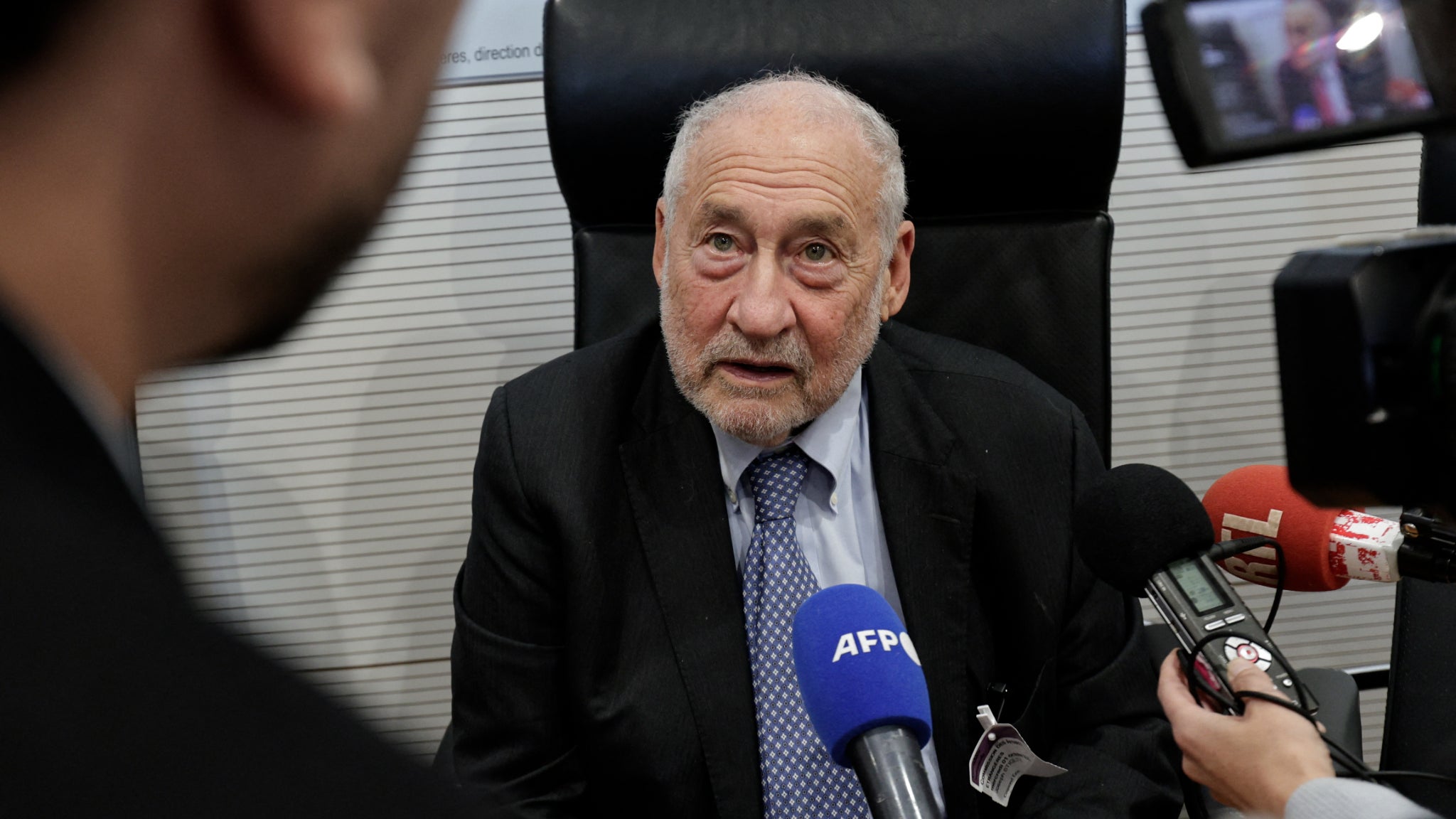
Did American democracy resist Trump? For Joseph Stiglitz, 2001 Nobel Prize winner in economics, Tuesday's vote constitutes "a fantastic demonstration" of its proper functioning, he analyzes in the columns of La Tribune Dimanche. Despite concerns, voters mobilized and opposition to Trump proved stronger than expected.
But this election, among the most costly in history, also reminds us of the weight of great fortunes in political life. Elon Musk's massive investment was not enough, however, according to Joseph Stiglitz, also a former member of the Clinton administration. “We are not for sale,” the voters responded in a way, he believes.
For the economist, if money continues to threaten democracy, it does not guarantee victory. Joseph Stiglitz also sees in this election the progression of an American left that is less and less self-conscious about the word “socialism”. The proposals of the Democratic Socialists of America, particularly on access to care, appeal beyond their traditional electorate.
Young and old (...) defend things that any reasonable person could want, for example access to care. In Europe, whether the government is right or left, everyone has access to healthcare without it being called socialism.
It's just a fundamental right. Joseph Stiglitz, economist and Nobel Prize winner “It’s just a fundamental right,” he recalls, taking Europe as an example. The economist thus believes that a progressive president, inspired by European social democratic models, could one day access the White House.
“It’s a real possibility.” “Purchasing power and corruption” at the heart of the American elections Asked about the major themes of the midterm campaign, Joseph Stiglitz gives his reading of the election. Like many observers, the Nobel Prize winner in economics believes that purchasing power was at the heart of voters' concerns, against a backdrop of growing inequalities.
“The oligarchs are getting richer and richer, while so many Americans are struggling to make ends meet. People have the feeling that the system is rigged.” But Joseph Stiglitz also points to the extent of corruption under Trump, who “stripped the country of billions of dollars”.
The economist remembers that during the Clinton administration, "we were not allowed to accept a meal worth more than $25." The ethical rules were then strict: "The Americans paid us to do our work, not to enrich ourselves." Today, he laments, “the boundaries between private profit and public service have completely disappeared”.
Machine-translated from French
Not cross-checked yet
Only BFM Business reports this story so far. We show it as a single source until another newsroom confirms it.
- BFM Business8 Nov, 09:28
| Publisher BFM Business (established tier) | +76 |
| Detailed summary | +2 |
| Total | 78 |
Method: reports are grouped by the words of their headline and summary; each newsroom counts once; figures are read from the reports as published. Nothing here is written by an AI.