United Kingdom: Burnham presents his first Budget
The new Prime Minister is faced with high inflation and a rise in rates, with little room for maneuver expected.
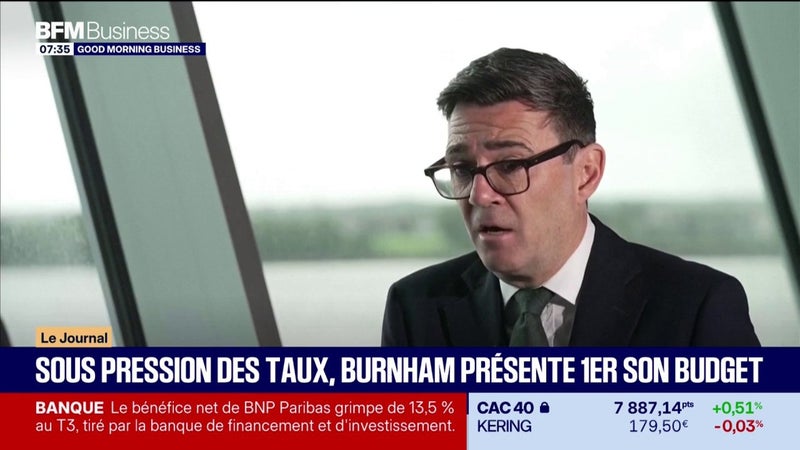
On Tuesday, the United Kingdom’s newly appointed Prime Minister, Sir Julian Burnham, delivered his first budget to the House, setting the tone for the administration’s fiscal policy in a period of economic uncertainty. The budget, which was heralded as a “balanced approach to inflation control and growth,” emphasised tightening measures across the board, reflecting the prevailing pressure on government finances, the finance ministry and consumer spending. The government’s stance signals an intention to act decisively in tightening monetary policy, even as it faces diverging pressures from the Treasury, public debt, and a fragile labour market.
Burnham’s key challenge is the confluence of persistent high inflation and a spike in the Bank of England’s policy rate. The Prime Minister highlighted the need for further interest rate hikes to secure price stability, arguing that higher borrowing costs were essential to recalibrate the central bank’s stance. Reuters does not report that UK inflation has dipped below its sub‑2% objective, and the central bank’s forecast suggests further tightening is on the horizon, a development that will strain households and small‑business financing. The scarcity of policy space is a direct consequence of the staggering size of the national debt and the share of public finances that is now devoted to servicing that debt.
The budget also reaffirms fiscal consolidations, tightening spending caps and curbing the growth of public sector salaries. The government will require reductions in discretionary spending, constrained compensation increases and a trimmed imbalance in the debt-to-GDP ratio. Acknowledging that the focus remains on resilient estimates, Burnham’s administration foresees limited manoeuverability to accommodate large‑scale fiscal stimulus or robust infrastructure investment without jeopardising debt sustainability or inflation targets.
Gearing the coming policy mix in light of current conditions is a delicate balancing act. While the Prime Minister stated the government will give priority to the “structural fiscal dimensions”, the emerging data from the Treasury indicates a critical need to absorb external pressures from weathered supply chain dynamics and volatile commodity prices. The resultant policy response is characterised by policymakers favouring a narrow stimulus, while strategically postponing large‑scale fiscal manoeuevers or a package of tax reforms that could generate long‑term growth.
Markets have reacted gradually, reflecting the more hawkish stance of the pandemic‑era monetary policy and the interdepartmental constraints placed on UK agencies, but the black market premium remains unchanged. In the days when the policy discussion shifts intensely, it remains vital to monitor the Bank of England’s monthly inflation reports, the quarterly data on GDP activity, the behaviour of corporate debt markets, and the policy statements from Treasury officials, in order to understand how the government’s policies could impact the outlook in the next few months.
Machine-translated from French
Not cross-checked yet
Only BFM Business reports this story so far. We show it as a single source until another newsroom confirms it.
- BFM Business28 Oct, 08:01
| Publisher BFM Business (established tier) | +76 |
| Total | 76 |
Method: reports are grouped by the words of their headline and summary; each newsroom counts once; figures are read from the reports as published. Nothing here is written by an AI.