Taxes demand a tax from owners: the bill will rise further in 2027
Owners of a second home must pay their housing tax. The rate of this local tax increases again in 2027 but some owners can avoid the “surtax”.
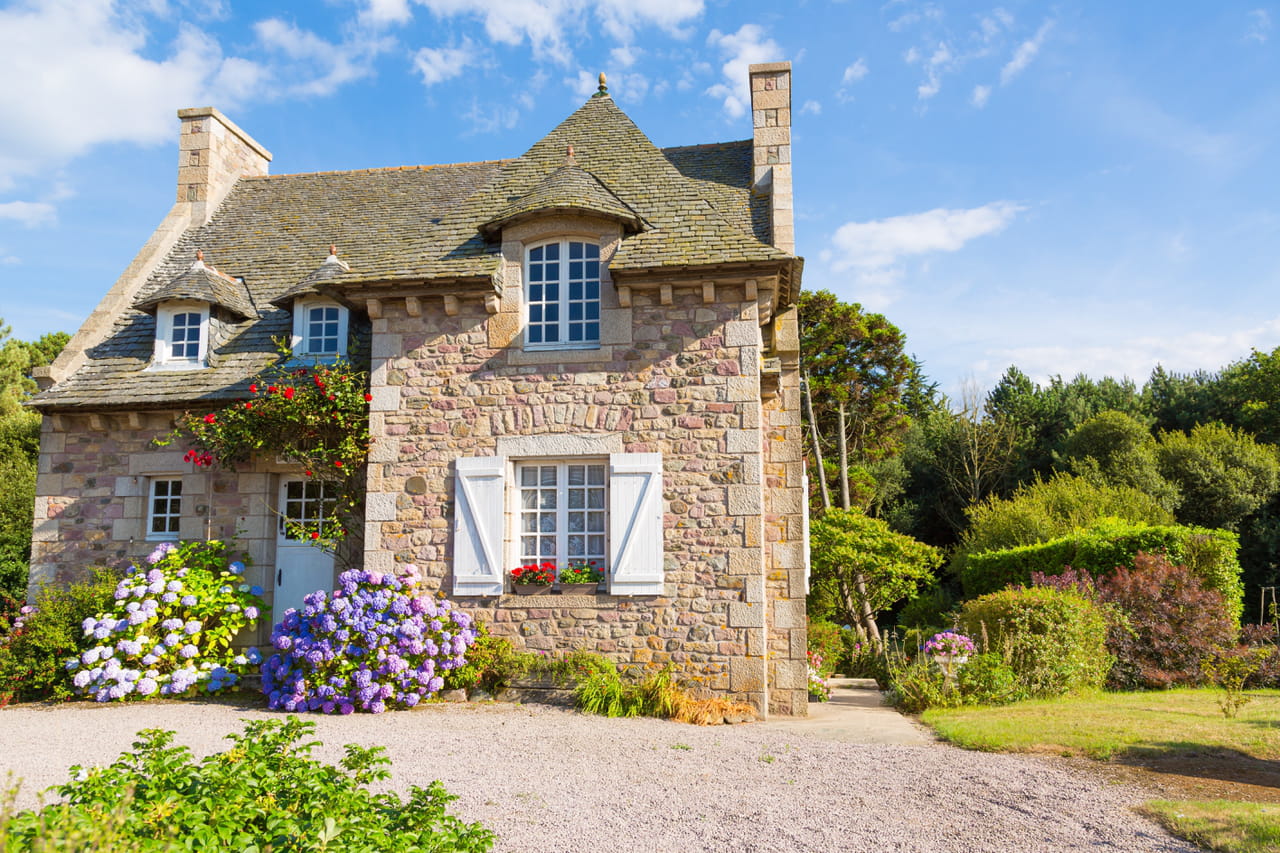
During November, by post or email, all owners of a second home will receive their housing tax notice. This document will also be accessible in their personal space on the impots.gouv.fr website.
As of January 1, 2026, INSEE recorded nearly 3.8 million second homes in the country. All owners with furnished accommodation which is not their main residence and which is not rented out for the year will therefore have to pay. In short, accommodation that they can enjoy at any time.
The owners of these accommodations will have to pay the bill no later than December 15 for those who pay by transfer, check or cash and who owe less than 300 euros in taxes. Other owners liable for housing tax will have to pay it online on the tax website before December 20, 2026 at midnight.
These taxes paid by owners are disappearing: another higher one will soon replace them
He spots a ridiculous price on the shelf and rushes to the checkout, but the merchant refuses to sell to him: he did not know this law
However, the burden of this local tax has continued to increase for several years. The calculation of the housing tax on second homes (THRS) is in fact based on the cadastral rental value of the property, that is to say the theoretical rent that the accommodation could bring in if it were rented. Since cadastral rental values are reevaluated every year according to the inflation rate recorded by INSEE during the previous year, they increased by 7.1% in 2023, by 3.9% in 2024, and by 1.7% in 2025. The THRS therefore followed the same trend.
As an indication, in 2025, owners paid on average 1,094 euros in housing tax per second home according to the General Directorate of Public Finances (DGFIP). Since then, cadastral rental values have continued to grow, climbing by 0.8% in 2026. According to INSEE projections, they are expected to grow by a further 2.9% in 2027, dragging the THRS in their wake.
Added to this overall increase in the THRS is the tax rate voted by each municipality. A rate which can be particularly high in certain municipalities. In so-called “tense” areas, where housing supply falls short of demand, local authorities are authorized to apply an increase in THRS of between 5% and 60% on their share. In total, 3,689 municipalities can thus apply a “housing surcharge” on second homes.
Most of the time, these are large cities or towns located near coastlines or in mountainous areas. Due to the large number of second homes, access to housing is particularly difficult in these towns.
Certain taxpayers may nevertheless be exempt from housing surcharge. This is the case for people forced to reside outside their main residence for professional reasons or for seniors entering a retirement home who must leave their main residence but who do not wish to part with it.
Machine-translated from French
Not cross-checked yet
Only Journal du Net reports this story so far. We show it as a single source until another newsroom confirms it.
- Journal du Net29 Oct, 06:55
| Publisher Journal du Net (general tier) | +72 |
| Detailed summary | +2 |
| Total | 74 |
Method: reports are grouped by the words of their headline and summary; each newsroom counts once; figures are read from the reports as published. Nothing here is written by an AI.