UK charity shop profits plummet amid shift in secondhand clothes market
British Heart Foundation describes ‘exceptionally challenging’ trading after Oxfam’s retail profit reportedly fell 23% amid rise of platforms such as Vinted Profits at some of the UK’s best-known charity shops have…
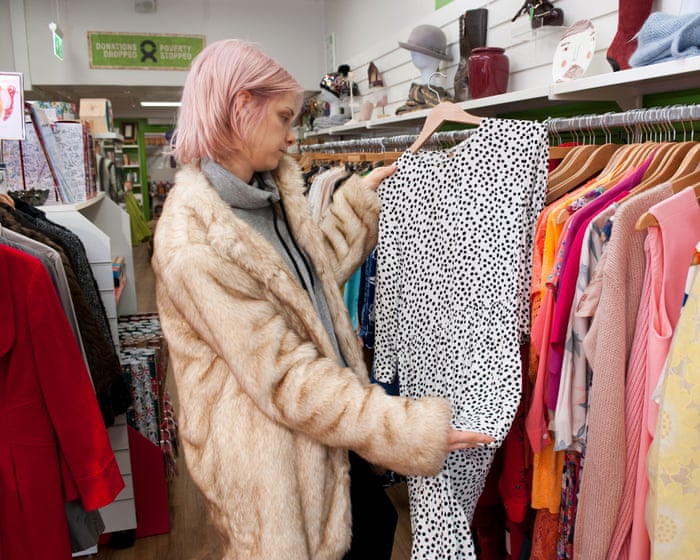
UK charity shop profits plummet amid shift in secondhand clothes market British Heart Foundation describes ‘exceptionally challenging’ trading after Oxfam’s retail profit reportedly fell 23% amid rise of platforms such as Vinted
Profits at some of the UK’s best-known charity shops have plummeted as they face a number of pressures, including from online secondhand clothes platforms, prompting claims that a key part of the sector’s fundraising model could be under threat.
According to unpublished accounts seen by the Financial Times , Oxfam’s retail profit fell 23% to £4.9m in the last financial year, compared with £6.4m in the previous year.
The British Heart Foundation (BHF), which has the biggest high street presence of any charity in the country, has announced plans to close 150 stores after they made a £3.3m loss in the last financial year. Cancer Research UK and Scope have also closed, or are closing, some of their shops.
But these losses come despite UK spending on secondhand clothing having quadrupled over the past decade, rising to £8.8bn a year, according to GlobalData.
The shift has come alongside the rise of websites such as Vinted and Depop, suggesting that people who might previously have donated clothes to charity shops are instead selling them directly to other consumers and profiting themselves.
Alongside this change, Chinese companies are selling more clothes in developing countries, particularly in Africa, which has long been a major market for unwanted secondhand clothing.
“It has been challenging … and it is going to be painful for the sector,” Lorna Fallon, the head of Oxfam’s retail operation, told the Financial Times.
Oxfam’s latest filings reveal that for every £100 people spend in its shops, just £6 now goes towards the charity’s work on alleviating global poverty. As recently as 2022, the figure was £22, the FT reports. However, the organisation’s focus on books and music means it has no plans to reduce its number of shops.
In June, BHF carried out a major review of its retail arm, which employs almost 3,700 staff, after profits from its shops plunged from £18.8m in 2024 to £3.6m in the year to 31 March 2025.
The charity cited “an exceptionally challenging trading environment”, and said it was aiming to close 90 stores by the end of March 2027 and another 60 by the following March.
The rapid change in fortunes for charity shops also highlights their limitations in the face of greater competition. Whereas Vinted and Depop directly connect sellers with buyers, charity shops remain at the mercy of high street and warehouse rents and other associated costs and inefficiencies, including collecting, sorting, pricing and storing clothes.
Not cross-checked yet
Only The Guardian reports this story so far. We show it as a single source until another newsroom confirms it.
- The Guardian31 Oct, 16:10
| Publisher The Guardian (reference tier) | +82 |
| Checkable figures cited | +3 |
| Detailed summary | +2 |
| Total | 87 |
Method: reports are grouped by the words of their headline and summary; each newsroom counts once; figures are read from the reports as published. Nothing here is written by an AI.