“Chaos, fear, debt”: Henri Guaino’s call to avoid an uncontrollable financial crisis
TRIBUNE - The runaway rates do not only follow economic logic, but also psychological factors, recalls the former special advisor to Nicolas Sarkozy who is worried about a sequence leading France to chaos.
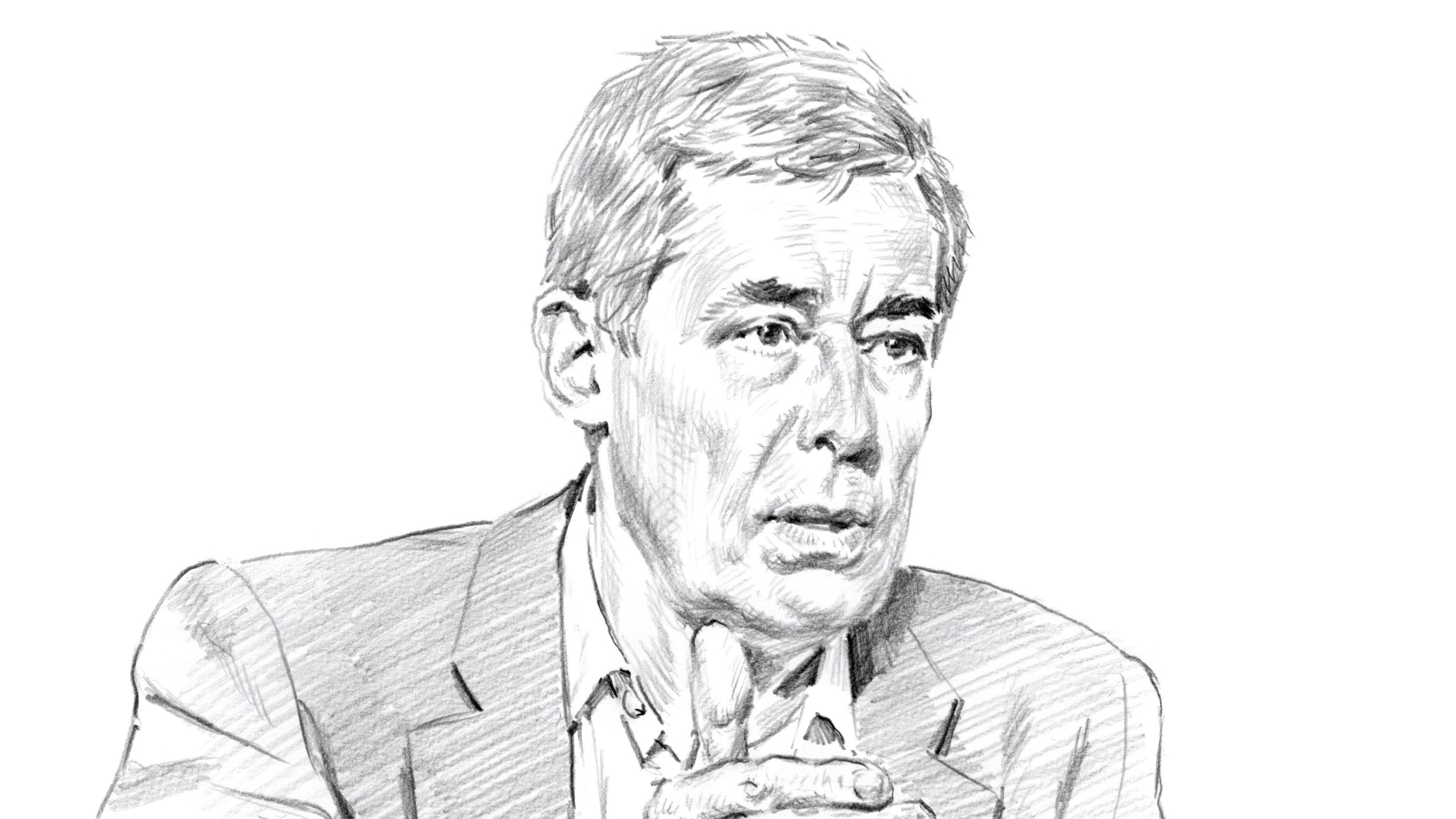
Latest book published: “On the seventh time, the walls fell” (Éditions du Rocher, 2023). He will publish Will we finally have a president? at Fayard, November 18, 2026.
It has been a long time since our country had such a feeling of being on the edge of an abyss. Its public debt of 3,600 billion, 119% of its GDP, contributes to this even if the United States, Japan, Italy and Singapore have higher debt rates. Although no economist has ever been able to identify a universal limit for the public debt to GDP ratio beyond which a country would be condemned to recession or default.
The limit of 90% of GDP that two eminent Harvard professors believed to have identified in 2010 was swept away by a calculation error. In 2014, an IMF study, returning once again to the subject, did not make it possible to identify a ceiling either. The European Union has set one, we do not really know why, at 60% of GDP, which is exceeded today by 13 member countries out of 27.
Harmful in certain cases, debt can also be fruitful. Braudel estimates that the English debt, which rose from 20% of GDP in 1688 to 250% in 1815, was one of the factors in England's industrial and political power at the end of the 18th century and throughout the 19th century. Our debt is not a power factor.
It did not finance the investment. It has been used to pay the bill for crises, deindustrialization, all the social fractures that our public policies have dug into the economy and society and the disorders that they have allowed to take hold. The authors of the report on the transparency of public finances calculated that, with an unchanged trajectory, taking into account the spontaneous drift of expenditure and the increase in the interest charge, the debt ratio would reach 130% in 2030 and the effort necessary to stabilize it, 125 billion by 2032.
But no banker assesses the solvency of a borrower by relating the amount of his debt to his annual income.
Machine-translated from French
Not cross-checked yet
Only Le Figaro reports this story so far. We show it as a single source until another newsroom confirms it.
- Le Figaro4 Nov, 10:23
| Publisher Le Figaro (established tier) | +76 |
| Detailed summary | +2 |
| Total | 78 |
Method: reports are grouped by the words of their headline and summary; each newsroom counts once; figures are read from the reports as published. Nothing here is written by an AI.