BENSAID AVOCATS: litigation experience serving tax advice
Founded in 2016, the BENSAID Avocats firm has handled more than 8,000 tax dispute files and draws on this experience to advise investment funds, family groups and entrepreneurs whose activity extends beyond borders.…
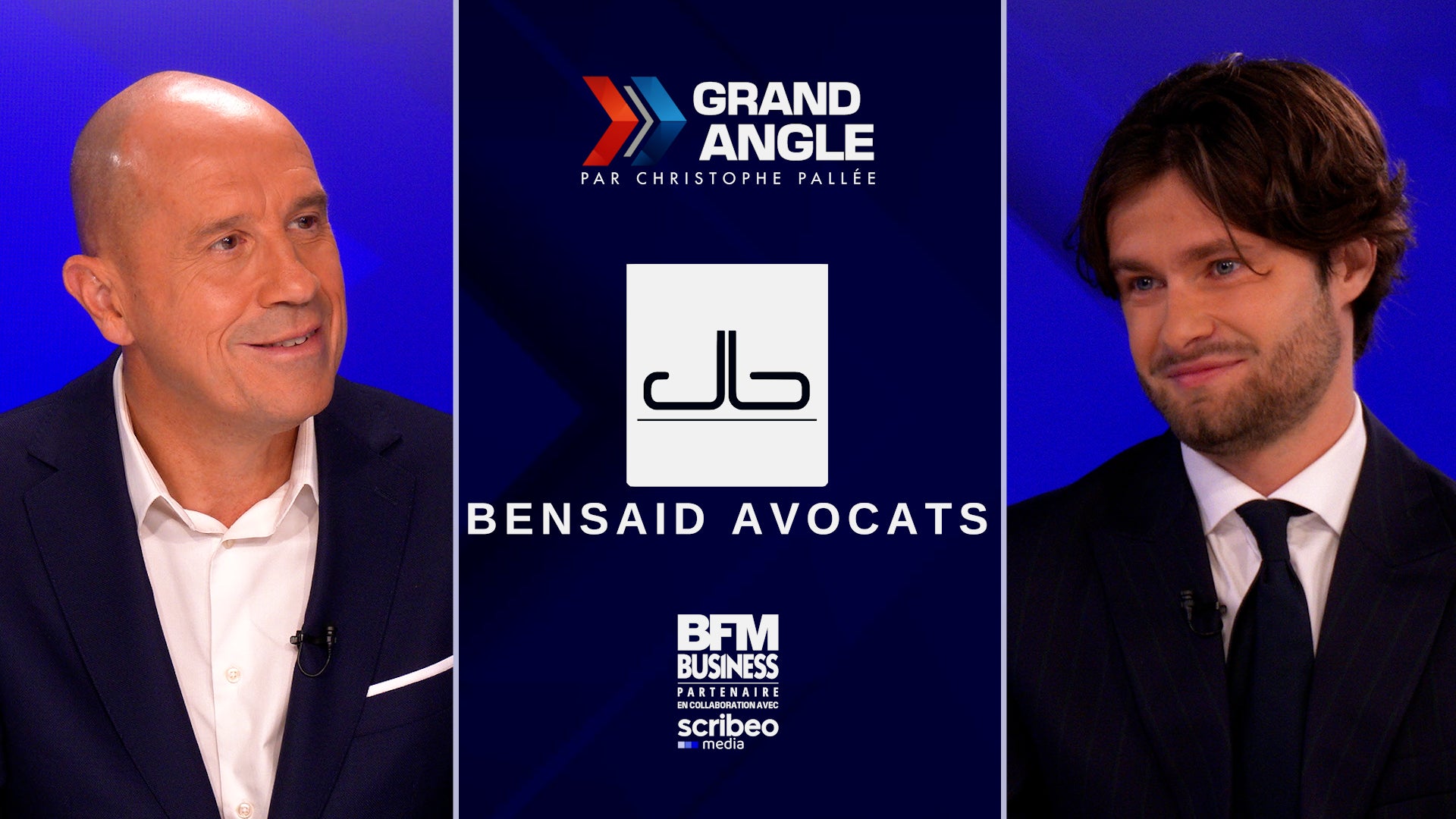
The firm was created in 2016. How did you come to make tax litigation the basis of your consulting practice? How would you define the expertise of BENSAID Avocats in one sentence?
The firm was founded in 2016 by Jonathan Bensaid. I joined as a partner, and today I lead the firm’s tax practice. Our specialty lies in one idea: we provide tax advice, and this advice is based on litigation.
Since 2016, BENSAID Avocats has handled more than eight thousand tax dispute files, from which we have drawn a basis for the arguments that the administration actually uses: which ones come up, in what order, which ones hold up before the judge and which ones fail. There is a reason why this material cannot be replaced by any other. Only a fraction of tax audits result in a court decision: many disagreements are abandoned, regularized or resolved during the administrative procedure, before any appeal to the judge.
A firm that sticks to published case law therefore only sees part of what the administration is really opposing. The rest does not appear in any collection. In one sentence: tax advice based on eight thousand litigation files.
You work for investment funds, family groups, SMEs and entrepreneurs, often in international situations. What does this imply in the way you work? We advise investment funds, family groups, SMEs and mid-caps, entrepreneurs and managers.
What unites them is not the size of a heritage, it is an activity that crosses borders, in particular on the France-Switzerland and France-United States axes. What that entails has changed in recent years. The administration cross-references its data, exchanges with foreign administrations and obtains banking information, including in Switzerland.
Two questions then systematically come up: tax residence, and permanent establishment. A recovery on these lands costs hundreds of thousands of euros, with increases that can reach 80%. Concretely, this reverses the order of work.
We do not start from the rule to check that we are complying with it. We start from control: what will the administration come for, and what will the client be able to show them? The rest follows from that.
On what types of concrete files do you support them? A German company in industrial trading, and a French company. The same man heads one and exercises an administrative management function in the other.
A perfectly legal dual role, and very common in cross-border groups. We see exactly the same configuration with Switzerland. The administration considered that the foreign company had a permanent establishment in France through it.
Machine-translated from French
Not cross-checked yet
Only BFM Business reports this story so far. We show it as a single source until another newsroom confirms it.
- BFM Business9 Nov, 09:00
| Publisher BFM Business (established tier) | +76 |
| Detailed summary | +2 |
| Total | 78 |
Method: reports are grouped by the words of their headline and summary; each newsroom counts once; figures are read from the reports as published. Nothing here is written by an AI.