“These last six months have been trying”: with a profit divided by three, Emirates, the largest airline in the Middle East, is hit hard by the war
The flagship of Dubai saw its half-year net profit collapse by 66%, due to the surge in kerosene and the war in the Middle East.
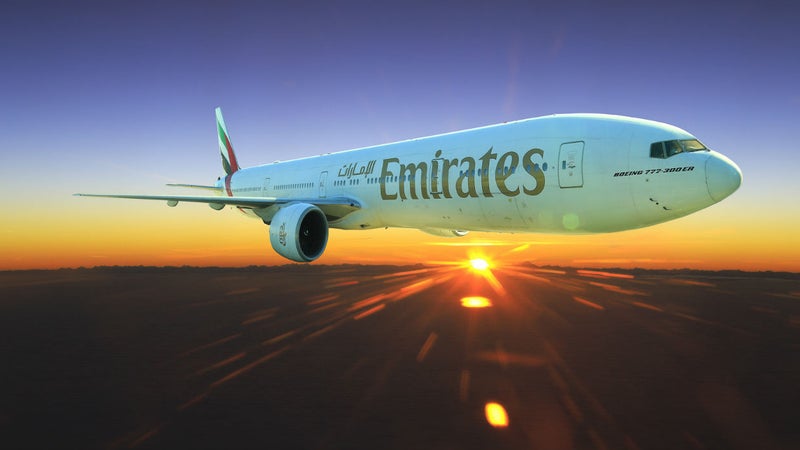
It is a double punishment for the Emirates group, owner of the largest airline in the Middle East, hit both by the slowdown in its activity due to the war in Iran and by the surge in kerosene. The group announced on Thursday a half-year profit down 66% year-on-year, to $903 million over the first six months of the fiscal year (from April 2026 to March 2027), compared to $2.9 billion for the same period last year. Cargo as a lifeline Disruptions in air traffic and travel restrictions linked to the conflict in the Middle East, triggered by the strikes of the United States and Israel against Iran on February 28, have affected the results of the group's airline.
Emirates saw its revenues fall by 13% year-on-year, to $15.5 billion in the first half. “These past six months have been challenging,” Emirates CEO Sheikh Ahmed bin Saeed Al Maktoum said in a statement, citing “unprecedented regional challenges and high oil prices.” But “customer demand remained strong and our freight business made a significant contribution, helping to maintain revenue and cash flow at a satisfactory level, even though global jet fuel prices doubled compared to the same period last year, weighing on our costs,” he added.
During this period, the number of group employees fell by 2% to 128,237 people, according to the press release. Net profits at Dnata, another company owned by the group and which provides services to Dubai airport, fell 56% year-on-year to $84 million.
Machine-translated from French
Not cross-checked yet
Only BFM Business reports this story so far. We show it as a single source until another newsroom confirms it.
- BFM Business5 Nov, 09:49
| Publisher BFM Business (established tier) | +76 |
| Checkable figures cited | +3 |
| Total | 79 |
Method: reports are grouped by the words of their headline and summary; each newsroom counts once; figures are read from the reports as published. Nothing here is written by an AI.