Bank accounts: apparently attractive rates, but beware of inflation
The proliferation of promotional offers on bank accounts is a boon for prudent savers, but with the rise in prices continuing to accelerate, the real return on these investments is not necessarily always advantageous.
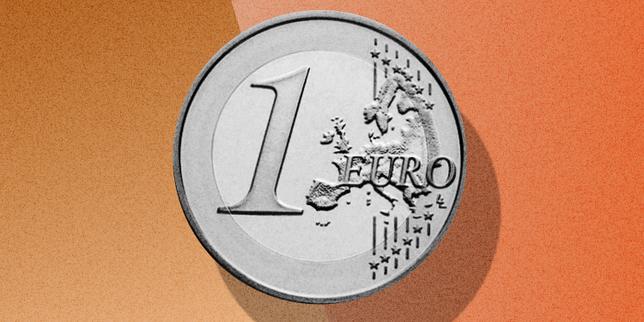
In recent weeks, a wave of enticing interest rates has begun to surface across France’s banking landscape, as deposit-only accounts promise returns that far exceed the national average. Numerous retail banks, from long‑standing national institutions to newer, technology‑led players, have rolled out promotional schemes that will roll out over three to five years, lavishing new savers with rates up to 1.5‑2 % nominal on balances of up to €100,000.
The appeal of these offers is clear: consumers who might otherwise feel locked into low‑yield savings products now have tempting alternatives. At a time when traditional savings accounts have hovered around 1 %, these promotions appear to give savers a better chance of earning a meaningful return on their idle cash. Financial advisers are offering guidance on when to switch to a nominated account, noting the importance of committing to the full term to earn the advertised rate.
Yet, while nominal yields appear lucrative, the backdrop of inflation remains an inescapable reality. France, like many of its peers, has seen prices accelerate beyond the 2 % target set by the European Central Bank. Recent consumer price surveys indicate that inflation has once again breached the 3 % threshold, eroding purchasing power substantially. As a result, the real yield – that is, the nominal rate adjusted for inflation – can fall to the point of being negative for a sizeable segment of savers.
The practical consequence for households is that even an attractive nominal rate may not translate into an increase in real wealth. A 1.8 % interest rate, for example, becomes effectively neutral if inflation climbs to 3 %. Indeed, for those with smaller balances or those who wish to maintain liquidity, the risk of locking funds into a long‑term contract at a nominal rate that lags behind inflation can outweigh the perceived benefit of a higher headline figure.
Beyond individual savings decisions, the broader financial market is taking note. A sudden influx of deposit capital into high‑rate accounts could relieve some pressure on retail lenders, potentially tightening credit conditions for small businesses and mortgages. Moreover, banks that offer these promotions are likely doing so to capture market share, implying increased competition in a sector that has traditionally been dominated by a handful of large players.
Looking ahead, savers and policy observers should monitor three key variables: first, the trajectory of inflation readings in the coming months, as the European Central Bank’s policy decisions hinge upon these data; second, the durability of promotional rates, as some may not be honoured beyond the first year; and finally, any changes in the regulatory framework regarding deposit guarantees or banking conduct. Only by keeping a close eye on these factors can consumers assess whether a high‐rate deposit truly represents a prudent investment or simply a consumer illusion of yield.
Machine-translated from French
Not cross-checked yet
Only Le Monde reports this story so far. We show it as a single source until another newsroom confirms it.
- Le Monde27 Oct, 06:00
| Publisher Le Monde (reference tier) | +82 |
| Detailed summary | +2 |
| Total | 84 |
Method: reports are grouped by the words of their headline and summary; each newsroom counts once; figures are read from the reports as published. Nothing here is written by an AI.