House Democrats are eyeing Trump’s pardons and his family’s crypto deals - the last time they ran oversight, his administration ignored subpoenas
Bondi refused to answer many questions from Democrats, instead launching personal attacks against these members of the U.S. Senate.
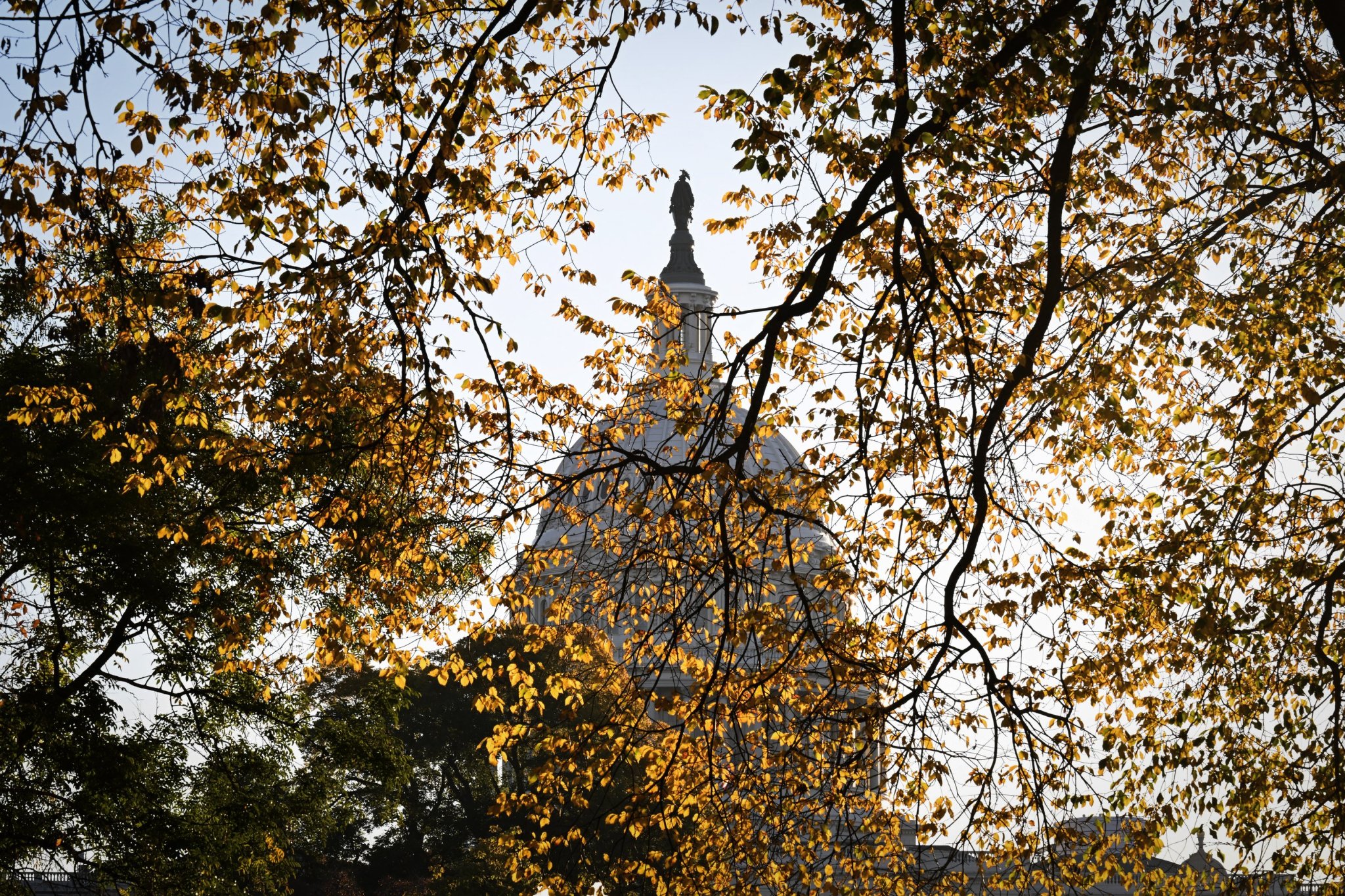
That’s been the message of congressional Democrats throughout the closing days of the 2026 midterm campaign . Now that the party’s candidates have reportedly won control of the House of Representatives , that campaign promise is likely to be carried out. Democratic Rep. Jamie Raskin told The New York Times in late October that among the potential oversight targets were pardons granted by President Donald Trump, possible corruption in government contracting and the Trump family’s cryptocurrency deals.
Routine congressional oversight hearings usually don’t make headlines.
When Attorney General Pam Bondi appeared before the Senate Judiciary Committee on Oct. 7, 2025, what took place was a contentious, highly partisan, made-for-TV-and-social-media confrontation.
Bondi refused to answer many questions from Democrats, instead launching personal attacks against these members of the U.S. Senate.
The episode captures a basic tension in congressional oversight: Congress can demand answers, but getting them often depends on the cooperation of the branch it is investigating.
That tension is about to sharpen when Democrats control the oversight process. Their hearings will likely be anything but routine.
From our perspective as political scientists who study the U.S. Congress , congressional oversight has played an important role in American democracy. Here’s a brief history.
In simple terms, oversight is the ability of Congress to ensure that the laws it passes are faithfully executed. This generally means asking questions, demanding information, convening hearings and holding the executive branch accountable for its actions.
Oversight isn’t specifically mentioned in the Constitution. Article 1, Section 8 , which lists the powers of Congress, includes the power “to make all laws which shall be necessary and proper,” without identifying an oversight role. Once laws are enacted, Article 2, Section 3 , states that the president “shall take Care that the Laws be faithfully executed.”
However, the framers viewed congressional oversight as a key component of legislative authority. They wanted presidents to take Congress seriously and structured the Constitution to ensure that the executive would be accountable to the legislature.
As James Madison urged in Federalist 51 , the separate branches of government should have the power to keep each other from becoming too powerful. “Ambition must be made to counteract ambition,” Madison wrote.
The framers drew from the examples of the British Parliament and Colonial legislatures . In 1621, Sir Francis Bacon was charged with corruption and impeached as Lord High Chancellor after an investigation by a committee of the British Parliament. And in 1768, the Massachusetts Assembly conducted an investigation of Gov. Francis Bernard that led to a formal request to the King of England for his removal.
Not cross-checked yet
Only Fortune reports this story so far. We show it as a single source until another newsroom confirms it.
- Fortune4 Nov, 19:20
| Publisher Fortune (established tier) | +76 |
| Total | 76 |
Method: reports are grouped by the words of their headline and summary; each newsroom counts once; figures are read from the reports as published. Nothing here is written by an AI.