Éric Hazan: “The anger of the middle classes can be explained by the fact that they are no longer able to project themselves”
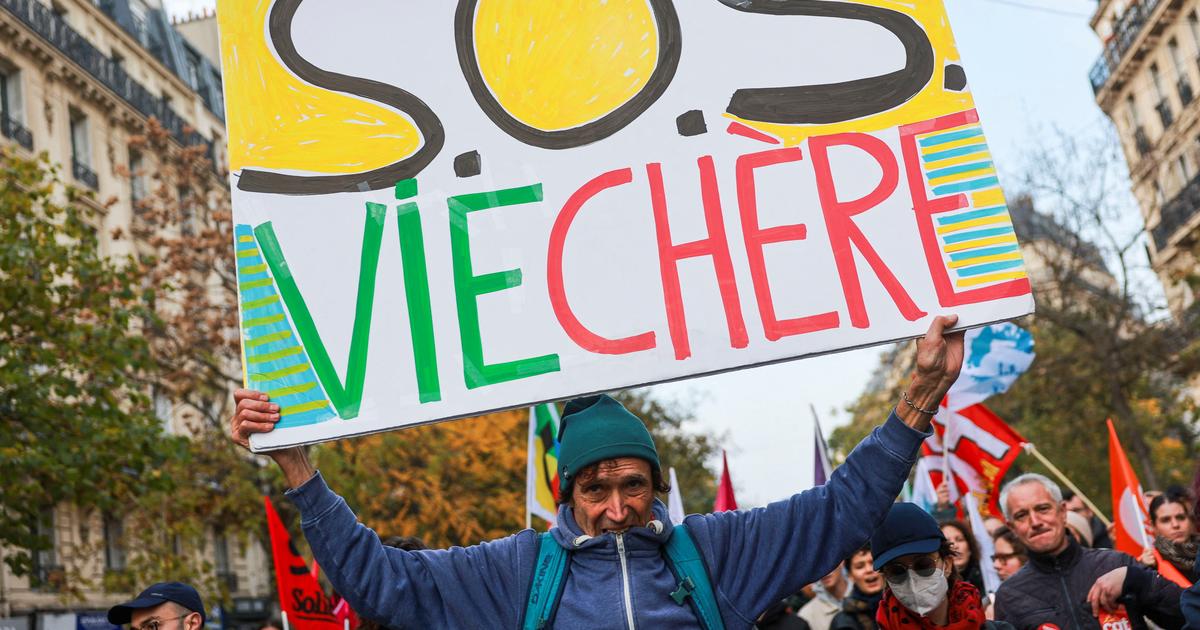
INTERVIEW - For the entrepreneur, the rise in gas and gasoline prices highlights the dropout of the middle classes, which fuels deep political anger. In his new essay, he proposes a pact to give them back purchasing…
Éric Hazan is an entrepreneur, professor at HEC and Sciences Po Paris. He has just published Do we want to sacrifice the middle classes? (publishing of the Observatory, 78 p.
, 6€). LE FIGARO. - Are the increases in gas prices (+5.8% as of December 1) and gasoline symptomatic of the “sacrifice” of the middle classes, particularly outside the metropolises, that you describe in this book?
Eric HAZAN. - Passing the ring road of the seven largest French cities, we enter a France which feels the downgrading much more keenly. The GDP per capita is lower there and the dependence on the car is much greater: these inhabitants often work in the metropolises without living there.
They live in medium-sized towns, far from major centers, and the car is their main means of transportation. Talking about fuel means talking about households who live on just a few hundred euros each month, and for whom this increase is a tipping point. Who are the middle classes today?
Can we agree on a definition? There are several. The simplest, and the most effective in my opinion, divides the population into three: around 30% working classes, 20% wealthy classes, and in the middle 50% middle classes.
Machine-translated from French
Not cross-checked yet
Only Le Figaro reports this story so far. We show it as a single source until another newsroom confirms it.
- Le Figaro25 Nov, 18:49
| Publisher Le Figaro (established tier) | +76 |
| Detailed summary | +2 |
| Total | 78 |
Method: reports are grouped by the words of their headline and summary; each newsroom counts once; figures are read from the reports as published. Nothing here is written by an AI.