‘We like to be first to be second’: How True Religion’s CEO is rebuilding the denim brand for Gen Z and millennials
Michael Buckley has remade the early-2000s premium-denim label with $59 jeans, bedazzled everything, and concerts.
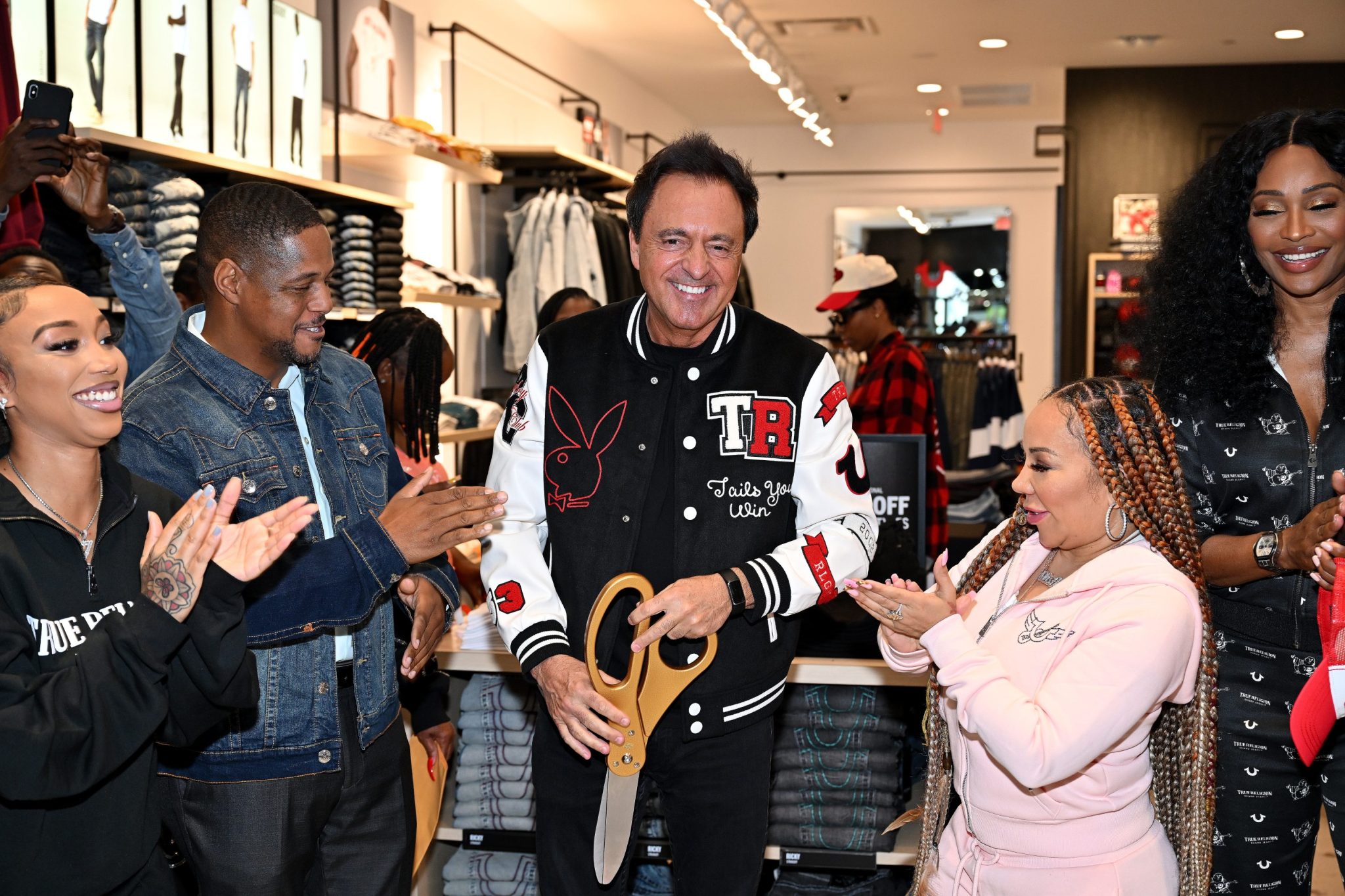
A pair of True Religion jeans never tried to be subtle. The stitching, the horseshoe on the back pocket, and the price tag all helped announce what someone was wearing. Michael Buckley, who led the brand during its premium-denim heyday, remembers the feeling that came with owning a pair: “Hey, I got my trues.”
Now that he’s back, he’s finding plenty of customers who still want their clothes to draw a little attention, and right now that often means sparkle. “We can’t have crystals on enough product here,” he told Fortune, listing T-shirts, hoodies, joggers, and jeans. At one store event, shoppers could even bedazzle their initials on the clothes. The appetite for standing out hasn’t changed, but what it costs has.
Today, Buckley is courting Gen Z and millennials with more affordable clothing, music partnerships, and in-store experiences, while letting go of something the brand once prided itself on: setting trends.
“We like to be first to be second,” he said. The idea is to catch a trend once it’s proven rather than start it, and give customers what they want “at the price they want.”
His team follows online conversations and changing styles, from baggy men’s jeans to low-rise women’s denim and crystals across categories. If it spots a trend it missed, he said, the company can make 300 pieces and have them arrive in two or three months.
“Years ago, we created the trend. We’re not creating any trends today. We are following the trends,” he said.
John Talbott, a retail expert with experience in business turnarounds and developing store brands, sees a business logic in letting someone else go first. New styles often start small, at high-end retailers or niche brands, and the volume comes later. For a brand now selling to a mass audience rather than early adopters, waiting for proof can be the safer bet.
True Religion’s original appeal belonged to an era when Paris Hilton and Jessica Simpson wore its conspicuously stitched , expensive jeans. The rise of cheaper fashion and athletic clothing subsequently put pressure on premium denim.
Today, the competition spans those categories: Piper Sandler’s fall 2026 teen survey found shoppers shifting toward nonathletic fashion, with retailers including American Eagle , H&M, Pacsun, Hollister, and Urban Outfitters collectively gaining ground.
For Buckley, adapting to that changing market began with recognizing how much True Religion’s own customer had changed. During his stint as president from 2006 to 2010, the company sold predominantly $200 and $300 jeans to affluent department-store shoppers with household incomes around $250,000.
When he returned in 2019, this time as CEO, research he commissioned within his first three months revealed a different audience: more diverse, mostly ages 15 to 45, with household incomes of roughly $65,000 to $85,000.
Not cross-checked yet
Only Fortune reports this story so far. We show it as a single source until another newsroom confirms it.
- Fortune25 Oct, 10:00
| Publisher Fortune (established tier) | +76 |
| Total | 76 |
Method: reports are grouped by the words of their headline and summary; each newsroom counts once; figures are read from the reports as published. Nothing here is written by an AI.