The real way to tell if Amazon’s AI spending is paying off
Investors focus on Amazon’s cloud business, but the most important indicator might lie in the company’s warehouses.
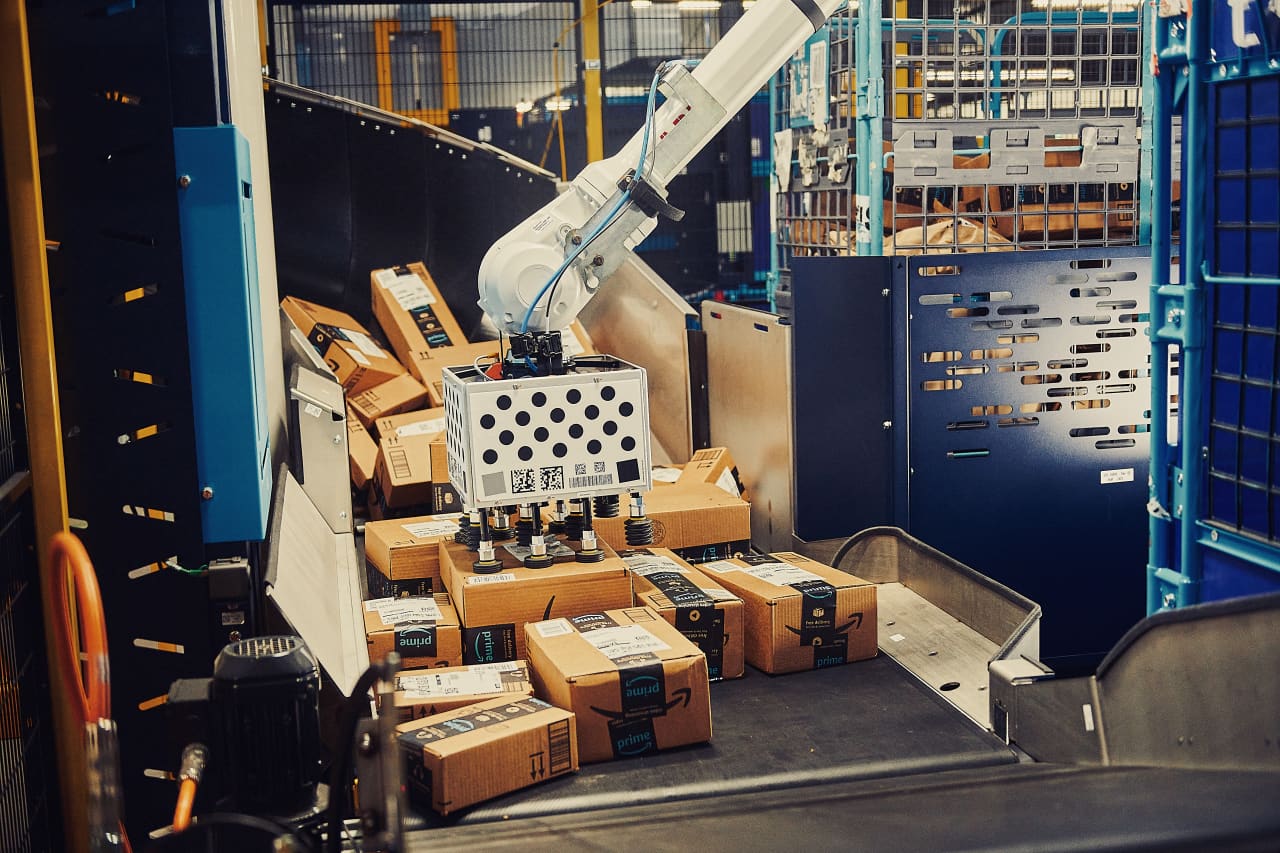
Amazon’s latest financial disclosures hint that the company’s push into artificial intelligence is already affecting the bottom line, but not in the way analysts traditionally look for. While investors have focused almost exclusively on Amazon Web Services’ (AWS) performance—as this cloud segment remains Amazon’s most lucrative, repeatedly generating double‑digit earnings margin growth—the real indicator of AI investment pay‑off may be found in the quieter, operational corners of the business: its global network of fulfillment warehouses.
Over the past few years, Amazon has poured billions into AI research and development, extending its machine‑learning capabilities across everything from recommendation engines to autonomous delivery. These investments, financed mainly through AWS, have undeniably amplified the company's digital footprint. Yet the major return on these outlays will be incremental efficiency improvements achieved through smarter inventory routing, predictive replenishment, and dynamic task allocation. When AI systems can better forecast demand surges or optimize package loads, each warehouse can reduce labor hours, lower energy use, and increase throughput without a proportional rise in operating costs.
This is particularly significant against a backdrop of rising freight rates and labor shortages that have plagued logistics providers worldwide. A demonstrable easing of cost pressure inside Amazon’s fulfillment operations would signal that the company’s AI strategy is delivering measurable margins benefits—a factor that could shift investor sentiment. Currently, many analysts benchmark Amazon’s AI outreach against its cloud peer activities, but a closer look at cost‑control metrics from the warehouses could yield a clearer picture of how quickly the company has translated research into revenue‑sustaining savings.
The stakes extend beyond Amazon itself. Because AWS acts as the primary source of the cash that fuels AI projects, any cost‑saving that widens AWS operating profit margins may strengthen the company’s competitive positioning against rivals such as Microsoft Azure and Google Cloud. Simultaneously, enhanced warehouse efficiency could improve Amazon Logistics’ profitability, potentially reducing its dependence on third‑party carriers and offering better pricing for aftermarket partners.
For market participants, the key indicators will likely appear in the upcoming earnings quarter. Financial watchers will look for commentary on whether AI‑driven transportation optimization or automated picking processes has begun to reduce the per‑unit cost of order fulfilment. Any mention of accelerated cost‑reduction targets, coupled with a broader outlook for AWS, will get close scrutiny.
Economically, the ripple effects might be subtle but meaningful. Lower domestic shipping costs could ease the overall price of iron‑men and consumer electronics, providing a modest boost to retail spending. Meanwhile, the ongoing development of AI in logistics could create new synergies across Amazon’s retail and cloud operations, bolstering long‑term scalability.
Not cross-checked yet
Only MarketWatch reports this story so far. We show it as a single source until another newsroom confirms it.
- MarketWatch28 Oct, 11:30
| Publisher MarketWatch (reference tier) | +82 |
| Total | 82 |
Method: reports are grouped by the words of their headline and summary; each newsroom counts once; figures are read from the reports as published. Nothing here is written by an AI.