In Germany, after marathon negotiations and several strikes, the powerful IG Metall union and employers agree on wage increases until 2028
The powerful German union IG Metall and employers' organizations concluded an agreement on Thursday providing for two wage increases of 2% and 2.3% in 2027 and 2028. A compromise found after several days of…
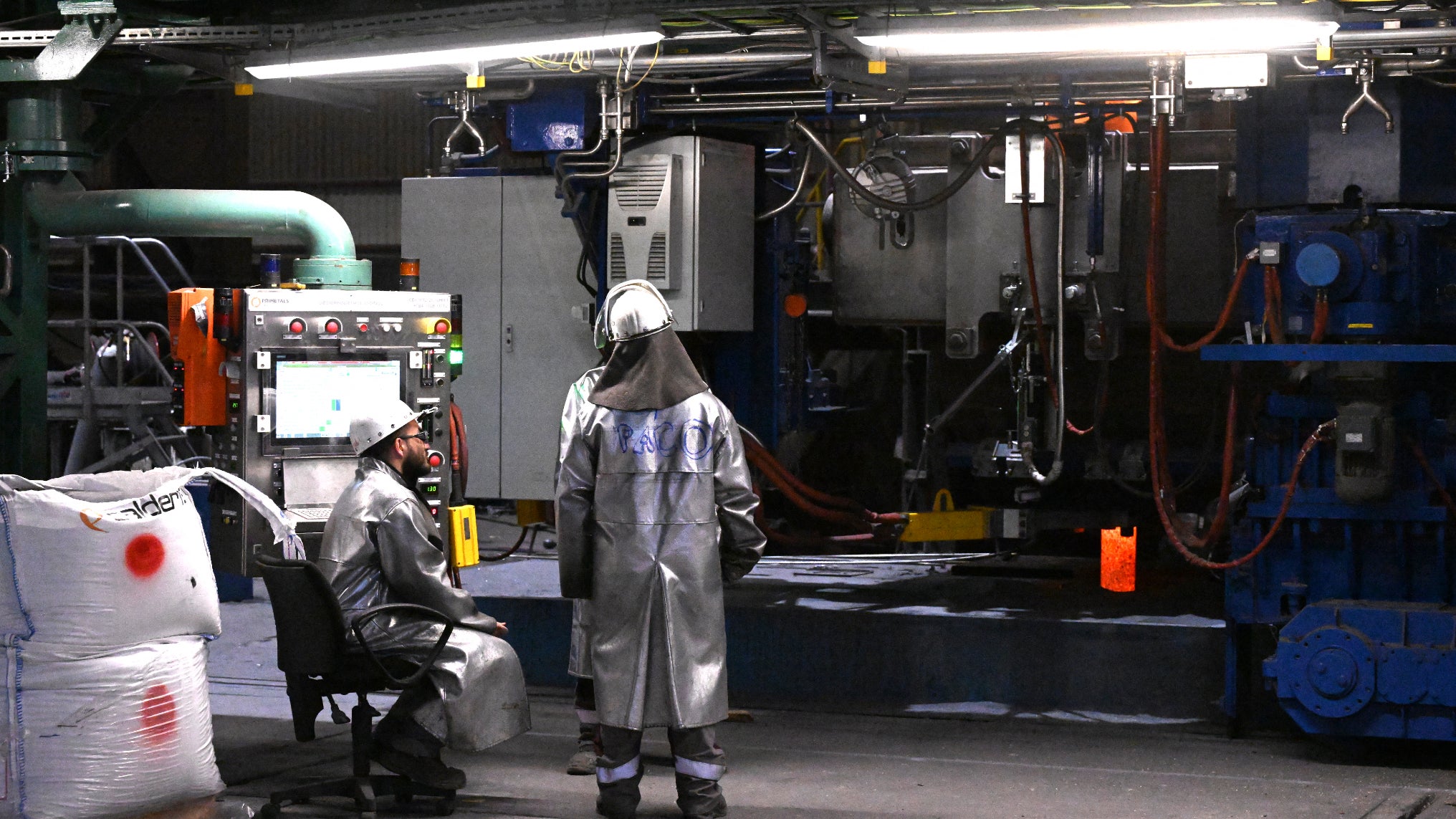
The powerful German union IG Metall and the metallurgical and electrical engineering employers concluded a wage agreement on Thursday providing for pay increases over two years, at the end of a marathon of negotiations carried out in a context of industrial crisis. According to the result of the negotiations presented by IG Metall in a press release, the employees concerned will benefit from an initial increase of 2.0% from May 2027, then 2.3% one year later, in April 2028. They will also receive, in March 2027, a single payment of between 150 and 450 euros, depending on the net turnover margin.
This salary agreement covers a period of 25 months, until the end of November 2028, said Gesamtmetall, the umbrella organization of employers' associations in the sector, in a separate press release. Unions and employers have also validated a mechanism allowing, according to Gesamtmetall, "to use tariff instruments to reduce costs in return for commitments in terms of investments, products or technologies offering long-term employment prospects" in Germany. A compromise under social and industrial pressure This agreement comes after two series of warning strikes which mobilized, according to IG Metall, nearly a million employees, and a marathon of talks lasting more than 24 hours in Mannheim, an industrial bastion in the south-west of the country.
This is a pilot agreement initially valid for two major industrial regions, but which must then apply to the entire country to the 3.7 million employees in the automotive, electrical and electronics, aeronautics and space, defense and mechanical engineering industries. IG Metall, which had demanded a 5% wage increase for a period of one year, welcomed through its president Christiane Benner "a solid agreement in stormy times". For its part, Gesamtmetall speaks of a “painful compromise on remuneration”.
"We are going to the limit of what is possible and, for some of our companies, perhaps even beyond", affirmed its president Udo Dinglreiter, satisfied on the other hand with the perspective agreement which can "contribute to securing jobs and sites". The annual negotiations were particularly difficult in 2026 due to the difficulties of part of the German industry, notably the automobile sector, facing Chinese competition. A week earlier, IG Metall threatened Volkswagen with a historic conflict after the manufacturer demanded a rollback of several social achievements to reduce its costs.
Machine-translated from French
Not cross-checked yet
Only BFM Business reports this story so far. We show it as a single source until another newsroom confirms it.
- BFM Business26 Nov, 20:24
| Publisher BFM Business (established tier) | +76 |
| Checkable figures cited | +3 |
| Detailed summary | +2 |
| Total | 81 |
Method: reports are grouped by the words of their headline and summary; each newsroom counts once; figures are read from the reports as published. Nothing here is written by an AI.