"Their model is partly based on social security": the eternal anxiety of spa towns hanging on budget cuts
RECIT – This year, as in the previous and even the one before that, the question of health insurance coverage for thermal cures is on the table in the 2027 Budget proposal. A perennial debate that reveals a fragile…
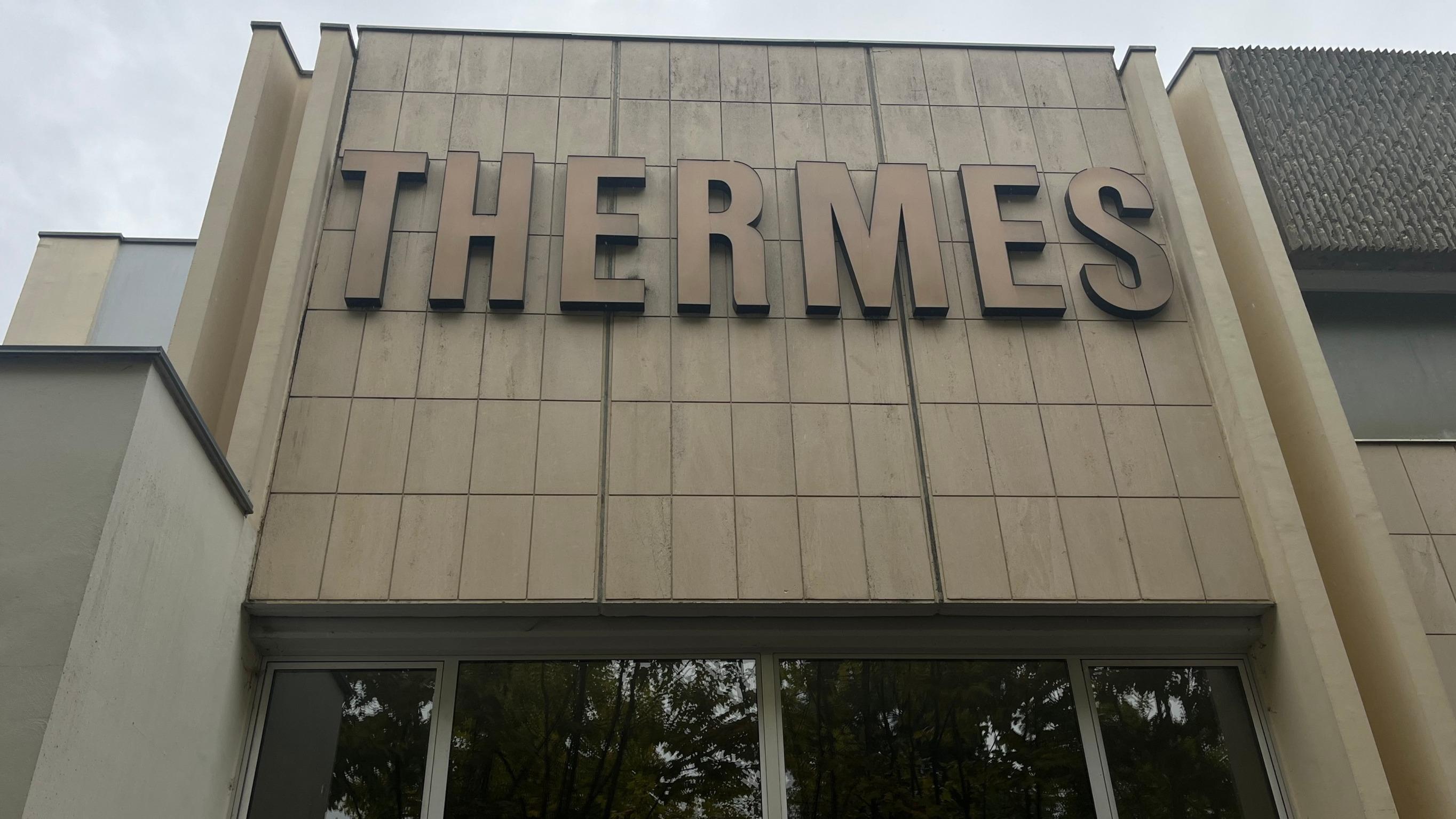
To find the Bourbonne-les-Bains thermal baths, go to Place des Bains. You have to follow rue des Bains, which runs alongside the tourist and spa office, not far from the large pink building of the Thermhotel. In this small commune in Haute-Marne, with less than 2,000 inhabitants, it is an understatement to say that everything revolves around its thermal establishment.
It owes its ten hotels, its restaurants and its long shopping street to its water, known for its benefits. “Miraculous”, “exceptional”, “oil” for those who know how to exploit it, according to the inhabitants who do not fail to say with pride that “even Platini came here”. This Tuesday, under a drizzly October sky, it is difficult to imagine any footballer here at the height of his glory.
The streets are deserted, the commercial premises have been looking for buyers for a long time, and a small handful of retired spa guests are patient in the humid heat of the thermal baths entrance hall. It is they who now hold the establishment together, and the establishment which runs the commune. So when, in its copy of the social security financing bill for 2027, the government proposes to transfer 200 million euros of coverage for thermal cures to complementary organizations, taking care not to specify the modalities, the whole city cowers under the potential effects of this announcement.
Machine-translated from French
Not cross-checked yet
Only Le Figaro reports this story so far. We show it as a single source until another newsroom confirms it.
- Le Figaro25 Oct, 09:30
| Publisher Le Figaro (established tier) | +76 |
| Detailed summary | +2 |
| Total | 78 |
Method: reports are grouped by the words of their headline and summary; each newsroom counts once; figures are read from the reports as published. Nothing here is written by an AI.