Southeast Asia needs more regulation and investments for its cultural industries to scale, says POPS Worldwide CEO Esther Nguyen
While listeners today embrace music from different countries, there’s still a way to go before Southeast Asia’s music industry can scale globally.
Open your TikTok or Instagram app and you’ll likely be greeted by short-form video content soundtracked by music from across the globe.
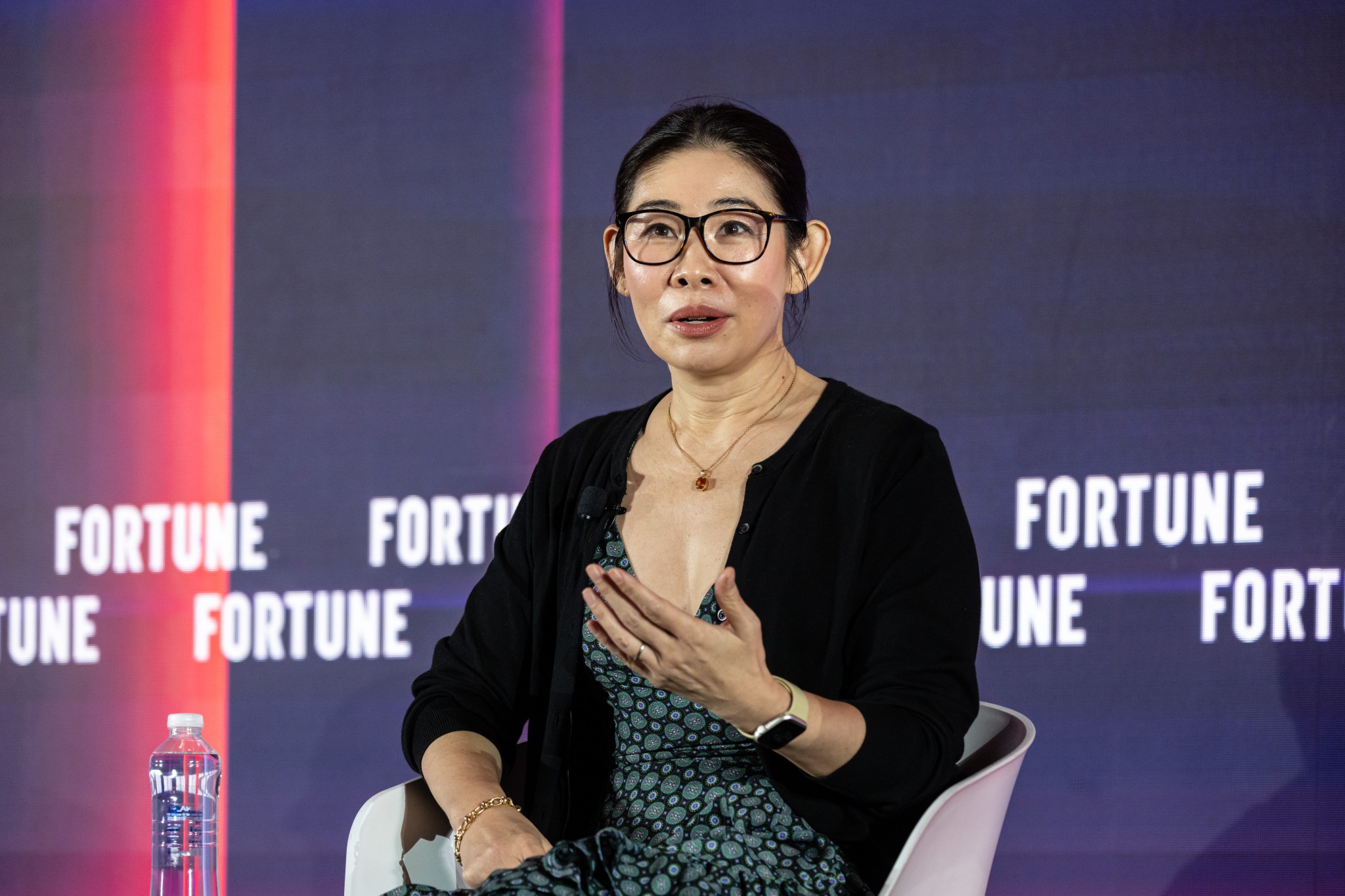
“Social networks have really democratized music , in terms of release, promotion and marketing so that anyone anywhere in the world can consume it,” said Esther Nguyen, CEO of Vietnam-headquartered entertainment firm POPS Worldwide, during the Fortune Southeast Asia 500 Summit in Vietnam on Nov. 3.
While listeners today embrace music from different genres and countries, Nguyen says there’s still a way to go before Southeast Asia’s music industry can scale globally.
“It’s a concerted effort, and South Korea has done it really well,” Nguyen explained. “[You’ll need] government regulations and policies supporting IPs, legal infrastructure and frameworks, international export support, and investments and financial incentives.”
“There needs to be a more robust investment community that are experts in entertainment and music,” she added. “L.A., New York and Tokyo, for example, [have] investors who are really well-versed in entertainment… an understanding of the industry really helps it to grow as well.”
The fragmented nature of Southeast Asian markets can also make scaling its music industry tough. “While I have personally invested in certain entertainment assets, including large theme parks and music streaming platforms, I think the biggest challenge is the fragmentation in Southeast Asia,” said Sujey Subramanian , the APAC head of asset manager ICG. “Our typical minimum equity check is $50 million, and it’s just hard to find assets of scale in the region.”
The panelists also discussed South Korea’s rise to become an entertainment powerhouse, debating which parts of the country’s playbook could be applicable to Southeast Asia.
“The first thing that was exported from Korea was K-culture. We’re talking about K-dramas and food, and then K-pop came up on the back of that,” said Kenny Ong, the managing director of Sony Music for Malaysia, Singapore and Vietnam. “For Vietnam and any other Southeast Asian countries, we can’t just push content, but [also] have to create demand for the culture.”
Parallel offerings, such as merchandise and live experiences like meet-and-greets and concerts, are also bumping up profit margins for artists. “ Physical music [products] are also growing [in popularity],” Ong added. “We’re talking about CDs, physical vinyls and box sets… In the past couple of years, they’re growing [in the] double digits.”
Southeast Asia can also further capitalize on the rising popularity of concert-going by upgrading its physical infrastructure. “We need venues which can host different sizes of tours… It’s not just venues which host 50,000 , we need mid-sized venues that hold 4,000 to 5,000, and smaller venues holding around 2,000, in order for artists in each country to grow and perform.”
Not cross-checked yet
Only Fortune reports this story so far. We show it as a single source until another newsroom confirms it.
- Fortune6 Nov, 08:16
| Publisher Fortune (established tier) | +76 |
| Detailed summary | +2 |
| Total | 78 |
Method: reports are grouped by the words of their headline and summary; each newsroom counts once; figures are read from the reports as published. Nothing here is written by an AI.