Audi boss criticized after announcement of construction of a factory in the United States during a Trump meeting
Audi CEO Gernot Döllner joined Donald Trump on stage at a campaign rally to confirm a planned factory in Georgia. A choice strongly criticized within the Volkswagen group, owner of the brand, and in the German press.
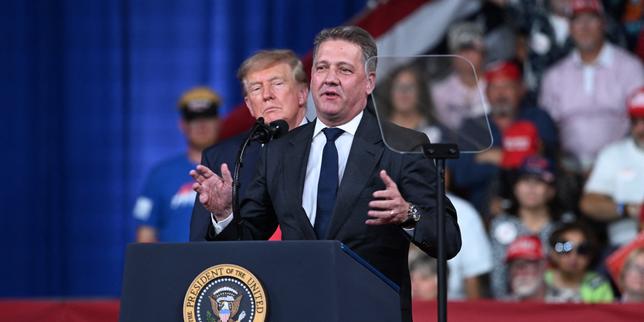
During a high‑profile appearance at a Donald Trump campaign rally in Georgia, Audi CEO Gernot Döllner confirmed that the brand would build a new manufacturing facility in the state. The announcement was made on the campaign stage following a brief photo opportunity and was meant to signal Audi’s commitment to expanding its North American operations as part of the Volkswagen Group’s global production strategy.
The decision to locate a new plant in Georgia comes at a time when Volkswagen is negotiating re‑balancing its supply chain and pushing for greater production of electric vehicles in markets that offer the most growth. For a German premium brand that has historically relied on a network of highly integrated, continental‑based factories, the move is a clear attempt to anchor its future in a country that has cultivated a politically favourable environment for manufacturing and a large, burgeoning automotive market.
Inside the Volkswagen Group, the announcement has sparked a sharp internal backlash. Senior executives have expressed concern that publicising the decision alongside a polarising American political figure could be perceived as a political gamble and might alienate some key stakeholders. Reportedly the group’s board has called for a more measured approach to the timing and public framing of the development, arguing that the brand’s global image must not be tainted by partisan politics.
In Germany, media outlets have reacted strongly, describing the move as a “political alignment that risks compromising the company’s commitment to a neutral stance.” Newspapers have framed the declaration as an example of the German luxury automaker prioritising political visibility over corporate prudence, raising questions about brand integrity and the potential impact on customer perception both domestically and abroad.
Market participants are watching the development closely, as any delay or complication in establishing the Georgia facility could affect the Volkswagen Group’s projected earnings growth and the wider German automotive sector’s ability to attract foreign investment. Analysts are currently re‑assessing risk factors tied to policy changes in the United States, the state’s manufacturing incentive packages, and the potential impact on supply‑chain negotiations with European partners.
The next few weeks will be crucial for both Audi and the Volkswagen Group. Corporate leadership is expected to release a formal project brief, outlining investment size, employment figures, and a production timeline. Additionally, the company will have to navigate a spectrum of regulatory approvals, both from U.S. state agencies and the federal government. Observers will monitor how the group’s board responds to domestic criticism, and whether external political forces influence the eventual pace and scale of construction.
Machine-translated from French
Not cross-checked yet
Only Le Monde reports this story so far. We show it as a single source until another newsroom confirms it.
- Le Monde26 Oct, 20:50
| Publisher Le Monde (reference tier) | +82 |
| Detailed summary | +2 |
| Total | 84 |
Method: reports are grouped by the words of their headline and summary; each newsroom counts once; figures are read from the reports as published. Nothing here is written by an AI.