Fuels: can we really believe in a drop in prices at the pump?
While the government announces the injection of strategic stocks to reduce prices by 12 to 18 cents per liter by November, caution remains required among motorists.
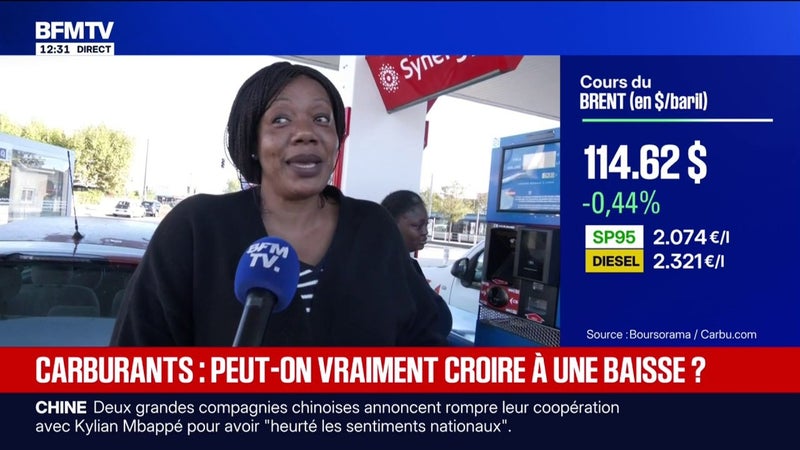
The French government has announced that it will inject an additional 500,000 barrels of strategic petroleum reserves into the market in an effort to temper the runaway rise in gasoline and diesel prices that has rattled motorists across the country. The move is expected to bring a reduction of 12 to 18 cents per litre at the pump by the end of November, a figure that arrives on the heels of a series of hikes in fuel taxes and a broader push to curb inflation across the Euro‑zone.
The injection will be drawn from the so‑called “stock stratégique de l’infrastructure de carburant” which contains a mix of refined products, primarily gasoline and diesel, intended to bridge supply gaps during periods of extraordinary demand or disruptions in the logistics chain. The 500 000‑barrel quantity represents roughly a fortnight’s supply for France’s estimated 2.5 million registered vehicles, and should provide a perceivable cushion to the national distribution grid as producers bring new inventories to the market.
While the 12‑18 cent reduction per litre is modest, it is nevertheless a signal that the government is looking to intervene in the market directly rather than relying solely on macro‑prudential policies or wage‑price controls. The change in supply is expected to ease the downward pressure that has been exerted on the price of refined products, which in turn should mitigate the escalation seen in the transport cost component of the consumer price index. However, the volatile nature of Brent and WTI benchmarks—along with the risk of supply shocks from OPEC+ or geopolitical events—means that short‑term price reductions can be difficult to sustain.
Motorists are urged to remain circumspect, as the benefit to the pump will be incremental and subject to a number of contingencies. The deployment of strategic stocks is contingent on logistical capacity, storage availability, and the willingness of bulk retailers to participate in the scheme. Even if the expected 12‑18 cent relief materialises, it may not be evenly distributed across the country and could be offset by higher processing costs or changes in taxation across the fiscal year.
Beyond the immediate consumer impact, the government's action is part of a broader framework aimed at stabilising an economy that has been reeling from high inflationary pressures. Lower fuel prices translate into reduced logistics costs for businesses, a small but meaningful boost to sectors such as freight, agriculture and retail, as well as a modest release of disposable income for households that may otherwise redirect spending towards high‑energy‑cost items.
On the horizon, analysts suggest that the state will still need to monitor both domestic and global oil supplies, as well as the evolution of the fiscal stance on fuel duties. A subsequent assessment of the strategic reserves in October will determine whether further injections will be required, and policymakers are likely to weigh the trade‑offs between a sustained price stability agenda and the long‑term energy transition goals that are already on many European governments’ agendas.
Machine-translated from French
Not cross-checked yet
Only BFM Business reports this story so far. We show it as a single source until another newsroom confirms it.
- BFM Business27 Oct, 12:41Fuels: can we really believe in a drop in prices at the pump? ↗Figures: 18 centimes
| Publisher BFM Business (established tier) | +76 |
| Detailed summary | +2 |
| Total | 78 |
Method: reports are grouped by the words of their headline and summary; each newsroom counts once; figures are read from the reports as published. Nothing here is written by an AI.