In 2026, they had only obtained +0.05%: before the opening of negotiations with distributors, the food industry hopes this time to achieve significant price increases
Agri-food manufacturers and distributors will meet this Monday in Bercy at the initiative of the government, a few weeks before the opening of annual trade negotiations.
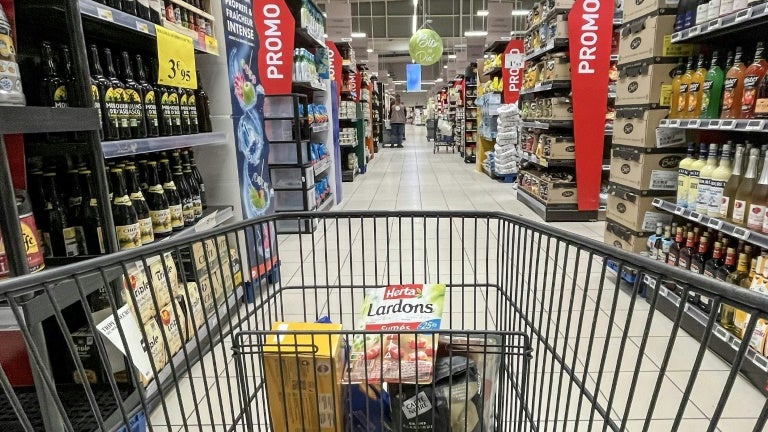
One month before the opening of the annual trade negotiations, the road already looks winding to the finish line. Every year, from December 1st to March 1st, distributors and food manufacturers hold fierce discussions which determine the prices of major brand products which are then found on supermarket shelves. These price negotiations regularly result in difficult – even heated – discussions between the two parties.
In view of the first discussions, the 2026-2027 edition will be no exception, in the wake of the war in the Middle East and the scorching summer which increased production costs. To try to clear the land, the government is bringing together representatives of distributors and manufacturers this Monday afternoon in Bercy for a preparatory meeting for negotiations – initially scheduled for October 28, it had been postponed due to the agenda of the two ministers concerned. The objective is to achieve a "pact of responsibility" and "balance" reconciling the issues of food sovereignty and purchasing power, had specified in advance the Minister of Commerce, Serge Papin, host of the meeting with his counterpart from Agriculture, Annie Genevard.
The exercise is delicate: even before the first date set for the meeting, the main distributors had threatened to boycott the meeting in Bercy, through the Federation of Commerce and Distribution (FCD). Referring to "non-negotiable prerequisites", she called for more "transparency" from manufacturers regarding the cost of agricultural raw materials and called for differentiated treatment for SMEs. Enough to arouse the anger of the agri-food sector, in turn accusing mass distribution of not taking into account the additional costs borne by companies because of the war in the Middle East.
"In medicine, before prescribing a treatment, we must agree on the diagnosis. On November 2, let's start by looking at the economic realities of our companies," said the president of La Coopération Agricole, Jean-Luc Duval, quoted in a press release on Friday. “Last year we experienced very difficult commercial negotiations”, the result of which was “not economically tenable” for the cooperatives, he assured, adding that the war in the Middle East and the summer heatwaves have since further increased the rise in production costs.
+0.05% on average in 2026 Manufacturers hope that the 2027 vintage will be better than the previous one. According to the results of the Annual Negotiations Observatory, manufacturers obtained an average price increase of 0.05% (all products combined) following the discussions concluded on March 1, 2026, far from the 3.5% that was demanded. Certain categories – salty groceries, fresh produce, drinks, dairy products – experienced a drop in net price between –0.3% and –0.5%.
Machine-translated from French
Not cross-checked yet
Only BFM Business reports this story so far. We show it as a single source until another newsroom confirms it.
- BFM Business2 Nov, 05:59
| Publisher BFM Business (established tier) | +76 |
| Detailed summary | +2 |
| Total | 78 |
Method: reports are grouped by the words of their headline and summary; each newsroom counts once; figures are read from the reports as published. Nothing here is written by an AI.