Eli Lilly takes the lead over its rival Novo Nordisk: the American laboratory obtains the first authorization in China for a GLP-1 weight-loss tablet
The American laboratory becomes the first pharmaceutical group to obtain the Chinese green light for an oral anti-obesity treatment based on GLP-1. A strategic advance in the second largest global pharmaceutical…
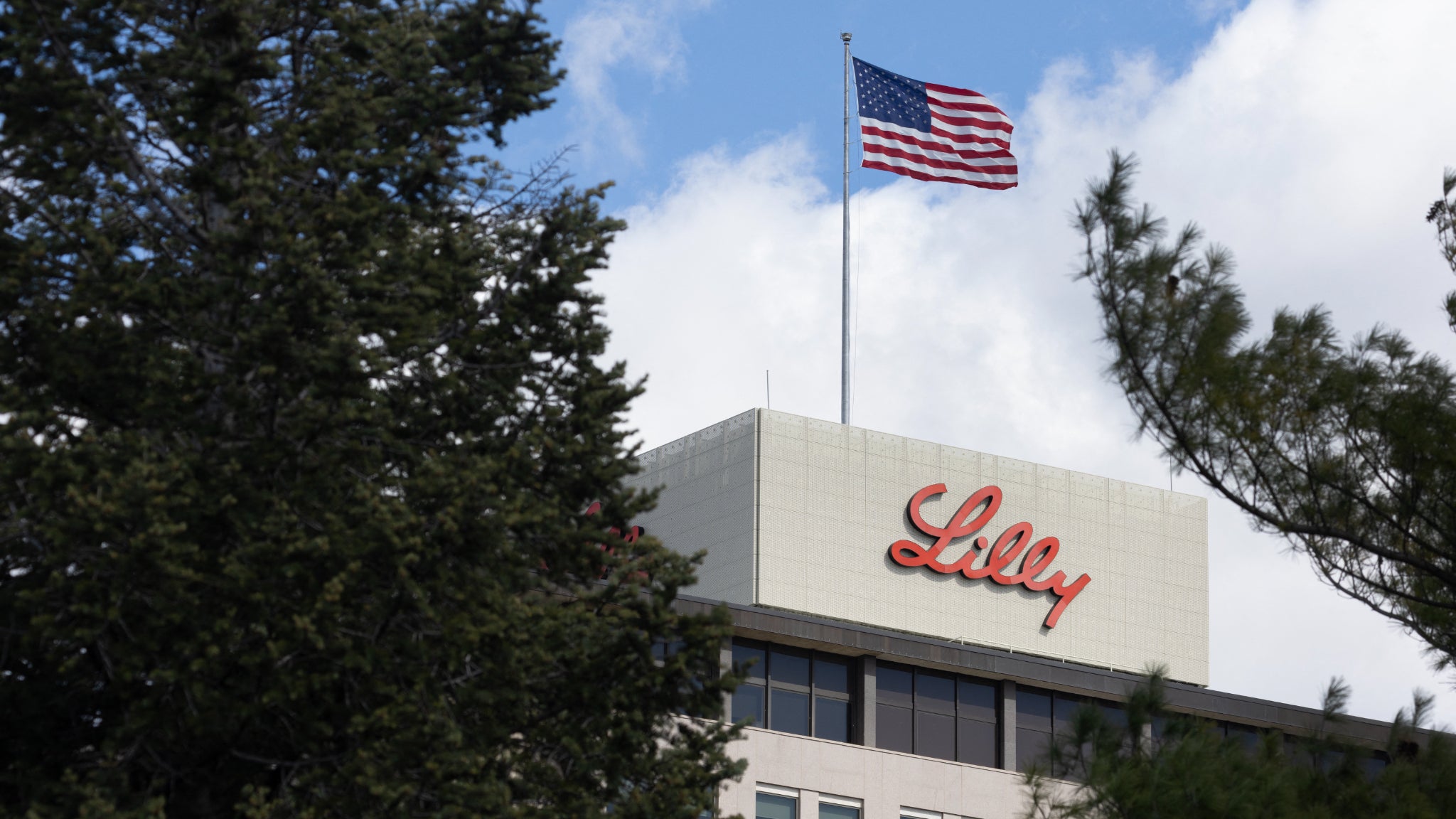
In the battle for the obesity market, Eli Lilly is getting a head start. After experiencing a slight delay in releasing its anti-obesity treatment in oral form, the American laboratory this Thursday became the first pharmaceutical laboratory to see a weight loss tablet based on GLP-1 approved in China, according to Reuters. The country is in fact the second largest pharmaceutical market in the world, allowing the American laboratory to overtake its direct competitor in this area, the Danish company Novo Nordisk, behind the famous Ozempic and Wegovy.
Until now, China had only authorized GLP-1 drugs in the form of injections for weight management. Lilly's tablet, orforglipron, will compete in the Chinese market with its own once-weekly injectable GLP-1 treatment, as well as competing shots from Novo, Pfizer and local company Innovent Biologics. As a reminder, GLP-1 class drugs mimic an intestinal hormone to reduce appetite and regulate blood sugar in diabetic patients.
Lilly believes that weight loss tablets could appeal to patients reluctant to resort to injections. 65% of people overweight or obese in China by 2030 Novo has also filed for marketing authorization in China for the oral version of its Wegovy injection, alongside other candidates offering experimental GLP-1-based diet pills, including Jiangsu Hengrui Pharmaceuticals and Huadong Medicine. Oral treatments account for about a third of obesity-related prescriptions in the United States since the launch of Novo's Wegovy tablet in January of this year, according to Novo presentations from September.
China's National Health Commission has indicated that the proportion of overweight or obese people in the country could reach more than 65% by 2030, up from around 50% in 2020. Annual sales of GLP-1 treatments for weight management in China could reach 30 billion yuan (4.05 billion euros) over the next five to seven years, up from an estimated range of 3 billion to 4 billion. yuan currently, according to forecasts by Yang Huang, head of China health research at J.P.
Morgan, reports Reuters. Lilly did not immediately respond to a request for comment regarding the price of orforglipron in China or its marketing date. What appeared to be a promotion for the drug was posted Thursday on a mobile app from Chinese e-commerce company JD.
com. A spokesperson for JD. com did not immediately respond to a request for comment.
Machine-translated from French
Not cross-checked yet
Only BFM Business reports this story so far. We show it as a single source until another newsroom confirms it.
- BFM Business12 Nov, 13:11
| Publisher BFM Business (established tier) | +76 |
| Detailed summary | +2 |
| Total | 78 |
Method: reports are grouped by the words of their headline and summary; each newsroom counts once; figures are read from the reports as published. Nothing here is written by an AI.