Episode #4 – COP: Anticipate, supervise, act: The COP, at the heart of customer trust
The Operations Center is a bit like an operator’s control tower. But in practice, what does it look like, and how does it protect businesses? With Jean-Marie Aries, director of operations at Free Pro. “Digital…
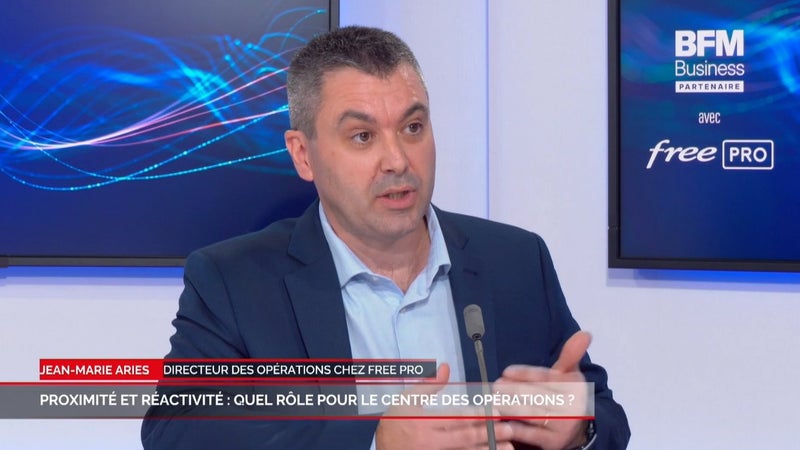
Episode #4 of Notitia’s series on customer trust focuses on the Operations Center, or COP, a modern equivalent of a control tower that is rapidly becoming essential for telecom operators and digital service providers. “Anticipate, supervise, act” is the operational mantra; it translates into a suite of real‑time monitoring tools, automated incident detection, and coordinated response playbooks that are designed to keep millions of users online without a single dropped call or lost payment transaction.
The COP is more than a collection of screens and alerts. In practice it is a hybrid of data science and human oversight. Data scientists feed predictive models that flag anomalies in network usage or security signatures, while trained operators interpret these signals and apply pre‑approved mitigation steps. The centre handles everything from traffic bottlenecks and device failures to fraud attempts and regulatory compliance checks. By acting before a problem becomes visible to the customer, the COP preserves service continuity and protects the brand’s reputation, a key component of customer trust.
The stakes for providers are high. A single, prolonged outage can trigger compensation claims, erode brand loyalty and invite regulatory scrutiny. On the other hand, a highly reliable and responsive COP reduces downtime, cuts operational costs through automation, and enables service engineers to focus on strategic improvements rather than firefighting. In an industry where margins are thin and competition is fierce, the average duration of a service outage has become a competitive differentiation metric that investors and customers alike watch closely.
Market observers see the COP as part of a broader digital transformation wave within telecommunications. The integration of machine learning, real‑time telemetry and a unified dashboard is reshaping traditional ITIL processes. While the initial investment in infrastructure and talent can be substantial, the long‑term pay‑off comes in the form of fewer service disruptions, higher customer satisfaction scores and a resilient network posture that can absorb the growing threat of cyber‑attacks and increasingly congested spectrum usage.
For consumers, the COP means fewer interruptions and a smoother experience across devices and services. For businesses, it signals a proactive stance on reliability and compliance, an increasingly important factor when navigating complex cross‑border regulations such as the GDPR and national data localisation laws. The collaborative architecture of many modern COPs also allows for shared intelligence with third‑party vendors and regulators, tightening the feedback loop between service delivery and policy enforcement.
Going forward, what to watch next is the scaling of COP capabilities into the cloud era. Operators are experimenting with hybrid‑cloud environments to achieve global visibility and elasticity, while AI‑driven orchestration promises near‑zero‑human‑intervention incident response. As the telecom sector continues to evolve, the Operations Center will likely shift from a defensive shield to an active enabler of new digital services, shaping not only how customers experience connectivity but also how firms innovate revenue streams and build resilient ecosystems.
Machine-translated from French
Not cross-checked yet
Only BFM Business reports this story so far. We show it as a single source until another newsroom confirms it.
- BFM Business26 Oct, 15:33
| Publisher BFM Business (established tier) | +76 |
| Detailed summary | +2 |
| Total | 78 |
Method: reports are grouped by the words of their headline and summary; each newsroom counts once; figures are read from the reports as published. Nothing here is written by an AI.