The price of gas will increase by another 6%, but then why do the French continue to install boilers rather than electric heat pumps?
The price of gas will increase again from November 1 for 6 million households in France. While one in three homes is heated with gas today, the transition to electric is still slow and suffers from several obstacles.
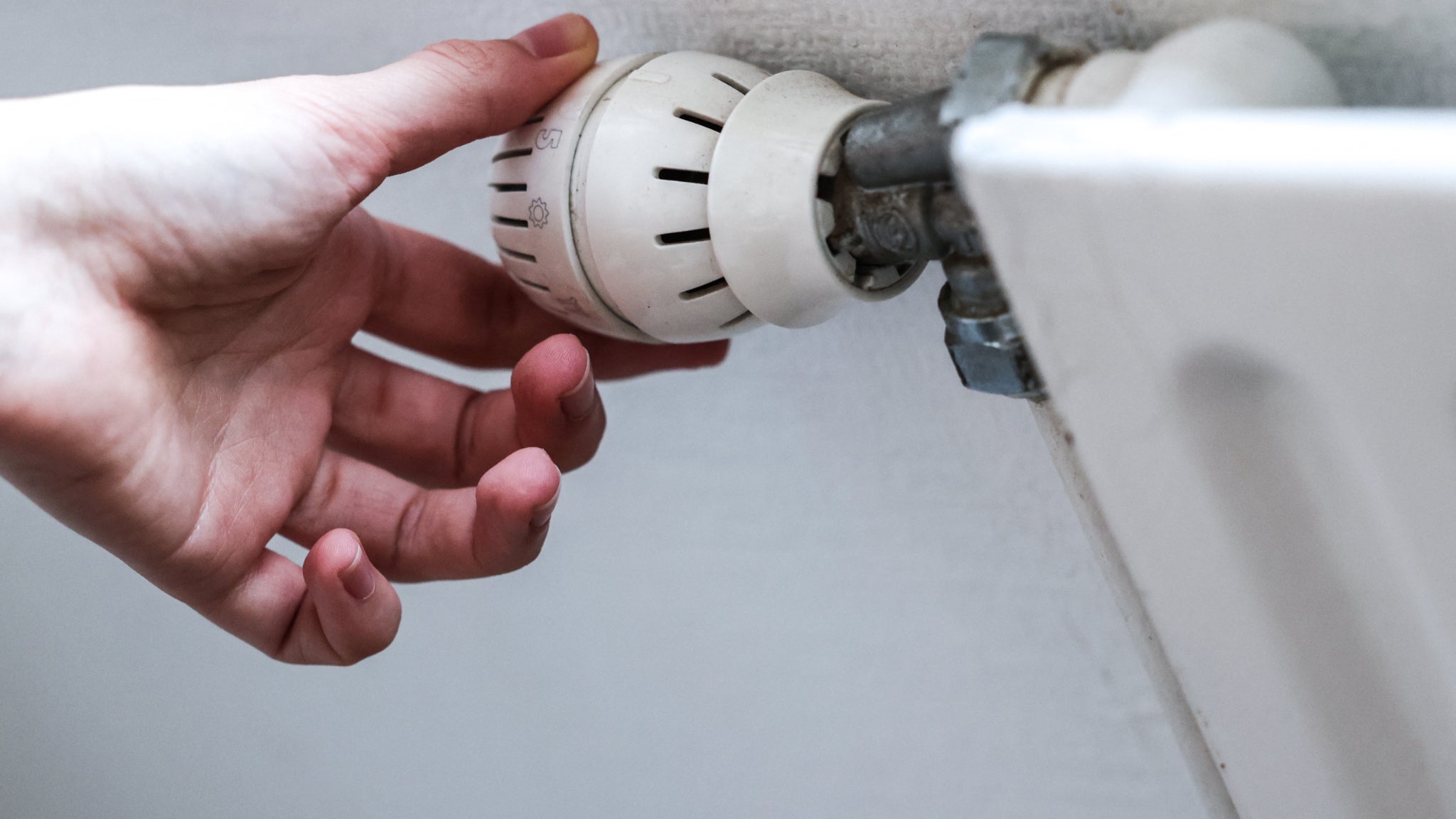
Inflation continues: the benchmark price of gas, which concerns two thirds of gas subscribers in France (i.e. around 6 million households), will increase again from Sunday November 1, this time by 6.6% due to continuing tensions on energy prices. This increase will be 12 euros more per month on average for the households concerned. It adds to a previous increase of 6.3% which occurred on October 1, after another of 5.6% at the beginning of September.
In total, the Energy Regulatory Commission estimates that the French gas bill should increase by 11% in 2026, if the situation does not deteriorate further, an increase of around 135 euros. Bad news at a time when households are starting to turn their heating back on with the arrival of cold weather. More than 1 in 3 homes is heated by gas in France. A large part of the housing stock is still connected to fossil fuels.
According to the latest INSEE study, in 2022, 35% of main residences were heated with gas in France, or more than 10 million homes out of a total of 30 million main residences. Around half of apartments are affected, compared to around a third of houses. The share of gas is slightly lower than that of electricity, which heats 36% of homes in France.
It is also much higher than that of fuel oil, which heats 8.5% (mainly individual houses). The rest comes from collective heating systems or “other energies”, such as biomass or wood. The transition of the park is still slow.
In 2025, the number of gas or oil boiler installations was still 2.3 times higher than the number of air-water heat pumps*, according to government data. * This excludes, however, air-air heat pumps, which do not heat with conventional water or electric radiators but with air, and which can also provide air conditioning in summer. A significant remaining burden Several elements are slowing down this transition.
There is, on the one hand, the subject of the installation cost: the price of a new gas boiler is around 5,000 euros today, compared to 15,000 euros for an air-water heat pump.
Aid does exist, however, but it is increasingly restricted. The "per gesture" route at the Ma Prime Rénov' counter finances, for example, between 3 and 5,000 euros of the cost of installing an air-water heat pump (depending on income level).
However, since September 1, heat pumps dedicated to domestic hot water (excluding heating) have been excluded. In the extensive course (which includes several “gestures” of work), this aid varies from 10 to 80% of the amount excluding tax of the work carried out, depending on income. They can often be supplemented by Energy Savings Certificates, financed by energy companies.
Machine-translated from French
Not cross-checked yet
Only BFM Business reports this story so far. We show it as a single source until another newsroom confirms it.
- BFM Business31 Oct, 11:32
| Publisher BFM Business (established tier) | +76 |
| Checkable figures cited | +3 |
| Detailed summary | +2 |
| Total | 81 |
Method: reports are grouped by the words of their headline and summary; each newsroom counts once; figures are read from the reports as published. Nothing here is written by an AI.