Prix des carburants : un décret en vue de la libération de stocks stratégiques de gazole publié au « Journal officiel »
Les distributeurs auront l’obligation de répercuter intégralement la baisse de prix. Cette répercussion peut avoir lieu par anticipation à compter du 1ᵉʳ novembre, selon le décret. Le gouvernement espère une baisse de…
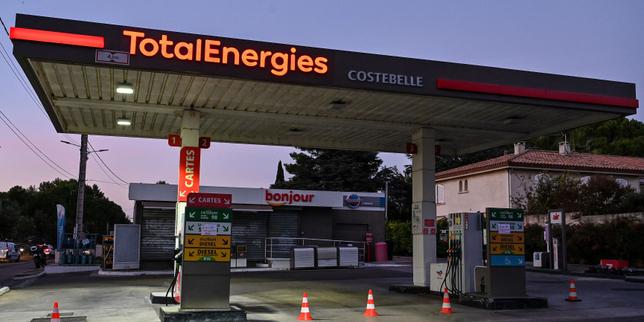
The French government has just published a decree in the *Journal Officiel* that will set the legal framework for a proposed release of strategic gasoline reserves, a policy aimed at easing fuel prices across the country. The measure, which takes its name from the longer French policy of strategic fuel stockpiles, stipulates that from 1 November distributors will be required to pass any discounts received on bulk diesel purchases entirely onto consumers. This anticipatory trigger allows fuel retailers to adjust their price books ahead of the formal release, providing a clearer window for market adjustment.
The backdrop to this decree is the recent volatility in global crude markets and sustained domestic pressure on the average consumer to keep fuel prices within reach. By linking the distribution of strategic stock to a mandatory price‑reduction mechanism, the government seeks to create a direct path for savings to reach the pump. The mechanism ensures that retailers cannot arbitrarily set their own prices or absorb the savings, thereby democratising the benefit across all consumers irrespective of their chosen fuel station.
Economists warn that while the decree is financially straightforward, its impact on the national fuel supply chain may be more complex. If the strategic reserves are released steadily over the winter months as the decree intends, it could dampen the incentive for fuel wholesalers to engage in hedging strategies, potentially altering their long‑term contracts with refineries. On the other hand, a smooth reduction in wholesale cost could forestall a rebound in retail prices that historically follows peaks in crude oil volatility.
From a fiscal standpoint, the policy represents a cautious approach. The government will still need to manage the balance sheet impact of the de‑stocking operation, as the sale of strategic reserves will bring cash into public coffers but also reduce the buffer against future fuel crises. Analysts will be watching how this maneuver aligns with the Eurozone’s broader directives on energy security, especially as the European Commission continues to push for coordinated actions to secure fuel supply during periods of geopolitical tension.
In the weeks ahead, the primary variables to monitor are the movement of the global oil benchmark prices, the pace at which ros Pas de cálculo. The French regulatory authority will also need to ensure that distributors comply with the new ‘full pass‑on’ rule, a task that may involve checking price‑disclosure systems and intervening in cases where retailers deviate from mandated rates.
Ultimately, the decree signals the French state’s commitment to social protection of the energy basket. By tying the relief directly to infrastructure stewardship, the government hopes to dampen fuel‑price spikes while maintaining the integrity of strategic reserves. As markets absorb these changes, stakeholders will be keen to see how the policy translates into passenger lorry fuel receipts and, ultimately, whether it will achieve its projected drop in retail fuel costs.
Not cross-checked yet
Only Le Monde reports this story so far. We show it as a single source until another newsroom confirms it.
- Le Monde24 Oct, 11:20
| Publisher Le Monde (reference tier) | +82 |
| Detailed summary | +2 |
| Total | 84 |
Method: reports are grouped by the words of their headline and summary; each newsroom counts once; figures are read from the reports as published. Nothing here is written by an AI.