From the “spread” to the “snowball effect”, these five cogs behind the very dangerous spiral of French debt
DECRYPTION - Warning signals are multiplying for French public finances. But how to interpret them? Le Figaro has deciphered five essential concepts to understand what is at stake.
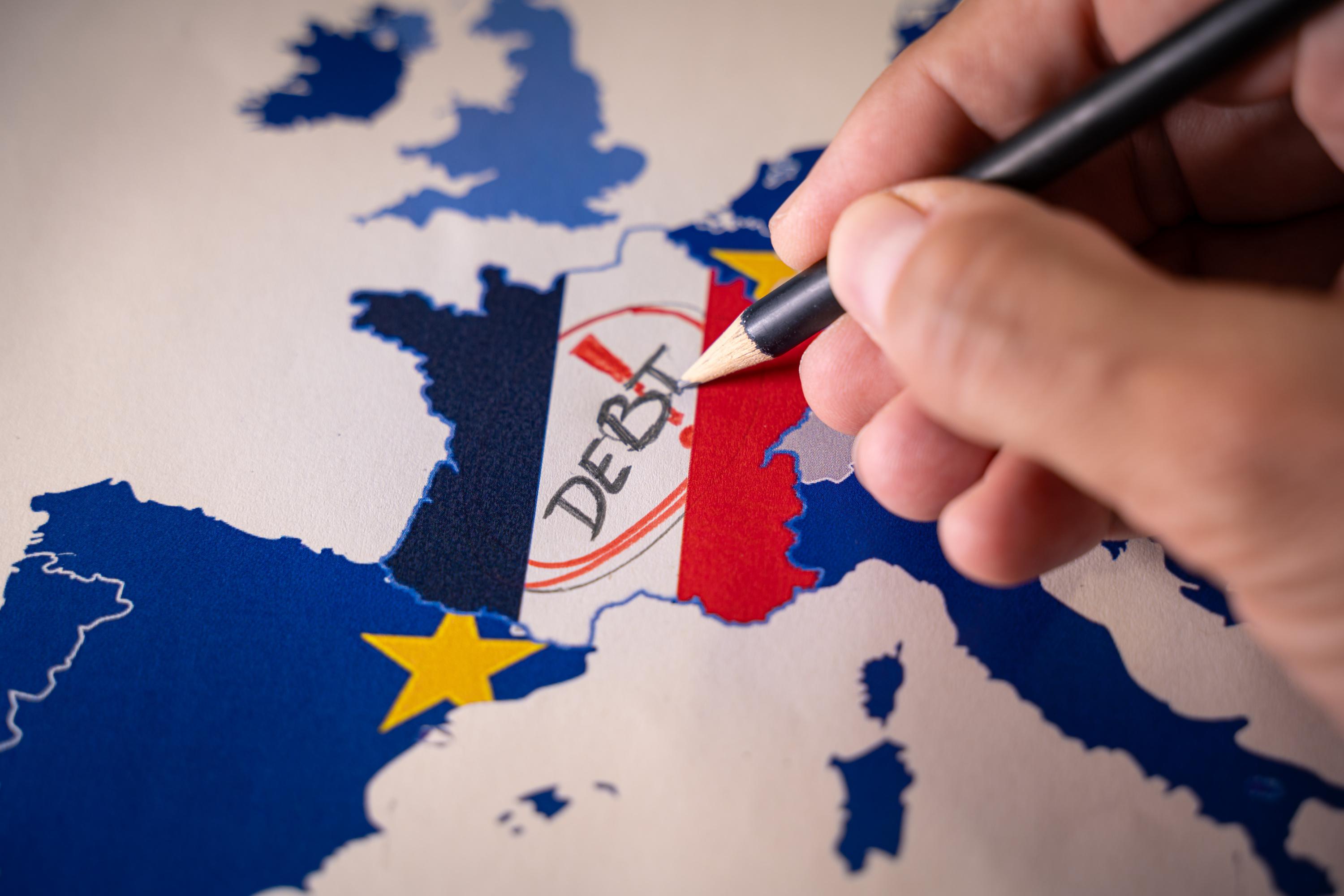
In the media, debt is everywhere, all the time. And for good reason, none of the major subjects that stir the news escapes it: budget, pensions, taxation, social system, ecological transition... Especially since in recent days, warning signals on the French debt have been piling up. On Wednesday October 21, France's ten-year borrowing rate crossed the symbolic threshold of 5% for the first time since 2002, rekindling fears of a financial crisis.
This Friday, October 23, the rating agency Moody's must in turn decide on the French signature, with bleak prospects for France. Never has French debt weighed so heavily on the future of the country. But behind the figures and alarmist statements lies a more complex reality, often difficult to decipher for the uninitiated.
Because debt has its own language: OAT, spread, rollover, snowball effect... So many essential concepts to understand how the State finances itself, why its debt always costs it more and to what extent it can constrain its budgetary choices.
Machine-translated from French
Not cross-checked yet
Only Le Figaro reports this story so far. We show it as a single source until another newsroom confirms it.
- Le Figaro23 Oct, 23:13
| Publisher Le Figaro (established tier) | +76 |
| Detailed summary | +2 |
| Total | 78 |
Method: reports are grouped by the words of their headline and summary; each newsroom counts once; figures are read from the reports as published. Nothing here is written by an AI.