UK taxpayer funds held in offshore tax havens top £1tn, latest HMRC data shows
Figures show recent 10% rise in total held in financial centres such as Jersey and Panama raising fears over cost to public purse The amount of money UK taxpayers hold in offshore accounts in tax havens has exceeded…
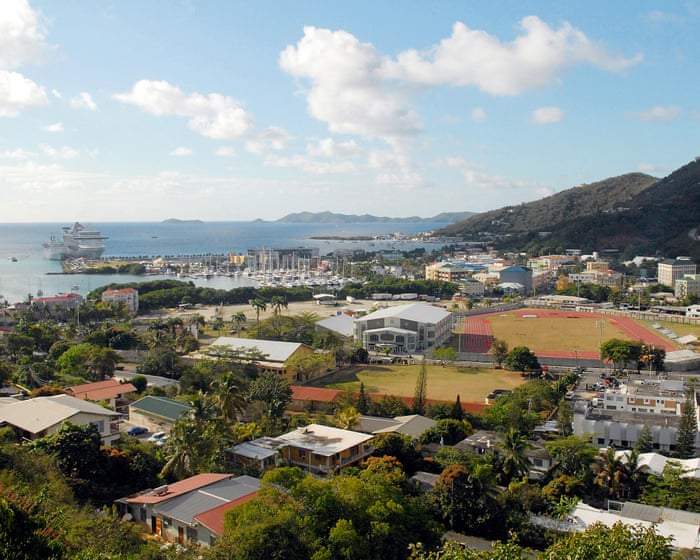
UK taxpayer funds held in offshore tax havens top £1tn, latest HMRC data shows Figures show recent 10% rise in total held in financial centres such as Jersey and Panama raising fears over cost to public purse
The amount of money UK taxpayers hold in offshore accounts in tax havens has exceeded £1tn for the first time, raising concerns about potential losses to the public purse.
HM Revenue and Customs (HMRC) data, obtained by the TaxWatch thinktank through freedom of information requests, shows between 2022 and 2024 the value of balances held offshore in tax havens increased by 10%. These were the latest available figures.
The list of tax havens represented in the HMRC data was based on one originally put together by academics from the EU Tax Observatory , and includes jurisdictions such as Hong Kong, the Isle of Jersey, Switzerland, Liechtenstein and Panama.
While much of the money in the offshore accounts will have been correctly declared to the UK’s tax authority, large sums are still proving hard to track down and claw back.
HMRC managed to secure an average of £125m in previously unpaid tax, interest on penalties, from offshore accounts – including those held in tax havens – each year, according to the data provided to the TaxWatch.
That is thanks to information shared through agreements such as the common reporting standard (CRS), which commits countries to exchanging information about foreigners’s bank accounts, as part of efforts to crack down on tax evasion and fraud.
However, HMRC previously estimated that £200m-£700m was going unpaid across all offshore accounts on average each year, according to a 2018 snapshot it provided.
And TaxWatch said about a fifth of offshore accounts owned by UK taxpayers were declared through the CRS system without a unique taxpayer identifier, which are meant to be gathered by the banks or financial firms that hold the accounts. That makes it difficult for HMRC to match undeclared accounts with individual taxpayers.
That has raised concerns about how much potential UK tax revenue may be disappearing via accounts held in tax havens, such as the British Virgin Islands and Bermuda, that are known for their low taxes and corporate secrecy.
HMRC announced plans to clamp down on wealthy taxpayers recently, including those who may be storing assets overseas.
That has involved assigning dedicated “customer compliance managers” to more than 200 billionaires , to help tackle a “wealthy tax gap” caused by those who do not pay what they should. HMRC estimates it could end up raising at least £500m towards a larger commitment to secure £10bn of additional tax revenues by 2030.
HMRC was grilled in July last year by MPs on the parliamentary public accounts committee over its lack of understanding of tax compliance by about 1.3 million wealthy taxpayers.
Mike Lewis, director of TaxWatch, said: “Last month’s budget brought the welcome announcement of a new HMRC plan to increase wealthy and offshore tax compliance. These new figures show that plan will require more resources, expertise and time.
“Much less unpaid tax is being recovered from offshore accounts than HMRC’s estimate of tax evasion in such accounts – an estimate which only covers accounts automatically notified to HMRC, and which UK taxpayers hold in their own names.
“That’s the lowest-hanging fruit. Most tax evasion happens behind much more complex structures.”
TaxWatch said HMRC had repeatedly postponed publishing estimates of all the tax going unpaid on offshore income and gains, leaving the public and government unable to properly benchmark the tax authority’s effectiveness in tackling offshore tax evasion and non-compliance.
An HMRC spokesperson said: “We’ve led the way in increasing global tax transparency, helping us tackle offshore tax risks and ensure everyone pays the right amount under UK law.
“We’ve already strengthened our approach by bringing together specialist expertise to take on the most complex offshore risks, and we’re deploying an additional 400 people to tackle wealthy offshore non-compliance by 2030.”
Not cross-checked yet
Only The Guardian reports this story so far. We show it as a single source until another newsroom confirms it.
- The Guardian22 Nov, 16:43
| Publisher The Guardian (reference tier) | +82 |
| Checkable figures cited | +3 |
| Detailed summary | +2 |
| Total | 87 |
Method: reports are grouped by the words of their headline and summary; each newsroom counts once; figures are read from the reports as published. Nothing here is written by an AI.