The Netflix layoffs reveal what corporate America is getting wrong
How a company lets people go shapes the people who stay, and a little dignity costs very little.
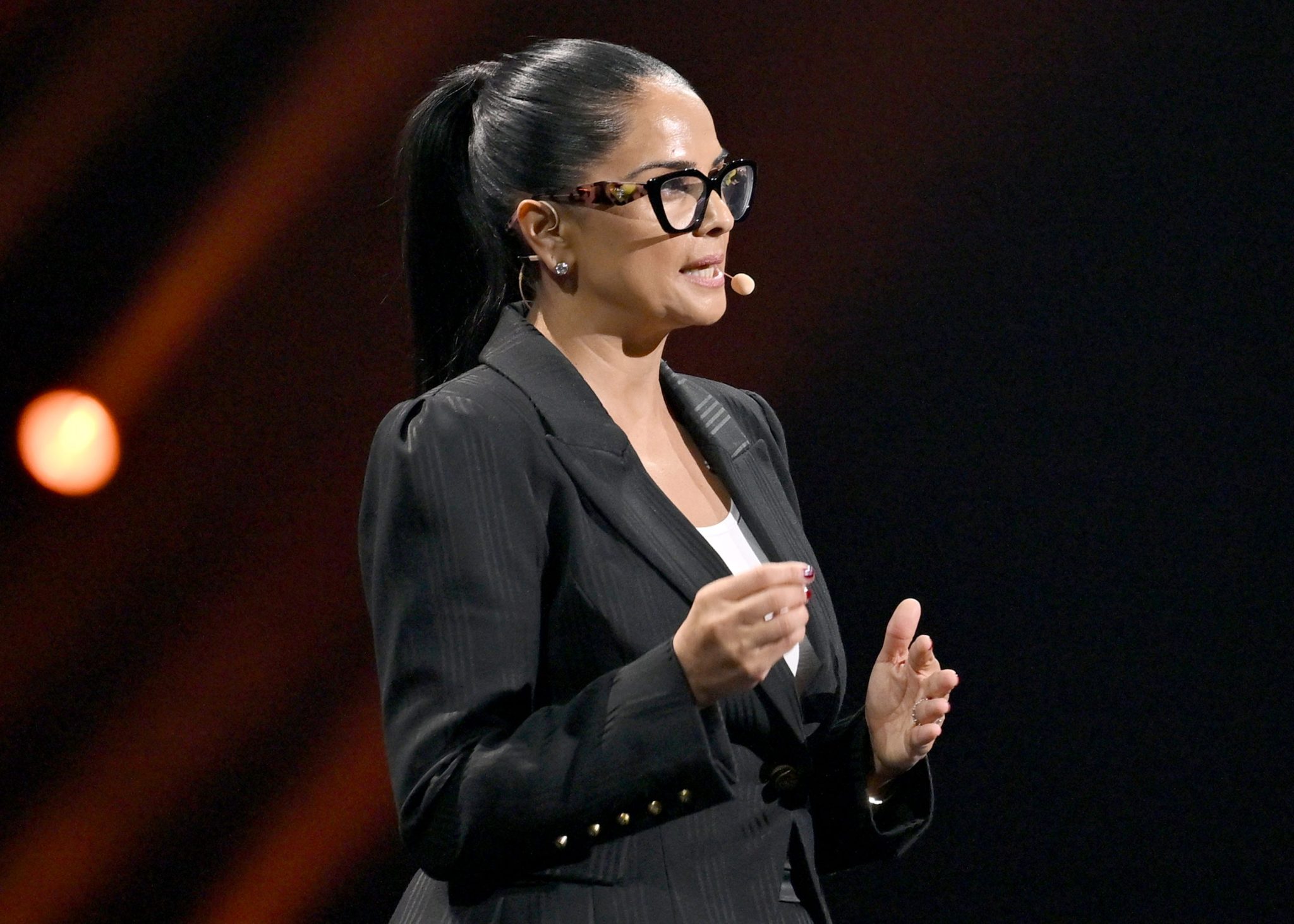
Last week, Netflix eliminated roughly 1,000 jobs and replaced its chief content officer, Bela Bajaria, who had spent years helping transform the streaming service into a global entertainment powerhouse. Netflix said Bajaria was “leaving” after nearly a decade. She wasn’t departing to “spend more time with her family” or to “pursue other interests.” Whatever the circumstances of her departure, she was out.
Donald Trump turned firing people into a catchphrase on The Apprentice . But somewhere along the way, corporate America seems to have turned that sentiment into a management philosophy. Her replacement, Peter Rice, knows the experience firsthand. In 2022, Rice was abruptly dismissed from his senior position at Disney by then-CEO Bob Chapek, reportedly catching himself and much of Hollywood by surprise. Only months later, Chapek himself was fired, learning of his own dismissal via a phone call at home hours before he was scheduled to introduce Elton John at a concert at Dodger Stadium that was being live streamed on Disney+.
In his recent memoir, Behind the Castle Walls , Chapek reflects on the painful end to his decades-long Disney career, including the absence of an opportunity to say goodbye to the employees he had spent years working alongside. Why, he wondered, did they have to be so cold?
Hollywood has always been a competitive, sometimes Machiavellian ecosystem. Executives come and go. Careers rise and fall. And nobody, regardless of their accomplishments, is entitled to lifetime employment. But when did treating people with dignity on their way out become such an inconvenience? To be fair, Netflix co-CEO Ted Sarandos publicly acknowledged Bajaria’s contributions. And companies have every right to change leadership when performance or strategy demands it. But there’s a difference between making a tough decision and making an unnecessarily harsh one.
Bajaria, of course, will be fine. But what about the roughly thousand other employees who lost their jobs? Perhaps corporate boards believe that decisive dismissals send a reassuring message to Wall Street. There’s something almost George Steinbrenner-like about it: We’re steely, resolute and not afraid to make tough decisions. Perhaps we’ve become so enamored with the notion of appearing tough that we’ve forgotten the value of being decent.
And to what end? Wall Street may reward companies for cutting costs. But there’s no market bump for being callous. And what about the longer-term implications for the businesses themselves? Think about the message an abrupt firing sends to the employees who remain. They watch someone who has dedicated years, sometimes decades, to an organization disappear almost overnight. What are they supposed to conclude? That loyalty matters? That their contributions will be remembered? That the company values them as individuals? Or that they, too, are ultimately completely disposable and that it’s just a matter of time.
Not cross-checked yet
Only Fortune reports this story so far. We show it as a single source until another newsroom confirms it.
- Fortune27 Oct, 13:30
| Publisher Fortune (established tier) | +76 |
| Total | 76 |
Method: reports are grouped by the words of their headline and summary; each newsroom counts once; figures are read from the reports as published. Nothing here is written by an AI.