“Almost all” American central bankers are considering a further increase in key rates, the Fed announces
The debates of the monetary policy committee of the American Federal Reserve (Fed), held at the end of October, converged in favor of an increase in key interest rates, against a backdrop of galloping inflation in the…
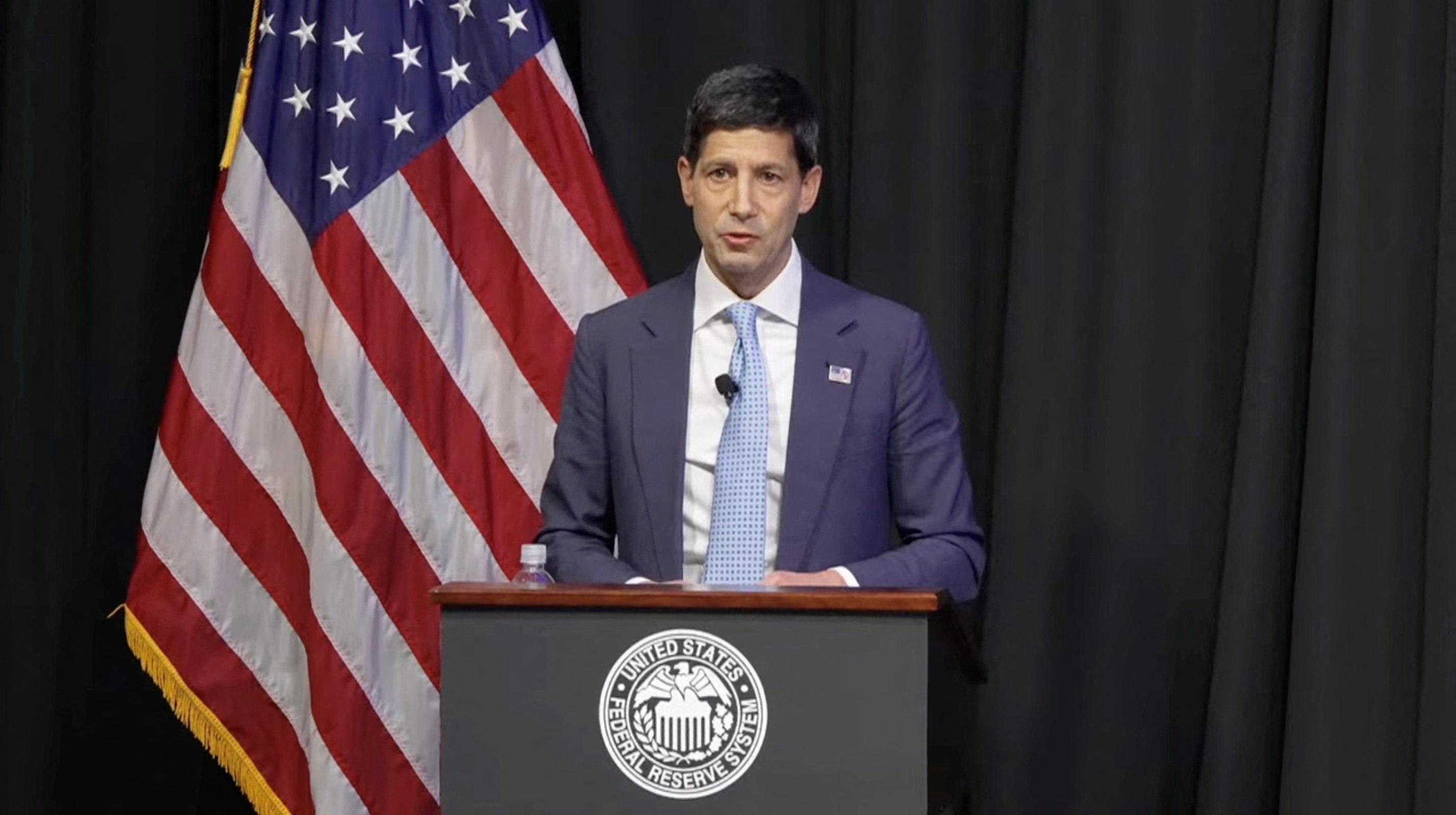
“Almost all” American central bankers believed at the end of October that it would “probably” be necessary to raise key rates in the future to calm inflation, according to a report of their debates published on Wednesday. At least one additional turn of the screw will be “likely appropriate”, it is reported in this document, called “minutes”, which traces the debates of the monetary policy committee of the American Federal Reserve (Fed), during the meeting of October 27 and 28. The central bank of the world's largest economy then opted for the monetary status quo (its rates have been between 3.75% and 4% since it raised them a notch in September).
Two officials opposed it, Governor Lisa Cook and Cleveland Fed President Beth Hammack, who wanted a quarter percentage point increase. Another official, Gov. Christopher Waller, voted with the majority but has since signaled he wants to raise rates by half a percentage point at once at the next meeting in early December. Tariffs and war in Iran "I'm very, very worried about inflation," he told economic channel CNBC on Wednesday morning.
“If we really want to bring it down, we must act decisively”, even if it means “struggling people”, he added. In other speeches in recent days, his colleagues seemed inclined to move at a more measured pace, a quarter of a point at a time. At FOMC meetings, 19 people share their observations on the U.S. economy, but only twelve vote.
The Fed is responsible for setting its interest rates - which guide borrowing costs - so that as many Americans as possible can have jobs in a low-inflationary environment. However, if unemployment remains low (at 4.1% in October), the price increase was 3.6% in September, according to the PCE index favored by the Fed, which targets 2%. This goal has been missed for more than five years.
Inflation was revived by the customs duties put in place by President Donald Trump, then the disruptions in the energy market linked to the war in Iran that he triggered. During their discussions, central bankers also widely mentioned price pressures linked to the rapid development of artificial intelligence (AI) in the United States.
Machine-translated from French
Not cross-checked yet
Only Le Figaro reports this story so far. We show it as a single source until another newsroom confirms it.
- Le Figaro18 Nov, 20:34
| Publisher Le Figaro (established tier) | +76 |
| Detailed summary | +2 |
| Total | 78 |
Method: reports are grouped by the words of their headline and summary; each newsroom counts once; figures are read from the reports as published. Nothing here is written by an AI.