China and Russia have hypersonic missiles. This $13 billion startup wants the U.S. to catch up
In 2022, Bryon Hargis, Andrew Kreitz, and Sean Pitt - all previously SpaceX executives - cofounded Castelion to help close America’s hypersonics gap. The company’s now valued at $13 billion.
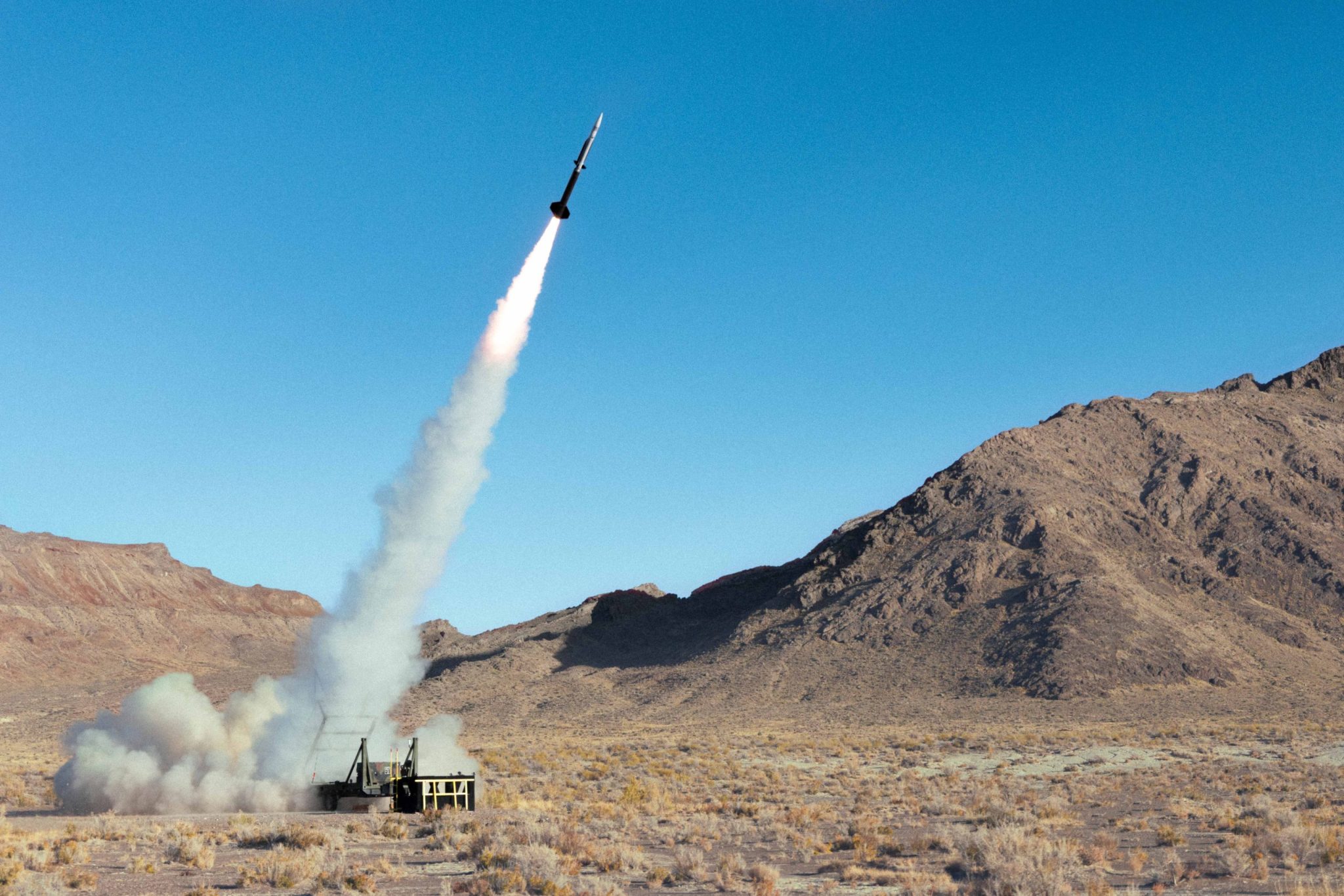
For the last couple of months, when someone asked what I was working on, I’d mention in passing “a hypersonics startup,” and almost always got stopped: Wait, roll that back.
The startup is Castelion, based in Torrance, Calif. and working to produce and scale low-cost hypersonic missiles. The term “hypersonic” may have a sci-fi ring to it, but the technology is very real, and there are many reasons to pay attention. As I write at the top of the feature published this past weekend :
The first thing to know about hypersonic missiles is that they’re air-rippingly fast.
A hypersonic missile, definitionally, moves at least at Mach 5, or five times the speed of sound; one could cross the U.S. coast to coast in under 45 minutes. Unlike ballistic missiles, hypersonics are maneuverable and unpredictable to watchers, with an uncanny ability to fly low, change course, and skirt radar.
The second thing to know about hypersonics is that China and Russia have them, and the U.S. doesn’t—not really. It’s not for lack of trying: Despite years of research costing billions and some successful tests, the U.S. has yet to fully field a hypersonic missile of its own due to testing complications and production issues . The tech’s been around, but it’s been expensive and difficult to produce at scale.
That’s the chasm that startup Castelion, valued at $13 billion, is betting it can close, even if the defense giants have so far fallen short. “Humans have done it, just not Americans,” says Castelion CEO and cofounder Bryon Hargis. “I firmly believe it’s doable.”
In 2022, Hargis, Andrew Kreitz, and Sean Pitt—all previously SpaceX executives—cofounded Castelion to help close America’s hypersonics gap. And the beginning was comically unpromising, a reality the three founders remain unflinchingly honest about. An example, from the story:
In 2022, as Hargis, Kreitz, and Pitt were just getting started, they presented to the Defense Innovation Unit, the Pentagon’s tech acceleration division. It didn’t go well. “It was the tailish end of COVID,” said Pitt. “So, it was a video presentation, and we explained ‘we’re here to make low-cost missiles.’ They asked: ‘Are you going to compete with Lockheed?’ We said yes, and it was not a little laugh. There were a good number of people laughing.”
Not anymore. Now, Castelion is valued at $13 billion and ranks easily among the most valuable defense upstarts in the world. The company’s also at the end of the beginning: With a notable customer in the U.S. Navy (and the program of record to match), Castelion is barreling towards 2027 with a strong need to ramp up and speed up—for the business and to meet a wildly unpredictable geopolitical landscape.
Not cross-checked yet
Only Fortune reports this story so far. We show it as a single source until another newsroom confirms it.
- Fortune3 Nov, 11:56
| Publisher Fortune (established tier) | +76 |
| Checkable figures cited | +3 |
| Detailed summary | +2 |
| Total | 81 |
Method: reports are grouped by the words of their headline and summary; each newsroom counts once; figures are read from the reports as published. Nothing here is written by an AI.