La librairie de l'éco - Samedi 24 octobre
Ce samedi 24 octobre, Jean-Marc Daniel, professeur émérite à l'ESCP, Christian Chavagneux, éditorialiste à Alternatives Économiques, David Baverez, investisseur, essayiste et conférencier, Sandrine Zerbib, fondatrice…
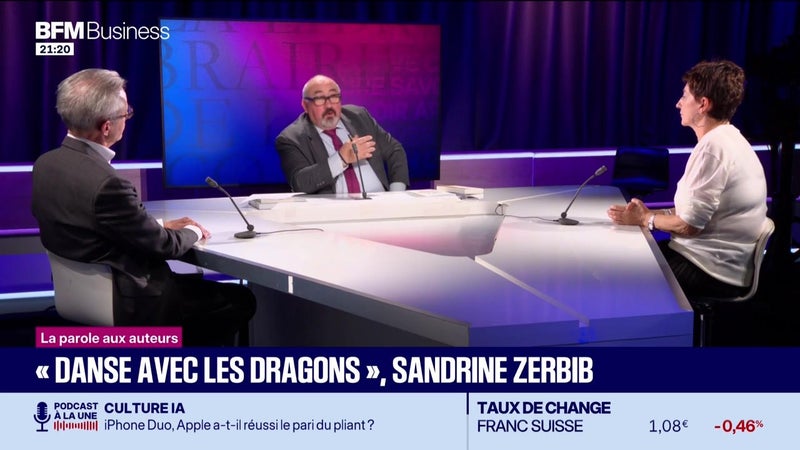
The sixth instalment of the ‘La librairie de l’éco’ series, titled *Librairie de l’éco – Saturday 24 October*, was held on Wednesday evening at the heart of the Parisian business district. The event, organised by BFM Business in collaboration with a coalition of leading French economists, was billed as a public “book club”‑style panel where theory and practice would collide around the same central theme – the current trajectory of European macro‑policy and its implications for business, finance and social cohesion.
The panel was anchored by four prominent figures. Jean‑Marc Daniel, the emeritus professor of economics at the Business School ESCP, was invited to unpack the evolving financial architecture of the Eurozone and assess its sustainability in the wake of the pandemic recovery package. Christian Chavagneux, a long‑time editorialist at the left‑leaning economics journal *Alternatives Économiques*, was slated to critique contemporary policy frameworks from a historically sensitive perspective. David Baverez, a well‑known investor, essayist and frequent conference speaker, was expected to offer a market‑oriented lens – especially on risk perception and the role of capital markets in underpinning growth. Finally, Sandrine Zerbib – founder of an emergent fintech platform that specialises in SME financial inclusion – would bring a start‑up viewpoint to the conversation, touching on the challenges of scaling innovative finance under restrictive regulatory regimes.
It was clear that the programme was designed to stimulate an interdisciplinary dialogue between academics, policy analysts and market participants. Since the unprecedented fiscal outlays of 2020‑2021 and the subsequent policy debate on debt sustainability, European policy makers have been negotiating a path that balances growth, fiscal prudence and social equity. The panel, therefore, was seen as an opportunity to reassess the long‑term viability of the Eurozone’s monetary strategy, discuss the potential for fiscal transfers and explore how non‑bank financial intermediaries can bridge remains gaps in the corporate capital markets.
The stakes for market observers are significant. Insights from Jean‑Marc Daniel on the trajectory of interest rates and the durability of fiscal rules could influence long‑dated debt pricing, while Christian Chavagneux’s critical stance on policy design may sway public opinion and pressure elected bodies. Meanwhile, David Baverez’s views on equity valuations and risk‑adjusted returns are likely to affect asset‑allocation decisions, and Sandrine Zerbib’s discussion around fintech’s role in SME finance may shape expectations for the next wave of capital‑raising vehicles.
In terms of next steps, the event will be available for on‑demand viewing on BFM Business’s streaming platform, providing a resource for practitioners who could not attend the live session. Venue organisers have already announced the second instalment for the following month, with a focus on the fiscal implications of digital transformation, signifying a continued attempt to frame economic debates within a policy‑relevant context. For investors and academics alike, the conversation offers a critical update on policy currents that could affect portfolio strategies, regulatory forecasting, and the broader appraisal of the Eurozone’s economic health.
Not cross-checked yet
Only BFM Business reports this story so far. We show it as a single source until another newsroom confirms it.
- BFM Business24 Oct, 22:53
| Publisher BFM Business (established tier) | +76 |
| Detailed summary | +2 |
| Total | 78 |
Method: reports are grouped by the words of their headline and summary; each newsroom counts once; figures are read from the reports as published. Nothing here is written by an AI.