Airbnb CEO Brian Chesky says ‘founder mode’ cost him almost his entire executive team: ‘They left or they didn’t want to work for me’
Chesky was a natural founder but a “terrible CEO,” he said, and fixing that meant losing executives who wouldn’t adapt.
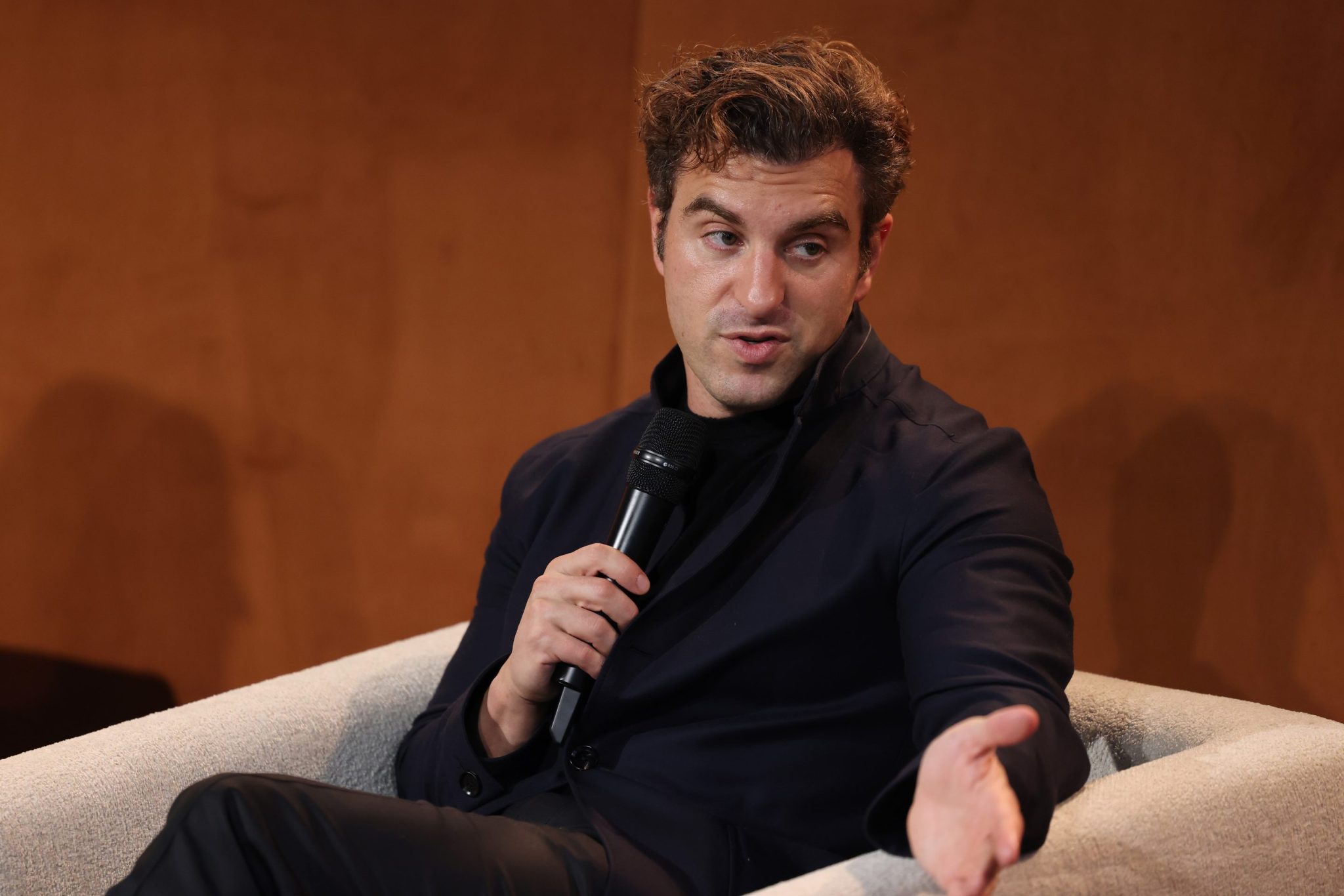
Long before he cofounded Airbnb—the now-$105 billion short-term rental platform—in 2008, Brian Chesky was practicing being a founder as a kid—designing things, disassembling Christmas toys, and persuading friends to buy what he was selling. By the time he started a company, he figured he’d been preparing for the job his whole life, with 20 years of founder experience under his belt. Stepping into the CEO role, however, was a different matter.
“I think I was pretty much naturally a great founder, and I was naturally a terrible CEO,” Chesky told Guy Raz on Monday’s episode of How I Built This .
As Airbnb grew, Chesky said he followed advice to hire experienced executives, trust their judgment, and give them room to work. But when he rejected that approach and took a more hands-on role, he was met with resistance.
“Almost the entire exec team left,” Chesky said, adding that the departures happened eventually. “They left or they didn’t want to work for me.”
The longtime CEO wasn’t looking to win over everyone—just 10 people willing to serve on his executive team and see whether working his way produced results.
That approach later became known as “founder mode.” Y Combinator cofounder Paul Graham popularized the term after hearing Chesky speak at an event for the startup accelerator. In a September 2024 essay , Graham challenged the idea that founders must hand off the details as their companies grow, arguing they should stay involved with employees beyond their immediate reports.
Chesky began changing how he ran Airbnb in 2020, four years before Graham’s essay, as the COVID-19 pandemic disrupted the company’s IPO plans and sent revenue down 72% . He turned to former Apple designer Jony Ive, who told him: “You don’t manage people. You manage people through the work.” He then took a page from Apple cofounder Steve Jobs’ playbook and cut layers of management.
For Chesky, that meant bringing the employee doing the work and the managers above them into the same meeting. Everyone could make a recommendation, and he could make the final decision without sending an idea through several rounds of signoffs.
In August 2025 , Chesky said he treated roughly 50 employees as direct reports, weighing in on decisions to hire, fire, promote, and manage them.
Taking a more hands-on role meant breaking some old habits. Chesky said he often listened to executives with far more experience than he had, even when their advice ran counter to his instincts.
Not cross-checked yet
Only Fortune reports this story so far. We show it as a single source until another newsroom confirms it.
- Fortune4 Nov, 19:38
| Publisher Fortune (established tier) | +76 |
| Detailed summary | +2 |
| Total | 78 |
Method: reports are grouped by the words of their headline and summary; each newsroom counts once; figures are read from the reports as published. Nothing here is written by an AI.