It is the glasses, dental prostheses, hearing aids and excess fees that weigh heavily: patients have an average annual out-of-pocket cost of 150 euros (but the bill rises to 910 euros for 10% of the population)
In terms of health, the French bear an average annual out-of-pocket cost of 150 euros, mainly linked to medical equipment (optical, dental, hearing aids) and excess fees, but this amount reaches or exceeds 910 euros…
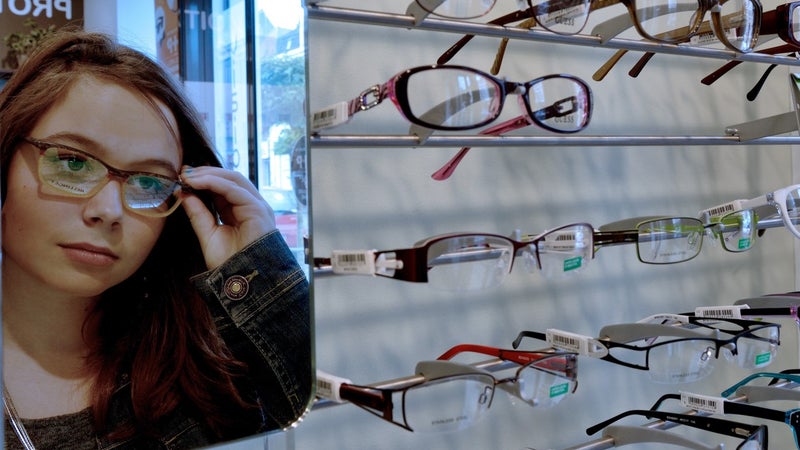
Glasses, dental and hearing aids and excess fees weigh heavily on the French health budget. linked to medical equipment (optical, dental, hearing aids). According to a study by Drees, the statistical service of social ministries, the average annual out-of-pocket amount is 150 euros.
This study evaluates expenses covered -partially- by Health Insurance, therefore excluding certain types of care (psychologists, unconventional practices, etc.) and non-prescribed medications. In detail, health expenditure amounts to 3.
150 euros per inhabitant in 2023, 81% covered by Health Insurance, and 15% by complementary insurance, for an average remaining cost of 150 euros per person. Of this sum, 120 euros are linked to “equipment whose price exceeds the rates set by Social Security” and excess fees for health professionals. Around 20 euros comes from medical deductibles and fixed contributions.
910 euros per year for 10% of the population But the inequalities are significant: the remainder represents 40 euros on average for 80% of the population, 580 euros for 20% of French people and even 910 euros for the 10% most exposed, specifies the study. Overall the amount increases with age: it is 80 euros between 20 and 39 years old, but reaches 290 euros for those aged 70 and over who have a much higher consumption of care and are often covered by individual supplementary health contracts, generally less generous than collective company contracts. An insured with one of the least covering contracts has an out-of-pocket liability three times higher, on average, than that of an insured with one of the most covering contracts, underlines the study.
People with long-term illnesses (ALD, chronic illnesses) are reimbursed 100% by Social Security for care related to their illness, excluding excess fees. However, they remain exposed to overruns by specialists and high prices for equipment: they have health expenses on average seven times higher and therefore pay 240 euros annually. The overall individual cost of health - including supplementary contributions, compulsory deductions financing health insurance and out-of-pocket costs - represents on average 14% of household income.
The effort rate is slightly progressive: it represents an increasing fraction of income as the standard of living rises. But the most extreme effort rates (top 1%) are paid mainly by low-income households. In addition, the addition of supplementary contributions and out-of-pocket payments represents 4 to 5% of the income of the poorest households, compared to 2% for the wealthiest.
Machine-translated from French
Not cross-checked yet
Only BFM Business reports this story so far. We show it as a single source until another newsroom confirms it.
- BFM Business5 Nov, 18:39
| Publisher BFM Business (established tier) | +76 |
| Detailed summary | +2 |
| Total | 78 |
Method: reports are grouped by the words of their headline and summary; each newsroom counts once; figures are read from the reports as published. Nothing here is written by an AI.