“It was a bomb for me, I felt robbed”: the collapse of pension funds after a failed financial bet inflicts heavy losses on thousands of Chilean retirees who thought they had chosen the least risky investment
In Chile, where the retirement system is based on individual capitalization, the pension fund considered the safest fell by 10% on average in January and September, causing concern among thousands of retirees in the…
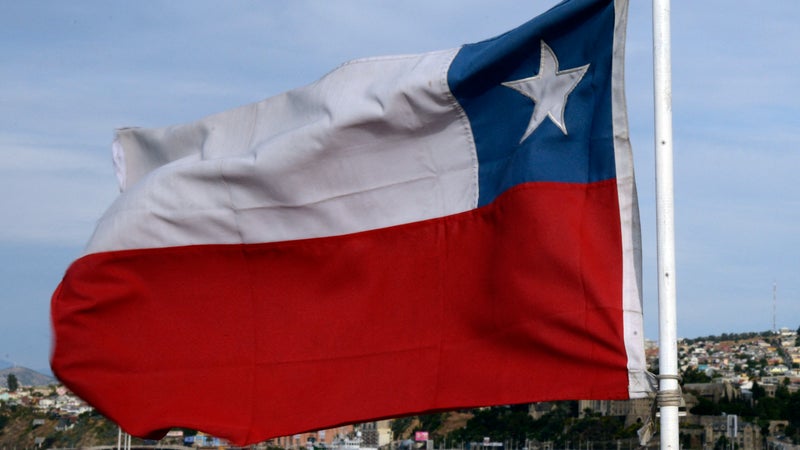
The pension fund considered the safest in Chile has recorded losses worth several million dollars. And, like thousands of retirees, Magaly Valencia discovered, a few days ago, that her pension had been reduced dramatically, because of a failed financial bet. In Chile, one tenth of each worker's salary is paid into a personal account managed by a pension fund administrator (AFP), who invests this capital in the financial markets.
Magaly Valencia placed her money in fund E, the least risky of the five available, like 761,000 Chileans, including 69,000 over 60, already retired or about to retire.
It was this fund that was hit the most: it fell by 10.4% on average between January and September. The AFPs placed some of the funds in contracts that would have been beneficial if U.S. interest rates fell. But they have increased.
"It's a total disappointment because we were lied to. We were always told that it was the safest fund," laments this 70-year-old woman, who lives with her husband in Santiago, in a middle-class neighborhood. Since Magaly Valencia retired, her pension is recalculated every year based on her account balance and her funds, she says, have decreased by almost 10 times.
000 dollars since the beginning of the year. A model created in the 1980s The AFP model was created in Chile in 1981, during the dictatorship of General Augusto Pinochet (1973-1990). Individual private accounts then replaced an old public pay-as-you-go system, under which workers financed pensions.
Currently, private pension funds have more than 12.2 million members. After 40 years of work, Valencia went from a monthly salary of around $2,000 to an income of $750.
This amount includes what his AFP pays him and the guaranteed universal pension, introduced by the government in 2022 to supplement the income of the majority of retirees. “We prepare to retire without debt, thinking that the money will be enough for food and medicine. But no one thinks that when we retire, all the illnesses arrive,” she confides.
Although she has taken out health insurance, she still has to pay for heavy medical expenses. Breast cancer, diagnosed shortly after her retirement, forced her to pay around $7,000 for emergency surgery.
And, suffering from osteoarthritis, she must now undergo another procedure which could cost her $10,000. “I used to like cupcakes or going somewhere to eat, even if it cost money.
"It's all over," she regrets. The collapse of the E fund sparked criticism from across the political spectrum, as well as investigations by the sector regulator and a parliamentary commission into a possible failure by the AFP in their duty of care. In September, these contracts showed a loss of $10 billion, according to the Directorate General of Pensions.
Machine-translated from French
Not cross-checked yet
Only BFM Business reports this story so far. We show it as a single source until another newsroom confirms it.
- BFM Business31 Oct, 11:29
| Publisher BFM Business (established tier) | +76 |
| Checkable figures cited | +3 |
| Detailed summary | +2 |
| Total | 81 |
Method: reports are grouped by the words of their headline and summary; each newsroom counts once; figures are read from the reports as published. Nothing here is written by an AI.