The Strait of Hormuz closure has cost Europe an extra $142 billion for the same energy it was already buying
Ursula von der Leyen told a Brussels startup summit importing oil and gas means importing “the shocks and crises that come with them."
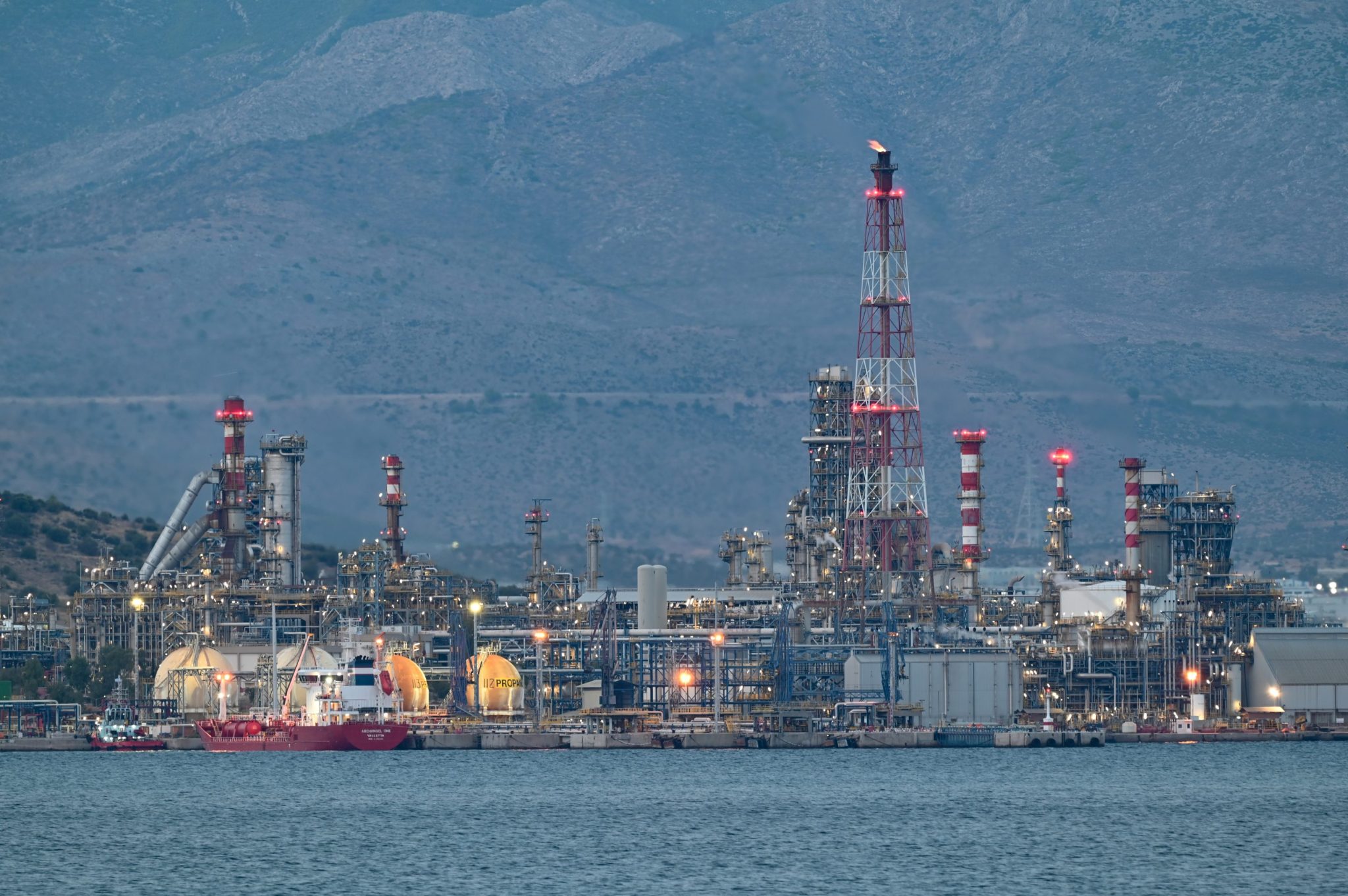
Four years after Russia’s invasion of Ukraine forced Europe to scramble for new energy suppliers, the bloc is in another fuel crisis. European Commission President Ursula von der Leyen said this week Europe has paid an extra €127 billion (a little over $142 billion) for imported oil and gas since the effective closure of the Strait of Hormuz, and it has received no additional energy in return for it.
“Since the closure of the Strait of Hormuz, imported fossil fuels cost Europe an additional €127 billion without a single molecule of energy in addition,” von der Leyen said in a keynote at the WinWin Brussels Summit.
In April, about seven weeks into the war, the Commission put the extra cost at €24 billion (about $27 billion). By late September, EU energy commissioner Dan Jørgensen said it had passed €100 billion (about $111 billion), similarly echoing our ninth-grade science class building and saying that the bloc hadn’t received “one extra molecule of gas or oil.”
“When we import oil and gas, we risk importing the shocks and crises that come with them,” von der Leyen said at the keynote.
After Russia invaded Ukraine in 2022, Moscow cut gas flows to the EU to a trickle, and governments scrambled to fill storage at record prices , with the bloc eventually vowing to wean itself off Russian energy. As a result, Russia’s share of EU gas imports fell from about 45% before the invasion to about 13% in 2025. In January, EU members adopted a ban ending Russian liquefied natural gas (LNG) imports by the end of this year and pipeline gas by autumn 2027.
But Europe largely replaced Russian gas with other imports, much of it LNG shipped from the U.S. and the Middle East. When the Iran war began, the EU still got 57% of its energy from imported fossil fuels .
The war then shut the Strait of Hormuz, the waterway that carried about one-fifth of the world’s traded oil. Tanker traffic through the strait nearly stopped . After a cold winter, EU gas storage stood at just 28.4% in late March, below the five-year average. The Persian Gulf also supplied more than 40% of Europe’s jet fuel and diesel imports.
Within weeks, Jørgensen asked member states to consider “voluntary demand-saving measures”, especially in transport. The International Energy Agency’s plan to cut oil use included car-free Sundays, a rationing tactic from the 1970s oil crisis.
By September, drivers in some EU countries were paying nearly 50% more at the pump, or more than $11 a gallon. In Italy, a weeklong truckers’ strike over diesel prices halted deliveries of milk to mozzarella makers, and as Italian inflation hit 5.4%. EU officials expect oil and gas prices to stay above prewar levels until at least the end of 2027 .
Not cross-checked yet
Only Fortune reports this story so far. We show it as a single source until another newsroom confirms it.
- Fortune3 Nov, 20:55
| Publisher Fortune (established tier) | +76 |
| Detailed summary | +2 |
| Total | 78 |
Method: reports are grouped by the words of their headline and summary; each newsroom counts once; figures are read from the reports as published. Nothing here is written by an AI.