Public Control for a Purposeful Economy
As more governments recognize the need for greater public control over economic outcomes, they must be careful to define the concept well. What ultimately matters is not ownership, but the state’s capacity to steer…
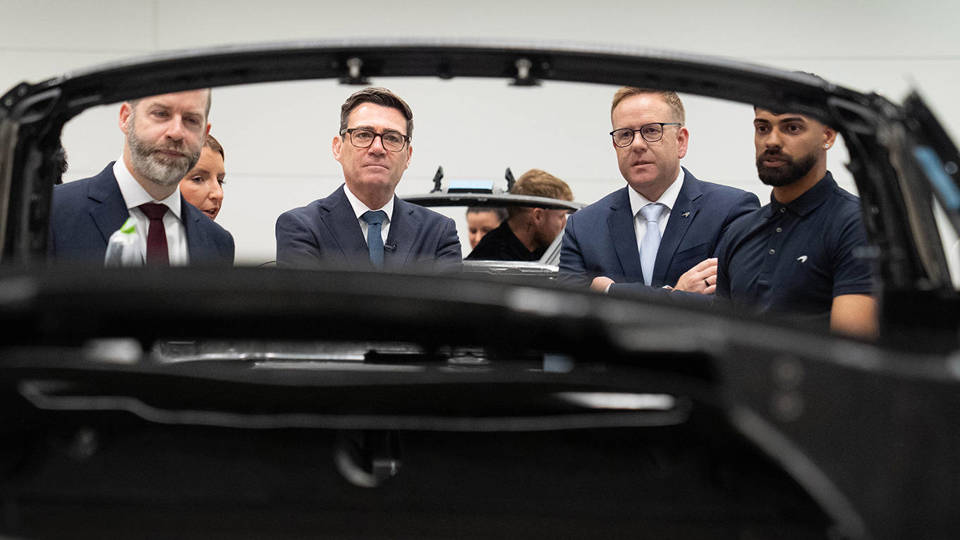
Stefan Rousseau/WPA/Pool/Getty Images Public Control for a Purposeful Economy Oct 26, 2026 Mariana Mazzucato and Anna Hope Emerson As more governments recognize the need for greater public control over economic outcomes, they must be careful to define the concept well. What ultimately matters is not ownership, but the state’s capacity to steer economic activity toward strategic objectives in the service of the common good.
LONDON—Governments around the world say they have no room to act. Although inequality and the cost of living are rising, fiscal space, we are told, is tight. Yet in many cases, the squeeze is self-imposed. It follows from equating fiscal responsibility with cutting deficits and debt, rather than with building an economy’s capacity to grow, withstand shocks, and meet its obligations over time. In fact, cutting spending in a weak economy can leave the debt-to-GDP ratio higher, not lower; and when fiscal rules bite, public investment is often the first thing cut.
Not cross-checked yet
Only Project Syndicate reports this story so far. We show it as a single source until another newsroom confirms it.
- Project Syndicate26 Oct, 15:10
| Publisher Project Syndicate (reference tier) | +82 |
| Detailed summary | +2 |
| Total | 84 |
Method: reports are grouped by the words of their headline and summary; each newsroom counts once; figures are read from the reports as published. Nothing here is written by an AI.