The government wants to raise the minimum wage to €1,500 net
The executive brings together unions and business groups at Matignon to detail its levers for increasing the minimum wage, amid pressure from social demands and budgetary constraints.
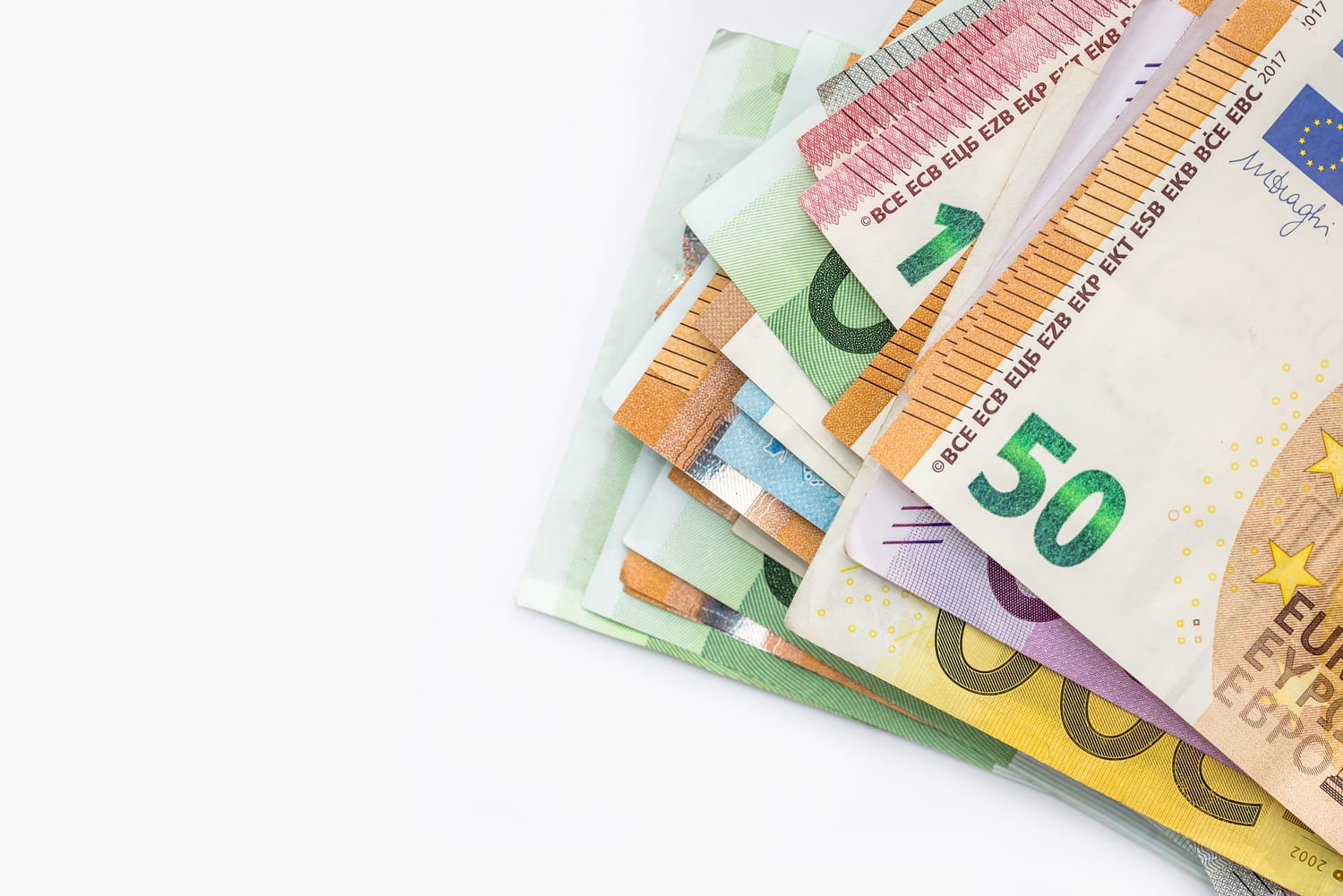
The government wants to increase the minimum wage to 1,500 euros net. This measure, which aims to respond to the social crisis and pressure from unions, will be at the heart of the social conference organized on Monday November 9 in Matignon. Currently, the minimum wage is nearly 1,478 euros net. The objective stated by the executive is therefore to achieve an increase of 22 euros per month for employees at the bottom of the scale.
Two levers to reach 1,500 euros net
To achieve this amount, the government is relying on two mechanisms. First, the mechanical increase in the minimum wage linked to inflation, traditionally planned for January, will be brought forward to December. This revaluation should be around 1%. This adds to the previous increase of 2.4% which occurred last June. With inflation reaching 3.4% over one year in October, this measure will free up around fifteen additional euros for the employees concerned.
But this mechanical increase is not enough to reach the symbolic threshold of 1,500 euros net. To close the gap, the government will activate a second lever: an additional boost, at its discretion, of between 0.5 and 0.6%.
This announcement is not enough for the unions. The CFDT is demanding an additional increase of 100 euros, compared to 150 for the CGT. For its part, employers are opposed to the increase in the minimum wage, the cost of which is passed on to businesses. Employers claim that a minimum wage that is too high would prevent them from hiring. This could therefore weigh on employment.
Beyond the increase in the minimum wage, the government intends to act on professional sectors whose conventional minimums are below the minimum wage. Today, out of 179 collective agreements, more than 120 are not aligned with the minimum wage. To put pressure on employers, the Minister of Labor, Jean-Pierre Farandou, has prepared a decree which aims to deprive or reduce public aid to sectors which do not want to negotiate. According to number 1 of Force Ouvrière, "with this text, the government could say to employers: you increase wages, otherwise there will be no public aid."
Civil service and social benefits also affected
The private sector is not the only one affected by the social conference. The government will also meet with public officials, who are also faced with a question of purchasing power. Civil servants are demanding the thawing of the index point, which determines their salary and remuneration. France has 5 million civil servants: the slightest thaw therefore has an impact on public finances, in a context of zero budgetary room for maneuver.
Machine-translated from French
Not cross-checked yet
Only Journal du Net reports this story so far. We show it as a single source until another newsroom confirms it.
- Journal du Net9 Nov, 11:01
| Publisher Journal du Net (general tier) | +72 |
| Detailed summary | +2 |
| Total | 74 |
Method: reports are grouped by the words of their headline and summary; each newsroom counts once; figures are read from the reports as published. Nothing here is written by an AI.