Energy sites affected, tourism and real estate at half mast... The war in the Middle East cost the Gulf countries $790 billion, which suffered $200 billion in damage
“The total cost of the war for the Gulf countries is expected to reach $790 billion, a cumulative deficit of 5.9% of GDP compared to the pre-war trend through 2030,” a report from AllianzTrade said.
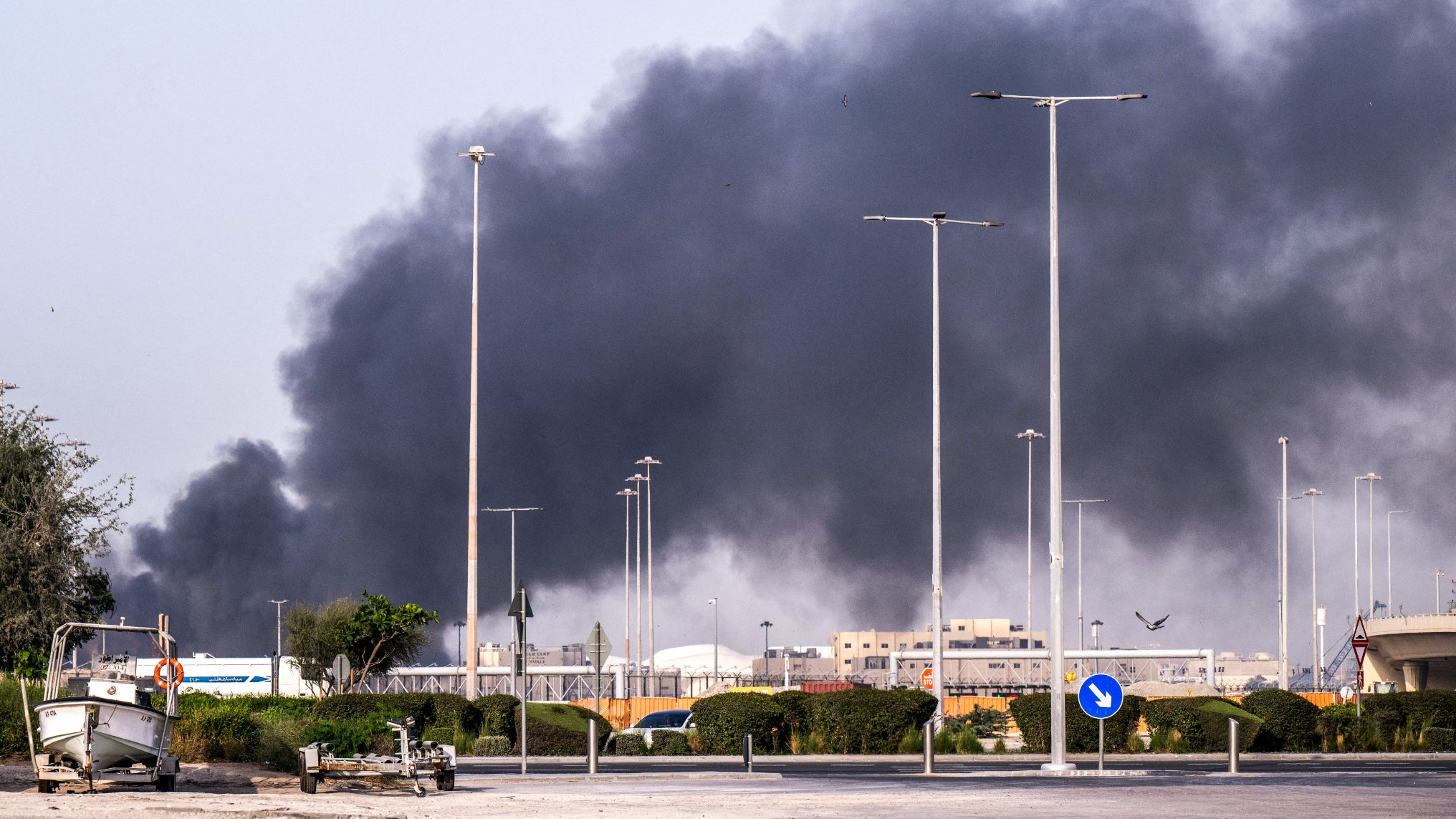
The war between Iran and the United States has caused around 200 billion dollars (around 180 billion euros) of damage in the Gulf countries, where economic losses could reach an amount four times higher by 2030, according to a report from AllianzTrade published this Wednesday, November 11. At the end of February, the United States and Israel launched a campaign of strikes against Iran, which responded by blocking the Strait of Hormuz and targeting its neighbors allied with Washington, particularly in the Gulf. American bases in the region and civilian infrastructure have been damaged, particularly with the entry into war of Yemen's pro-Iranian Houthis in July.
More than 80 energy installations affected They exchange strikes almost daily with their Saudi neighbor who, at the head of a military coalition, supports the Yemeni government. The Houthis regularly claim strikes against Riyadh airport and oil installations. “Material damage across the region is estimated at just over $200 billion, mainly concentrated in economies dependent on the Strait of Hormuz, particularly to energy infrastructure,” the report said.
More than 80 energy facilities were affected by the war, mainly in Kuwait, Qatar and Bahrain, and a third of them were "severely damaged". The report covers the six member countries of the Gulf Cooperation Council (GCC): Saudi Arabia, Oman, Qatar, Bahrain, United Arab Emirates and Kuwait. The war has also impacted tourism and real estate, which will experience slower growth in the coming years.
“The total cost of the war for the Gulf countries is expected to reach $790 billion, a cumulative deficit of 5.9% of GDP compared to the pre-war trend through 2030,” the report said. This figure “reflects the cumulative loss of economic production over the period 2026-2030, that is to say the difference between what the region should have produced according to its pre-war growth trend and what it should now produce”. To compensate for these losses, the Gulf States should "increase national spending, as government priorities have shifted away from megaprojects to focus on resilience and security-related issues", points out the report which also warns of an explosion in the debt of these countries.
National infrastructure and defense spending is expected to reach between $380 billion and $400 billion by 2030, the report said. The GDP of Saudi Arabia, one of the world's largest oil producers, is expected to contract by 3.3% according to the IMF, five points less than the July forecast. Despite the war and restricted access to the Bab el-Mandeb Strait due to Houthi attacks, the Saudi oil giant Aramco announced in early November a 34.6% increase in its in the third quarter.
Machine-translated from French
Not cross-checked yet
Only BFM Business reports this story so far. We show it as a single source until another newsroom confirms it.
- BFM Business11 Nov, 11:52
| Publisher BFM Business (established tier) | +76 |
| Checkable figures cited | +3 |
| Detailed summary | +2 |
| Total | 81 |
Method: reports are grouped by the words of their headline and summary; each newsroom counts once; figures are read from the reports as published. Nothing here is written by an AI.