Options traders are seizing control of the S&P 500
There’s a reason the index hasn’t moved much since June, according to a team at UBS.
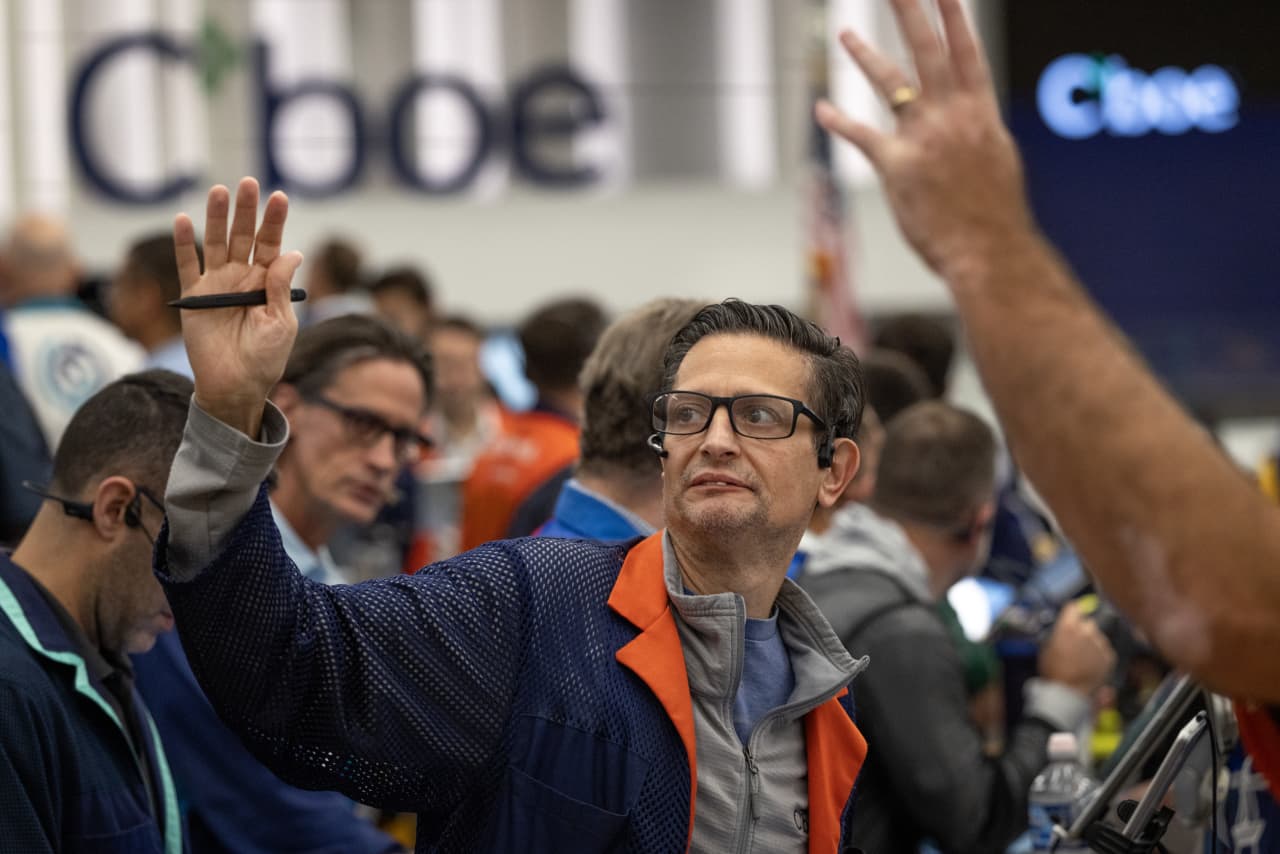
In the weeks that followed the June roll‑up of the S&P 500, the index has largely remained within a narrow corridor, despite the succession of corporate earnings seasons and continued uncertainty about the pace of U.S. monetary tightening. The quieting of the benchmark is not merely a quiet slide, but the result of a systematic shift in the way that sophisticated options traders are engineering exposure to the index. Through the creation of highly structured options walls and the timing of large liquidations, they have begun to shape the fundamental price path of the S&P 500 itself.
At the heart of this change are what analysts describe as “options sandwiches”: layered iron condors that lock in a narrow range of upside and downside risk while simultaneously establishing large delta‑neutral positions. These structures push the index toward a set of predetermined price points. When a wide network of institutional investors—hedge funds, proprietary traders, and large pension assets—align around these walls, their aggregated trades influence the underlying futures market in a way that can suppress broader market movements. The result is a self‑reinforcing loop: the options market nudges the index, and the index’s new levels provide fresh support for further option construction.
A recent synthesis from a team at UBS points out that the scale of this effect increased sharply after the first half of the year. UBS analysts note that the volume of options liquidated at June expiry was 40% higher than the same period a year earlier, while the net delta of the trade book shifted to a neutral bias. The team argues that such a configuration reduces the incentive for the market to chase tops or bottoms, driving the index into a protracted period of equilibrium. This behaviour mirrors similar patterns seen in the currency markets, where options‑hedging flows can ratchet down volatility and create a “price floor” for the underlying asset.
The implications for investors and traders are wide‑ranging. Pairs‑trading desks that rely on directional bets find that the classic arbitrage opportunity is muted when the underlying lingers near the equilibrium points established by the options wall. Asset managers recalibrate their hedging strategies, recognising that a sudden surge in implied volatility could snap the market out of the range, a move that would unbalance their current positions. Moreover, the passive managers who benchmark to the index must pay attention to the potential for a sharp shift should the options market break its own constraints, as this would cascade into significant re‑allocations across ETFs and mutual funds.
What this means for the broader economy is that the stability of the U.S. equity market can change abruptly if the factors that sustain the options‑derived equilibrium are disturbed. An unexpected spike in inflation data, a change in Fed policy, or a sudden loss of confidence in corporate fundamentals could trigger a jump in the VIX and a forced liquidation of the option positions. The sharpest swings are likely to come at major expiry dates—regular monthly expiries, 3‑month quarterly junctures, or the critical August and December windows—when the accumulation of positions synchs up and liquidity dries slightly.
Not cross-checked yet
Only MarketWatch reports this story so far. We show it as a single source until another newsroom confirms it.
- MarketWatch26 Oct, 23:03
| Publisher MarketWatch (reference tier) | +82 |
| Total | 82 |
Method: reports are grouped by the words of their headline and summary; each newsroom counts once; figures are read from the reports as published. Nothing here is written by an AI.