PepsiCo started losing the cola wars when its CEOs lost focus
Also: All the news and watercooler chat from Fortune.
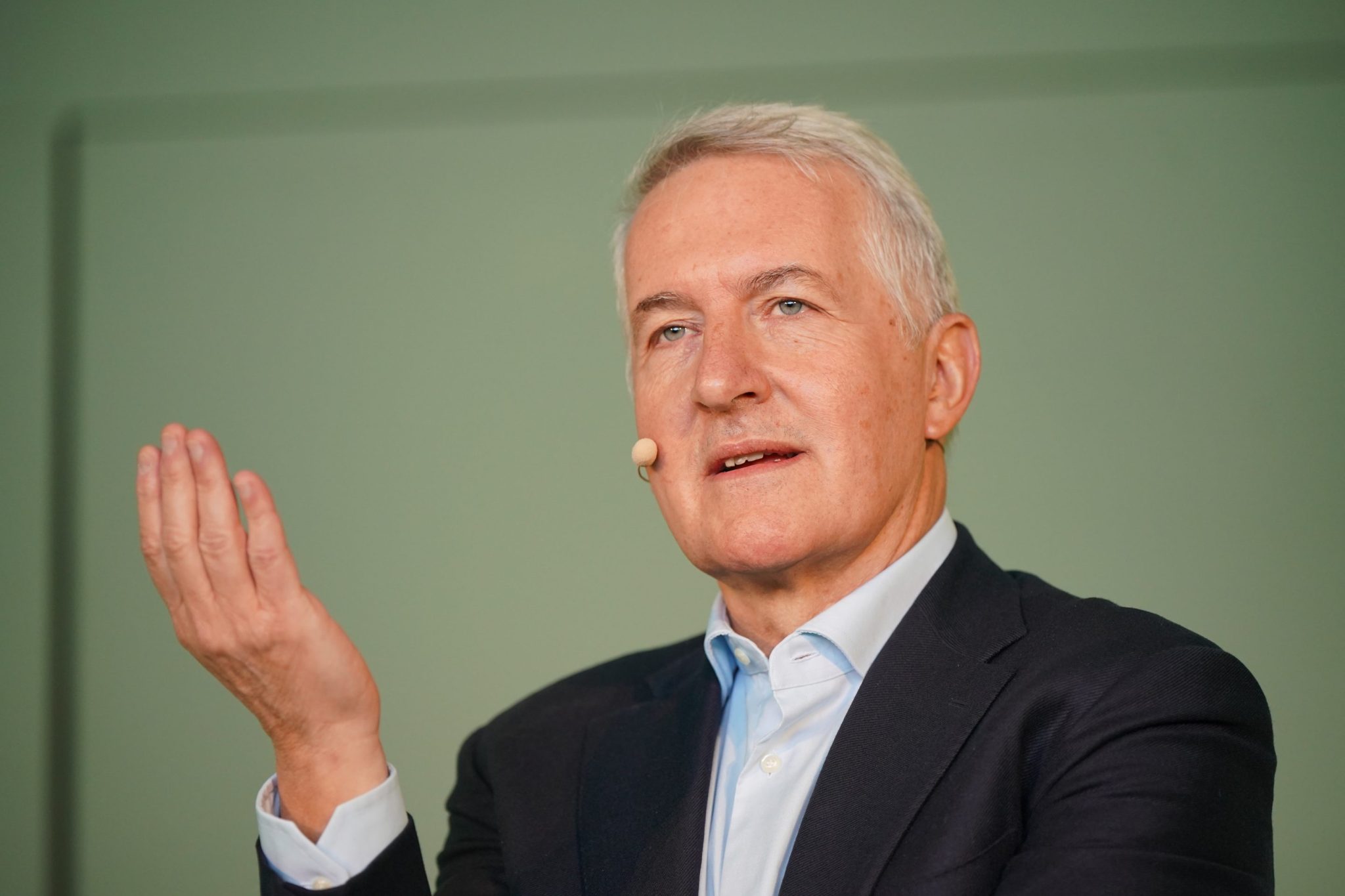
Good morning. PepsiCo CEO Ramon Laguarta knows that he has a cola problem. He said “we’re not competing well in soft drinks” on his third-quarter earnings call. And last week KFC said it will switch to Coca-Cola products at its 3,700 U.S. restaurants, ending a 40-year partnership. As my colleague Phil Wahba writes , “Pepsi has suffered many setbacks in recent years, but perhaps few were as symbolic as being jilted by a long-time partner it used to own, KFC.” (Taco Bell and PepsiCo did renew their U.S. deal for 11 more years.)
Why is PepsiCo’s beverage division struggling? I’d start with the decisions of Steve Reinemund, who ran PepsiCo from 2001 to 2006. Although he broadened the portfolio through the 2001 merger with Quaker Oats, which gave it Gatorade, he also created a less flexible distribution structure and added more complexity to the business. As PepsiCo leaders shifted to talking about crop yields and health trends, Coca-Cola moved in and struck a deal in 2003 to displace Pepsi at Subway, its largest fountain customer, business that Pepsi won back last year.
His successor, Indra Nooyi, continued the trend, dividing the company’s portfolio into “Fun for You” (fatty, sugary foods), “Better for You” (lower-calorie or lower-fat versions), and “Good for You” (nutritious foods like oatmeal and hummus). In an era when cities were trying to ban big sugary drinks or impose a vice tax that put cola in the same camp as tobacco, attention to soda further waned.
Meanwhile, Coca-Cola was shedding its low-margin bottling plants and focusing on building a “ total beverage company ” that resulted in 32 billion-dollar brands . PepsiCo has fewer billion-dollar brands but a lot more stuff, generating more than twice as much revenue as Coca-Cola with a market cap that’s about half as big.
Are there advantages for PepsiCo in being a diversified conglomerate versus a pure-play beverage brand? No doubt, especially as trends like GLP-1 use increase demand for healthier foods. The brown fizzy drink that spawned these two competitors is a small part of the overall beverage market. And PepsiCo remains a powerhouse of innovation, marketing and talent . What’s slipped since the heyday of the cola wars is focus. Contact CEO Daily via Diane Brady at diane.brady@fortune.com
Scott Kirby caused a stir last week when he said the U.S. should have a national wealth tax, but the United Airlines CEO also offered another idea for national service . “I think if everyone had to spend a couple of years as a teacher, as a firefighter, serving in the military—I think that’d be good for our country.”
Michael Buckley is courting Gen Z and millennials with more affordable clothing, music partnerships, and in-store experiences, while letting go of something the brand once prided itself on: setting trends. “We like to be first to be second,” he said. The idea is to catch a trend once it’s proven rather than start it, and give customers what they want “at the price they want.”
Not cross-checked yet
Only Fortune reports this story so far. We show it as a single source until another newsroom confirms it.
- Fortune26 Oct, 10:37
| Publisher Fortune (established tier) | +76 |
| Total | 76 |
Method: reports are grouped by the words of their headline and summary; each newsroom counts once; figures are read from the reports as published. Nothing here is written by an AI.